
Leaving appliances plugged in all the time can increase your energy bills and pose safety risks, especially from power surges or faulty wiring. Devices like chargers, toasters, and space heaters are better unplugged when not in use to prevent overheating or fires. However, appliances like refrigerators and security systems are designed for continuous power and are safe to leave plugged in. To discover key safety tips and when to unplug, keep exploring these important considerations.
Key Takeaways
- Unplugging unused devices reduces energy waste and lowers electricity bills by preventing phantom power consumption.
- Leaving appliances like refrigerators and security systems plugged in is safe and necessary for proper function.
- Unplugging devices during storms minimizes the risk of damage from power surges and electrical faults.
- Using surge protectors adds safety and protects sensitive electronics from voltage spikes.
- Regular inspections and proper safety measures help prevent fire hazards caused by damaged cords or overheating appliances.
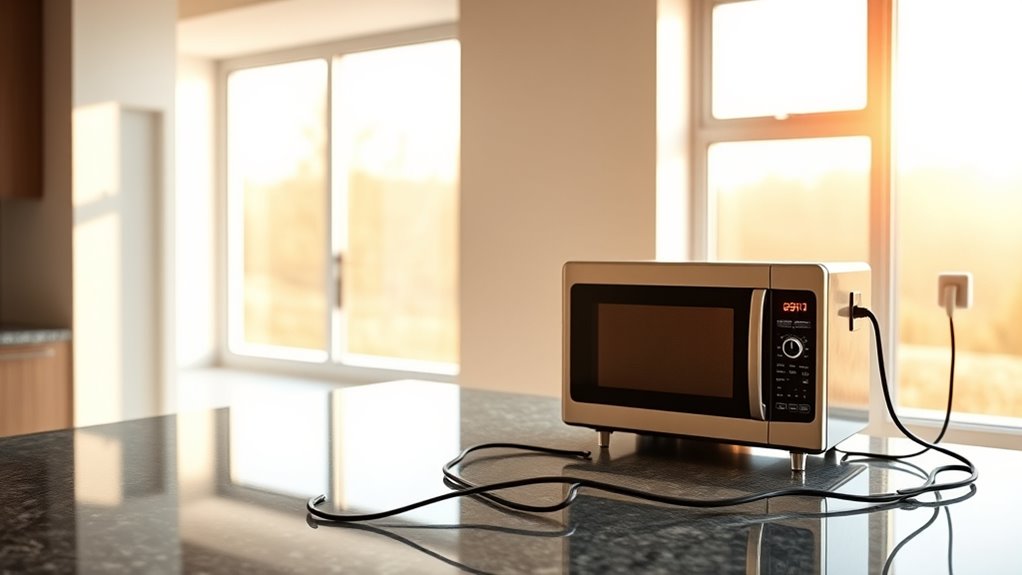
Many people leave appliances plugged in even when they’re not in use, not realizing it can waste energy and pose safety risks. This habit might seem harmless, but it can have significant consequences over time. One key concern is energy consumption. Even when appliances are turned off, many still draw power, which adds up on your electricity bill. This “phantom” energy drain, sometimes called standby power, can account for up to 10% of your household energy use. By unplugging devices you aren’t actively using, you cut down on unnecessary electricity use, saving money and reducing your environmental impact.
Unplug unused appliances to save energy and reduce your environmental impact.
Beyond wasting energy, leaving appliances plugged in can also expose you to power surge risks. Power surges happen when there’s a sudden spike in voltage, often caused by lightning strikes or electrical grid fluctuations. When appliances are plugged in, especially those with sensitive electronics like computers or TVs, they become vulnerable to damage from these surges. If your appliances aren’t protected with surge protectors, a sudden voltage spike could fry their internal components, leading to costly repairs or replacements. Unplugging devices during storms or when they’re not needed can provide a layer of protection, preventing potential fire hazards and prolonging the lifespan of your appliances.
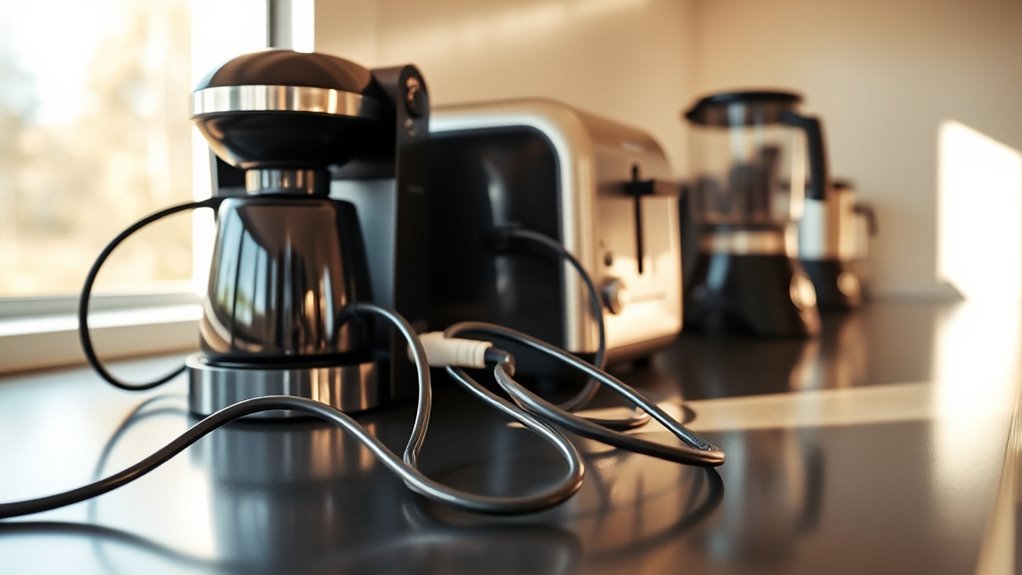
Safety is another critical concern. Appliances left plugged in can sometimes develop faults or overheating issues without your knowledge. For example, chargers, toasters, or space heaters might malfunction or overheat, increasing the risk of fires. Over time, worn-out cords or damaged plugs can spark, especially if they’re left unattended. Keeping appliances unplugged when unused minimizes this risk, ensuring that a small electrical fault doesn’t turn into a dangerous fire. Additionally, using proper safety measures like surge protectors or regular inspections can further reduce these risks.
However, some appliances are designed to be plugged in continuously, such as refrigerators or security systems. These devices are built with safety features that make leaving them plugged in safe and necessary. But for items like chargers, lamps, or kitchen gadgets, it’s best to unplug them when not in use. Doing so not only reduces energy consumption but also minimizes the chance of electrical faults or fire hazards.

6Ft Power Strip Surge Protector – Yintar Extension Cord with 6 AC Outlets and 3 USB Ports for for Home, Office, Dorm Essentials, 1680 Joules, ETL Listed, (Black)
Power Strip with 6 Outlets & 3USB Ports: 6 AC Surge protector outlets(1680 Joules) including 1 Widely Spaced…
As an affiliate, we earn on qualifying purchases.
As an affiliate, we earn on qualifying purchases.
Frequently Asked Questions
Do Modern Appliances Pose Less Fire Risk When Plugged in Constantly?
Modern appliances generally pose less fire risk when plugged in constantly because of improved appliance design and stricter safety standards. Manufacturers now incorporate advanced safety features that help prevent overheating and electrical faults. However, it’s still wise to unplug devices when not in use, especially those with older designs or visible damage. Staying cautious guarantees safety and preserves energy, even with appliances built to higher safety standards.
Can Leaving Appliances Plugged in Increase Electricity Bills Significantly?
Leaving appliances plugged in can increase your energy bills by up to 10%, mainly due to standby power, which accounts for about 5-10% of household energy consumption. While it might seem minor, over time, this extra energy use adds up. If you want to save money, unplug devices when not in use, especially those with high standby power. It’s an easy way to reduce unnecessary energy consumption and cut costs.
Are There Specific Appliances More Dangerous to Leave Plugged In?
Some appliances pose higher appliance risks when left plugged in, like space heaters, toasters, or older electronics, because they can overheat or short-circuit. Danger factors include potential fire hazards and electrical surges. You should unplug devices when not in use, especially those with exposed heating elements or that generate heat, to minimize these risks. Always follow safety guidelines to prevent accidents and reduce unnecessary energy consumption.
How Can I Tell if an Appliance Is Still Consuming Power When Plugged In?
You can tell if an appliance is still consuming power by checking for standby power indicators, like small LED lights or displays that stay lit even when it’s off. Some appliances draw energy consumption in standby mode, which is called standby power. To reduce this, unplug devices you aren’t using regularly, or use smart power strips that cut off power when not needed. This helps save energy and decrease unnecessary standby power use.
What Safety Features Help Prevent Fires From Plugged-In Appliances?
Ironically, safety features like ground fault circuit interrupters (GFCIs) and fuse protection are your best defenses against fires from plugged-in appliances. GFCIs detect leaks of current that could cause shocks or fires, shutting off power instantly. Fuses blow when there’s a surge, preventing overheating. These devices act as vigilant guardians, ensuring your appliances don’t turn into silent fire hazards while you go about your day.
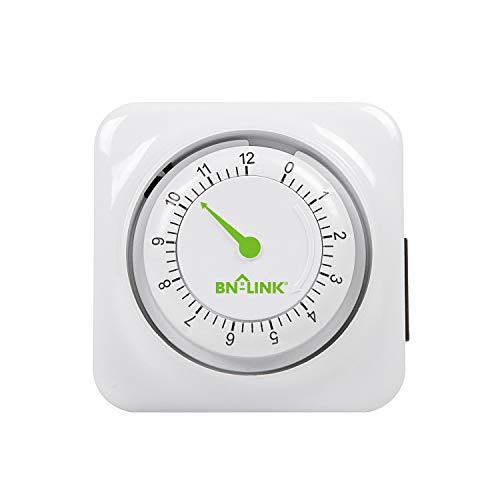
BN-LINK 12 Hour Indoor Mechanical Accurate Countdown Timer, 3-Prong Grounded Outlet, 15 Minute Increments, Energy Saving for Kitchen, Phone Charger, Lamps, Holiday Decoration 1875W, 1/2 HP, ETL Listed
✓ SIMPLE AND EASY TURN-DIAL OPERATION: Simply turn the dial to start the countdown. Timer will automatically turn…
As an affiliate, we earn on qualifying purchases.
As an affiliate, we earn on qualifying purchases.
Conclusion
Leaving appliances plugged in all the time might seem harmless, but it’s like inviting tiny electrical gremlins to throw a never-ending party in your home. Over time, this constant connection can turn your house into a potential fire hazard, draining your energy and wallet faster than you can blink. So, don’t let your appliances become silent saboteurs—unplug them when not in use, and keep your home safe and energy-efficient, before disaster strikes when you least expect it.

Cord Hider Wall for 1-2 Cables, 78" Self Adhesive Silicone Cord Covers for Wires On Wall, Flexible Wire Covers for Cords On Wall, Cable Cover Raceway for Home, Office, White (0.6" W x 0.47" H)
【One-Side Snap Opening】Upgraded with a convenient single-side opening, our wire covers for cords on wall let you add…
As an affiliate, we earn on qualifying purchases.
As an affiliate, we earn on qualifying purchases.

Power Strip, ALESTOR Surge Protector with 12 Outlets and 4 USB Ports, 6 Feet Extension Cord, 2700 Joules, ETL Listed, Black
★Multi Function Power Strip: Power strip surge protector with 12AC outlets & 4 USB charging ports, 6-foot Heavy…
As an affiliate, we earn on qualifying purchases.
As an affiliate, we earn on qualifying purchases.