You should never buy a used refrigerator because it can pose serious safety, health, and reliability risks. Over time, seals wear out, mold and bacteria can build up, and electrical components may become faulty, increasing the chance of fires or shocks. Older units often lack warranties and may have hidden problems that lead to costly repairs. Staying informed about these issues can help you make a safer choice, so keep exploring to learn more.

Get kitchen staples and gadgets delivered free — and shop member deals
- Fast, free delivery on millions of items
- Access to Prime Big Deal Days deals on October 6–7
- Prime Video, Amazon Music and more included
Key Takeaways
- Used refrigerators often have worn seals and internal components, leading to inefficient cooling and potential food spoilage.
- Older units may contain hazardous refrigerants and faulty wiring, increasing fire and health risks.
- They usually lack warranties, making repairs costly and unpredictable after purchase.
- Mold, bacteria, and other hazards accumulate over time, posing health threats to your family.
- Buying new appliances ensures safety, energy efficiency, and manufacturer support, reducing long-term costs.
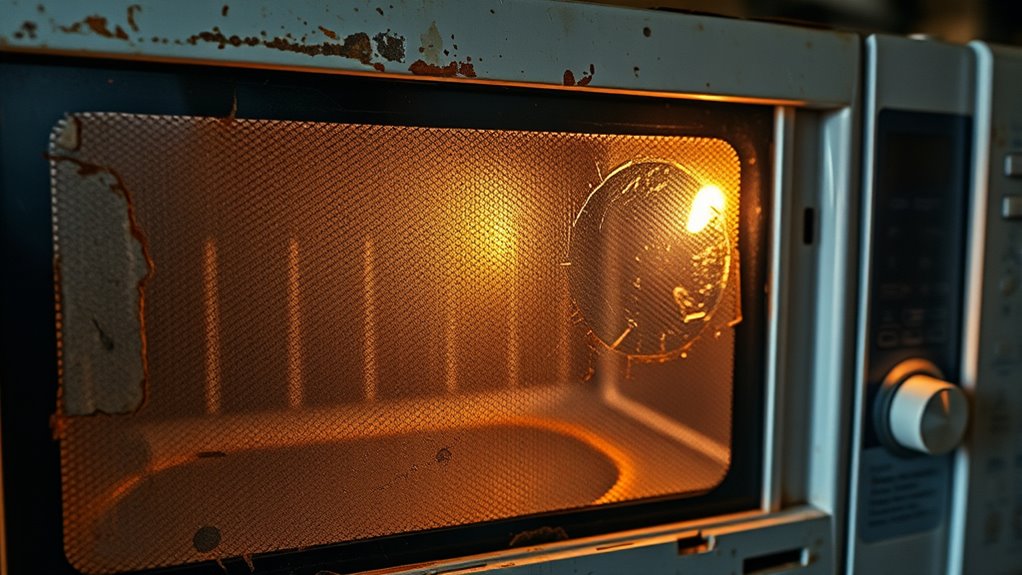
When it comes to buying appliances secondhand, some items are better left on the shelf. The one appliance you should steer clear of is the refrigerator. While it might seem like a good deal to pick up a used fridge, the risks outweigh the savings. Refrigerators are complex appliances with many moving parts, and they play an essential role in keeping your food safe. If you buy one used, you risk encountering significant safety concerns, especially related to mold, bacteria, and electrical issues. Older units may harbor mold or bacteria that are hard to eliminate, posing health risks for your family. Plus, if the refrigerator’s seals are worn out, it can lead to inefficient cooling, which increases energy bills and puts your food at risk of spoilage.
Another major issue with secondhand refrigerators is warranty concerns. Most used appliances no longer come with a warranty or guarantee of performance. If the unit breaks down shortly after purchase, you’re left footing the repair or replacement costs. Unlike new appliances that come with manufacturer warranties, used ones rarely offer any coverage, making repairs costly and unpredictable. You might be tempted to buy from a private seller at a lower price, but without a warranty, you’re taking a gamble that could leave you stuck with a lemon. This lack of warranty coverage also means you won’t have the same protection if the refrigerator proves faulty or develops problems related to age or hidden defects.
Safety concerns are particularly significant because refrigerators contain electrical components that can deteriorate over time. Faulty wiring or worn-out parts can cause electrical fires or shocks, especially if the appliance wasn’t properly maintained or tested before resale. Additionally, older refrigerants used in some models are now considered hazardous, and repairing or replacing them can be costly and complex. Buying a used refrigerator often involves assuming these safety risks without knowing the appliance’s history or condition.
Given these risks—safety concerns, potential mold or bacteria buildup, and the lack of warranty coverage—it’s smarter to invest in a new refrigerator. While it might cost more upfront, you’ll gain peace of mind, energy efficiency, and a warranty that protects your investment. Purchasing new ensures the appliance meets modern safety standards and that you won’t be left vulnerable to hidden defects or costly repairs down the line. In this case, the old adage holds true: you often get what you pay for, and with refrigerators, that means opting for new is the safest, smartest choice.
new energy-efficient refrigerator
As an affiliate, we earn on qualifying purchases.
As an affiliate, we earn on qualifying purchases.
Frequently Asked Questions
Can I Disinfect a Used Appliance Effectively Before Use?
Yes, you can disinfect a used appliance effectively before use. Follow proper cleaning protocols by thoroughly washing with soap and water, then apply disinfection techniques like using a solution of bleach and water or commercial disinfectants. Make sure to scrub all surfaces, including hard-to-reach spots, and let the disinfectant sit for the recommended time. Rinse well and dry completely to guarantee it’s safe and hygienic for your use.
How Do Used Appliances Impact Energy Consumption and Efficiency?
Buying used appliances can reduce costs, but they often impact energy efficiency and appliance lifespan. Older models tend to consume more electricity, increasing your utility bills. Over time, worn-out parts may decrease performance, shortening the appliance’s lifespan. You might save upfront, but in the long run, higher energy consumption and frequent repairs can outweigh initial savings. Always weigh these factors before deciding to buy used appliances.
Are There Warranty Options for Used Appliances?
You might find warranty coverage and return policies for used appliances, but they’re often limited or tricky to navigate. Unlike new appliances, used ones usually come with shorter or no warranties, leaving you vulnerable if it breaks down. While some sellers offer limited return policies, it’s not always guaranteed. Think of it like buying a vintage car—you’re risking less peace of mind, but with fewer protections.
What Safety Risks Are Associated With Buying Used Appliances?
When you buy used appliances, you risk electrical hazards and structural damage. Faulty wiring or damaged components can cause shocks or fires, posing serious safety concerns. Structural issues, like weakened frames or compromised parts, might lead to appliance failure or accidents. Always inspect thoroughly or consider professional checks before purchasing to avoid these dangers and guarantee your safety.
How Can I Verify the Repair History of a Used Appliance?
Did you know that checking the repair records can reveal a lot about a used appliance’s service history? To verify it, ask the seller for detailed documentation or contact previous service providers if possible. You can also look for online reviews or records linked to the appliance’s serial number. Knowing its service history helps you avoid hidden issues and guarantees you’re making a smart, safe purchase.
As an affiliate, we earn on qualifying purchases.
Conclusion
Think of buying a used appliance like adopting a dog from a sketchy shelter — you never truly know what’s under the surface. I once bought a used microwave, only to find it sparked and nearly caught fire. That’s why you should never buy a used refrigerator. It’s the heart of your kitchen, and if it’s faulty, it can lead to costly damage and food spoilage. Always invest in new for peace of mind and safety.
best modern refrigerator for safety
As an affiliate, we earn on qualifying purchases.
As an affiliate, we earn on qualifying purchases.
refrigerator mold and bacteria cleaner
As an affiliate, we earn on qualifying purchases.
As an affiliate, we earn on qualifying purchases.
NFL season / tailgating Picks
team gear
As an affiliate, we earn on qualifying purchases.