
Both cast iron and carbon steel are great for daily cooking, offering durability and excellent heat retention. Cast iron heats evenly and holds heat longer, making it perfect for searing and slow-cooking, but it’s heavier and takes more effort to handle. Carbon steel heats up faster, responds quickly to temperature changes, and is lighter, giving you more control. Want to discover which suits your style? Keep exploring for all the details.

Get kitchen staples and gadgets delivered free — and shop member deals
- Fast, free delivery on millions of items
- Access to Prime Big Deal Days deals on October 6–7
- Prime Video, Amazon Music and more included
Key Takeaways
- Carbon steel heats faster and responds more quickly to temperature changes, offering better control for daily tasks.
- Cast iron provides superior heat retention, ideal for consistent searing, frying, and slow-cooking.
- Carbon steel is lighter and easier to handle for frequent lifting or tossing during everyday cooking.
- Both materials develop a natural non-stick surface through proper seasoning, enhancing daily cooking performance.
- Regular maintenance, including drying and oiling, is essential for both to prevent rust and ensure longevity.
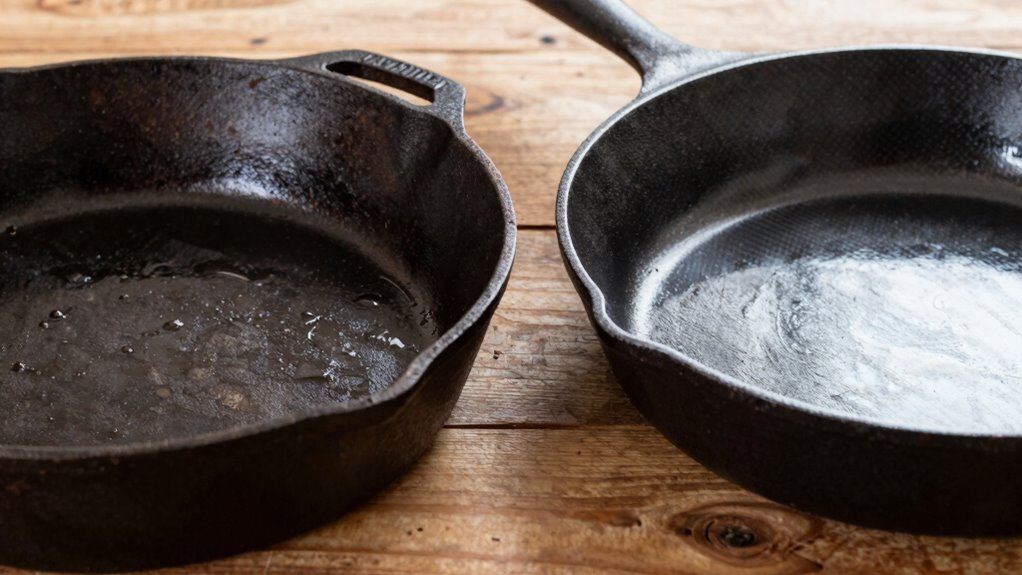
When choosing cookware for daily use, cast iron and carbon steel are two popular options that often come up. Both materials are prized for their durability and performance, but they have distinct characteristics that can influence your cooking routine. If you’re looking for cookware that holds heat well and develops a natural non-stick surface, understanding these differences helps you decide which material suits your needs best.
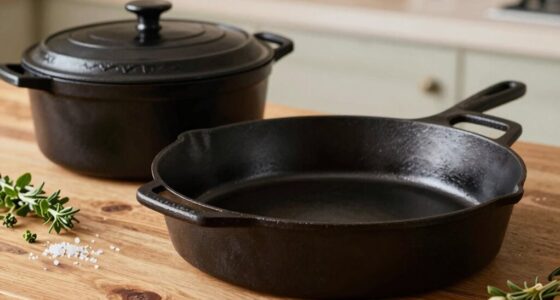
Cast iron is renowned for its exceptional heat retention, making it ideal for searing, frying, and slow-cooking dishes that require steady, even heat. Once heated, it holds onto that heat longer than most other materials, so your food stays hot even after removing it from the stove. To maintain this advantage, seasoning maintenance is essential. Regularly applying a thin layer of oil and cooking with it helps build up a durable, non-stick surface over time, preventing rust and maintaining performance. This process can seem tedious at first, but once established, it’s easy to upkeep and guarantees your pan remains non-stick and rust-free.
Cast iron retains heat exceptionally well, ideal for searing, frying, and slow-cooking. Regular seasoning keeps it non-stick and rust-free.
Carbon steel shares many qualities with cast iron, especially in its heat retention capabilities. It heats up faster and responds more quickly to temperature changes, giving you greater control over your cooking. Its lighter weight makes it easier to handle, especially during frequent daily use. Like cast iron, carbon steel benefits from proper seasoning maintenance. A well-seasoned carbon steel pan develops a smooth, non-stick surface that improves with use, making cooking and cleaning more efficient. Because it heats up rapidly, you’ll notice that it’s more responsive to adjustments, which is a plus when you’re sautéing vegetables or making delicate sauces.
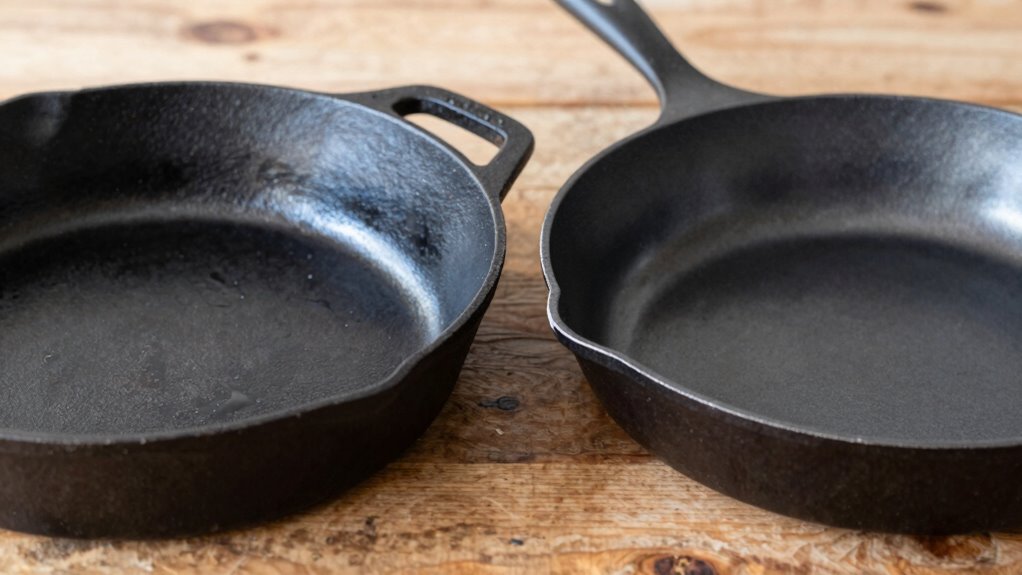
Both types of cookware require regular seasoning to keep their surfaces in top shape. With cast iron, neglecting seasoning can lead to rust and food sticking, diminishing heat retention and making maintenance more difficult. Carbon steel, while slightly more responsive, still needs consistent seasoning to prevent rust and ensure a smooth cooking surface. In regard to care, both materials are quite similar—avoid soaking them in water for long periods, dry them thoroughly, and apply a thin layer of oil after cleaning.
As an affiliate, we earn on qualifying purchases.
Frequently Asked Questions
Which Cookware Is More Eco-Friendly to Produce?
You’ll find that carbon steel cookware generally has a smaller eco footprint than cast iron because its manufacturing impact is lower. It requires less energy to produce, making it more eco-friendly overall. Plus, carbon steel’s lighter weight reduces transportation emissions. If you’re aiming to minimize environmental impact, choosing carbon steel helps you cut down on the manufacturing impact and supports more sustainable cooking options.
How Do They Compare in Terms of Weight?
You’ll find a noticeable weight difference between cast iron and carbon steel cookware. Cast iron is heavy, making handling less easy and more tiring over time. On the other hand, carbon steel is lighter, offering easier handling and maneuvering in the kitchen. Imagine the difference as you lift each—one feels like a weighty anchor, the other like a swift, nimble tool. Your choice affects your cooking comfort and ease of use daily.
Are There Differences in Cost Over Time?
Over time, cast iron tends to be more cost-effective due to its durability and long-lasting nature, which reduces replacement costs. Carbon steel may have a lower initial price but can incur higher maintenance costs if it’s not properly seasoned or maintained, leading to potential replacements. Typically, cast iron’s robustness means you’ll spend less on repairs or replacements, making it a more economical choice for daily cooking in the long run.
Which Material Is Better for Induction Stoves?
You’ll find that carbon steel is better for induction stoves because it heats quickly and responds promptly, like a sports car zooming around a track. While cast iron offers excellent heat retention, it’s less responsive on induction surfaces. Both materials are generally compatible with induction, but carbon steel’s rapid heating makes it ideal for precise control. Keep in mind, neither has true non-stick properties, so use oil to prevent sticking.
How Do They Perform With Acidic Foods?
When cooking acidic foods, cast iron may affect flavor retention over time because its surface can develop surface corrosion, which might leach iron into your dish. Carbon steel handles acidity better, with less risk of surface corrosion, helping maintain authentic flavors. However, both materials require proper seasoning and care to prevent corrosion and preserve their performance. You’ll want to clean and dry them thoroughly after cooking acidic dishes to prolong their lifespan.
As an affiliate, we earn on qualifying purchases.
Conclusion
When choosing between cast iron and carbon steel, consider your cooking style and maintenance preferences. Did you know that cast iron can last for generations if cared for properly? Remarkably, nearly 90% of professional chefs prefer cast iron for its durability and heat retention, but carbon steel offers a lighter, quicker-heating alternative. Whichever you pick, both pans can become trusty kitchen companions that elevate your daily meals for years to come.
As an affiliate, we earn on qualifying purchases.
As an affiliate, we earn on qualifying purchases.
Fall Picks
fall essentials
As an affiliate, we earn on qualifying purchases.