
You should never microwave eggs in shells, whole fruits with skin, or sealed containers, as they can explode or cause burns. Avoid heating meat with bones, hot peppers, or breast milk or baby food in glass jars, as these can splatter or develop dangerous hot spots. Metal items like aluminum foil and certain plastics also pose fire or chemical risks. Knowing these safety tips can help you keep your kitchen accident-free—there’s more to learn about safe microwave use.
Key Takeaways
- Never microwave eggs in shells due to risk of explosion from vapor buildup.
- Avoid microwaving whole fruits with skin to prevent bursting and uneven heating.
- Do not heat sealed containers or airtight jars, as pressure can cause them to explode.
- Keep metal items, including aluminum foil, out of the microwave to prevent sparks and fires.
- Be cautious with hot peppers and bone-in meats, which can cause safety hazards and uneven cooking.
Eggs in Their Shells
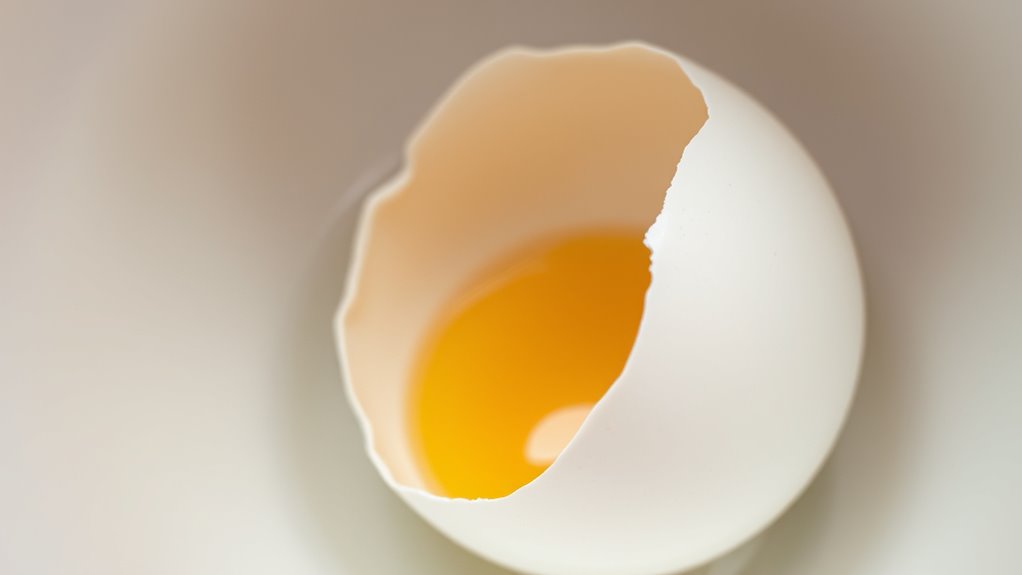
You should never microwave eggs in their shells because the heat causes the interior to rapidly vaporize, leading to a sudden buildup of pressure. As the egg heats, steam forms inside, increasing pressure against the shell. This pressure buildup can cause the shell cracking unexpectedly and forcefully, creating a dangerous mess and potential injury. The rapid expansion of steam can make the shell burst open, sometimes violently. Even if you pierce the shell beforehand, uneven heating can still cause hot spots, risking cracks and explosions. It’s best to avoid microwaving eggs in their shells altogether. Instead, cook eggs outside the shell using safer methods like boiling, scrambling, or frying. This prevents the risk of shell cracking and ensures safe, controlled cooking. Being aware of microwave safety guidelines helps prevent accidents and injuries. Additionally, understanding the properties of eggs can help you choose safer cooking techniques and avoid hazards associated with improper heating, especially since eggs are sensitive to thermal expansion and rapid temperature changes. Recognizing proper cooking methods can further ensure you handle eggs safely in the kitchen. Always follow recommended cooking guidelines to prevent potential dangers.
Whole Fruits With Skin
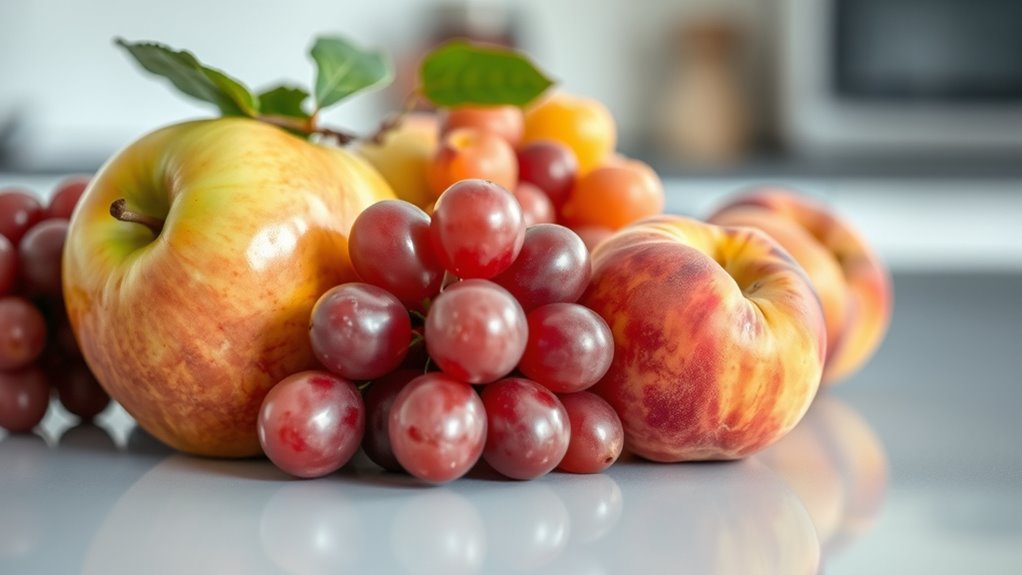
Microwaving whole fruits with skin can cause skin damage from heat buildup and uneven heating that leaves parts undercooked. You might also lose some of the fruit’s nutrients during the process. To enjoy the full flavor and benefits, it’s best to avoid microwaving them whole. Incorporating mindful food preparation practices can help preserve nutrients and ensure safety. Additionally, understanding microwave safety guidelines can prevent accidents and preserve food quality. Being aware of food safety hazards related to improper microwave use can further enhance your safety precautions, especially when handling perishable foods that require careful temperature control.
Skin Damage Risks
While microwaving whole fruits with their skins might seem harmless, it can actually cause skin damage and create safety hazards. The rapid heat buildup can lead to skin irritation if you handle the fruit afterward. In some cases, the fruit’s skin may trap steam, causing it to burst unexpectedly, resulting in burn hazards. Additionally, using appropriate heating methods can help prevent these risks and ensure safe food preparation. Be cautious of these risks: – Skin irritation from hot fruit surfaces – Unexpected steam explosions that cause burns – Damage to your skin when peeling or handling hot fruit Avoid microwaving fruits with skins to prevent these dangers. Instead, opt for safer heating methods to protect your skin and ensure safety during food preparation.
Uneven Heating Concerns
Even though it might seem convenient, microwaving whole fruits with skins often leads to uneven heating. Microwave heat distribution can be inconsistent, causing some areas to overheat while others stay cold. This disrupts temperature regulation, risking burns or cold spots. To visualize this, imagine the fruit divided into sections:
| Cold Spot | Warm Center | Overheated Skin |
|---|---|---|
| Not fully heated | Partially heated | Too hot to touch |
This uneven heat can hide potential hazards, like bacteria or fruit spoilage, and compromise texture. If you microwave whole fruits, you’re unlikely to get uniform warmth, making it unsafe and unappealing. Additionally, thermal expansion can cause the fruit to burst or explode in the microwave, creating a mess and potential safety risks. For safer, more even heating, cut or peel fruits before microwaving.
Nutritional Loss Potential
Heating whole fruits with skin in the microwave can lead to significant loss of nutrients. The intense heat causes nutrient degradation, which reduces the fruit’s overall health benefits. You might notice a decrease in vitamin content, especially vitamins sensitive to heat like vitamin C. This vitamin loss can weaken the fruit’s nutritional value, diminishing antioxidants and essential nutrients.
- Nutrients like vitamin C and folate are particularly vulnerable to microwave heating.
- Skin acts as a barrier, trapping heat and accelerating nutrient degradation inside.
- Overheating can cause texture changes and further diminish vitamin levels.
To preserve maximum nutrition, it’s better to eat fruits raw or gently cooked. Microwaving whole fruits with skin often compromises their vitamin content, making them less nutritious.
Sealed or Airtight Containers
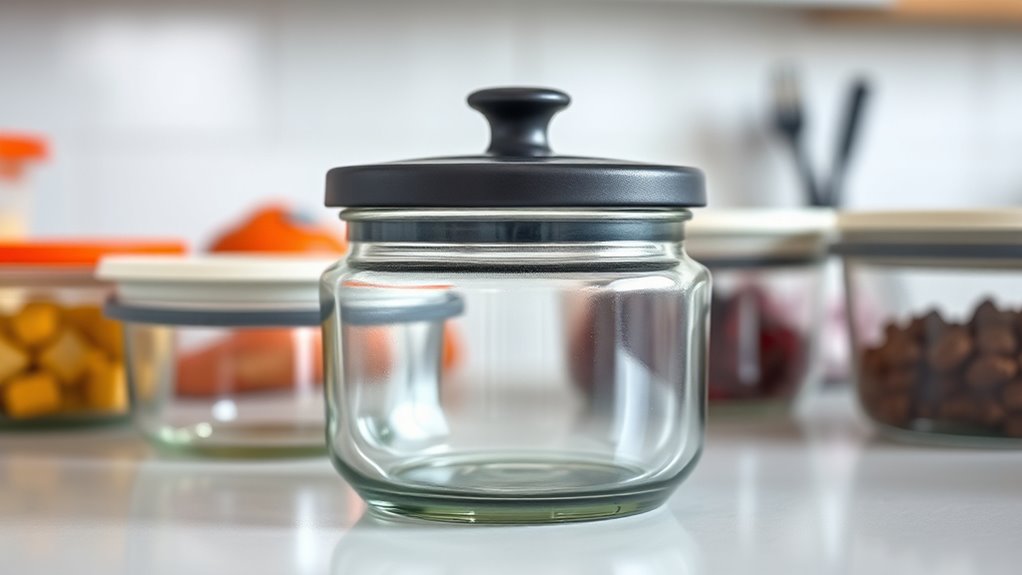
Microwaving sealed or airtight containers can be dangerous because pressure can build up inside, causing them to burst. Make sure the container material is microwave-safe; otherwise, it could melt or release harmful chemicals. If the pressure becomes too great, the container might explode, risking injury or mess. Additionally, proper container material ensures safe microwave use and prevents accidents. Avoid microwaving containers with pressure buildup tendencies, as this increases the risk of accidents. It is also important to consider venting mechanisms that allow steam to escape and reduce pressure buildup during heating. Using containers with pressure release features can help mitigate the risk of explosions. Being aware of safety guidelines can help prevent dangerous situations when microwaving.
Risk of Pressure Buildup
Sealed or airtight containers can be dangerous to microwave because they trap steam as the food heats up. This causes pressure buildup inside the container, increasing the risk of explosion hazards. When pressure becomes too high, the container can burst suddenly, causing hot food and liquids to splatter and potentially cause burns. To avoid accidents:
- Never microwave closed jars or bottles without venting them first.
- Avoid sealing containers tightly before reheating liquids or sauces.
- Use microwave-safe containers with vents or leave lids slightly ajar to release steam.
- Understanding AI-powered safety features in modern appliances can also help prevent such accidents by alerting users to unsafe conditions.
Container Material Compatibility
Using the right container material is essential when microwaving, as not all containers are designed to withstand microwave energy. Look for containers labeled as dishwasher safe, which indicates they can handle heat and water without warping or releasing harmful chemicals. Avoid sealed or airtight containers that aren’t microwave-safe, since pressure can build up and cause leaks or explosions. Check for dishwasher compatibility to guarantee the container can be cleaned safely in a dishwasher after microwaving. Some plastics may look similar but aren’t suitable for microwave use, so always verify the label. Using incompatible containers can lead to melting, chemical leaching, or messes that are hard to clean. It’s also important to consider container material compatibility with microwave radiation to prevent damage or safety hazards. Always opt for microwave-safe, dishwasher-compatible containers to keep your food safe and your appliances in good shape.
Potential for Explosive Failures
Since sealed or airtight containers trap steam and pressure, microwaving them can lead to dangerous failures. The buildup of pressure inside these containers often results in explosive failures, posing serious safety hazards. If you microwave a container that’s sealed tight, the pressure can cause it to burst unexpectedly, risking burns or injuries. To prevent this, always vent containers before microwaving. Be cautious with items like jars, plastic tubs, or vacuum-sealed bags, which are designed to be airtight. Proper venting techniques are essential for safe microwave use.
- Do not microwave sealed jars or bottles without loosening the lid
- Avoid plastic containers with no venting or breathing holes
- Never microwave vacuum-sealed packaging without opening it first
Understanding these risks helps you avoid explosive failures and keeps your microwave use safe.
Meat With Bone

Microwaving meat with bones can be risky because the bone heats unevenly, potentially causing it to crack or splinter. When this happens, sharp fragments could pose a safety hazard or contaminate your food. The bone’s uneven heat also means the meat nearby may not cook thoroughly, leaving harmful bacteria alive. Plus, the heat can cause bone marrow inside to rupture or explode, creating mess and safety concerns. As the bone heats, meat juices near the bone may spurt out, making cleanup difficult and increasing the risk of burns. To avoid these dangers, it’s best to cook meat with bones using traditional methods like stovetop or oven, ensuring even heat distribution and safety. Never microwave large, bone-in cuts without proper preparation. Additionally, proper handling of bones can help prevent accidents and ensure food safety. Being aware of microwave safety tips can further reduce potential hazards when preparing meals, especially with bone-in meats that require careful attention during cooking.
Hot Peppers
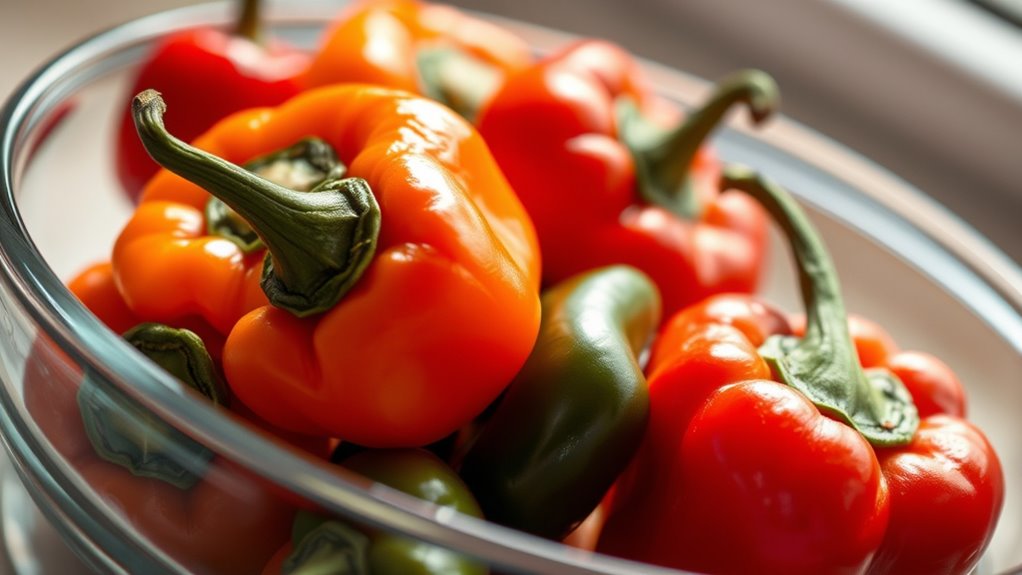
Hot peppers can be particularly hazardous when microwaved because their capsaicin-rich oils can become extremely concentrated and even aerosolized during heating. This increases the risk of intense pepper spiciness and skin irritation if you handle them afterward. When microwaved, the oils can vaporize and spread into the air, causing a burning sensation if inhaled or contact with skin. You might also accidentally transfer the spicy residue onto surfaces or your hands, leading to discomfort later.
Microwaving hot peppers releases capsaicin oils, risking skin irritation and aerosolized spiciness.
- Avoid microwaving hot peppers to prevent capsaicin aerosolization
- Wear gloves if handling hot peppers afterward to avoid skin irritation
- Be cautious of lingering spiciness that can cause eye or skin discomfort
Breast Milk or Baby Food in Glass Jars

Heating breast milk or baby food in glass jars in the microwave can be risky because uneven heating may create hot spots that burn your child’s mouth or throat. To guarantee safety, avoid microwaving directly in glass jars. Instead, transfer the food to a microwave-safe container and stir thoroughly. Use low power settings and short intervals, checking temperature often. Follow these safety precautions to prevent burns and nutrient loss.
| Heating Method | Safety Precautions |
|---|---|
| Microwave in glass jars | Transfer to microwave-safe container, stir, and test temperature |
| Use low power settings | Avoid overheating and hot spots |
| Short heating intervals | Check food temperature frequently |
| Stir thoroughly | Ensure even heat distribution |
| Avoid heating in sealed jars | Prevent pressure buildup and glass breakage |
Aluminum Foil and Metallic Items

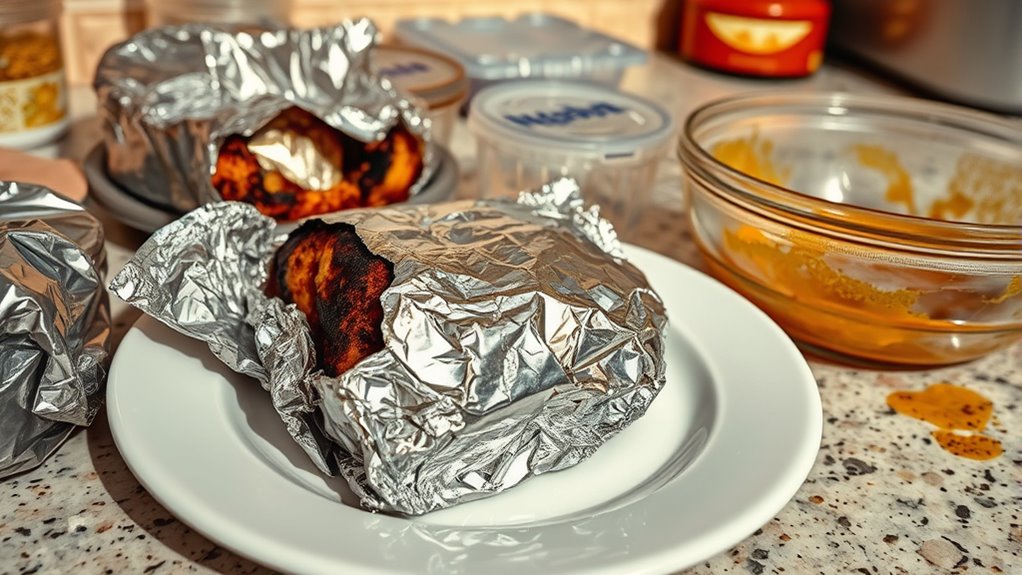
Using aluminum foil and metallic items in the microwave can lead to dangerous sparks and fires. Metal causes metallic interference, which disrupts microwave energy and creates electrical arcing. To stay safe, avoid placing anything with metallic surfaces inside your microwave.
Remember these safety precautions:
- Never use aluminum foil to cover food, especially crumpled or torn pieces.
- Avoid metal utensils or containers with metallic trim.
- Keep metallic items away from the microwave’s interior.
These precautions prevent sparks, fires, and damage to your appliance. Metallic interference can also cause uneven heating or microwave malfunction. If you’re unsure whether an item is safe, it’s best to err on the side of caution and leave it out of the microwave altogether.
Certain Plastics and Recycled Containers

Have you ever wondered if all plastics are microwave-safe? Not all plastics are created equal, especially when it comes to plastic recycling. Some containers are made from recycled plastics that may contain traces of chemicals or impurities not designed to withstand microwave heat. Using these recycled containers can compromise microwave safety, as they might melt, warp, or leach harmful substances into your food. Look for plastics labeled “microwave-safe” or those with recycling codes like #1 (PETE) and #5 (PP). Avoid plastics with recycling symbols that don’t specify microwave compatibility, and never microwave containers that aren’t intended for microwave use. Choosing the right plastics helps prevent chemical leaching and keeps your microwave sessions safe and clean.
Frequently Asked Questions
Can Microwaving Certain Foods Cause Chemical Changes or Toxins?
Microwaving certain foods can cause chemical reactions that lead to toxin formation, especially if you overheat or microwave them improperly. For example, plastics can release harmful chemicals, and some foods like eggs or potatoes can produce toxins if cooked in their shells. Be cautious with high-fat or sugary foods, as they may break down into harmful substances. Always follow safety guidelines to minimize the risk of chemical changes and toxin formation.
Are There Specific Health Risks Associated With Microwaving Plastic Containers?
You might be surprised to learn that microwaving plastic containers can pose health risks. When heated, plastic leaching occurs, releasing toxins into your food. This accidental toxin release can lead to long-term health problems, especially if you frequently microwave food in non-microwave-safe plastics. Always check for labels like “microwave-safe” to reduce plastic leaching and toxin release, protecting yourself from unnecessary exposure to harmful chemicals.
How Does Microwave Heating Affect the Nutritional Value of Food?
Microwave heating can cause nutrient degradation by breaking down vitamins and minerals in your food. It also affects enzyme activity, which is essential for digestion and nutrient absorption. However, because microwaving is quick, it often preserves more nutrients than longer cooking methods. To minimize nutrient loss, use minimal water and avoid overheating. So, while microwaves can impact your food’s nutritional value, proper techniques help retain more of its health benefits.
Is It Safe to Microwave Leftovers in Non-Microwave-Safe Containers?
You shouldn’t microwave leftovers in non-microwave-safe containers because they can pose safety risks. These containers aren’t designed to withstand heat, which increases the chance of chemical leaching into your food. Always check for microwave-safe labels to prevent harmful chemicals from contaminating your meal. Using proper containers not only guarantees safety but also helps preserve the quality of your leftovers during reheating.
What Safety Precautions Should I Take When Microwaving Spicy Foods?
When microwaving spicy foods, you should take safety precautions to prevent spicy food splatter and guarantee container safety. Use a microwave-safe lid or cover to contain the mess and avoid splatters that can cause burns or messes. Stir the food halfway through to distribute heat evenly, and vent the cover slightly to let steam escape. Always choose microwave-safe containers to prevent melting or chemical leaching.
Conclusion
So, next time you’re tempted to microwave that leftovers, think twice. Some foods hide hidden dangers you might never see coming—risks that could change your entire day. Are you prepared to avoid the unexpected? Keep these tips in mind and stay safe. After all, the surprises in your microwave aren’t always what they seem. Stay cautious, and your kitchen adventures will stay trouble-free. The real question is—what will you microwave next?