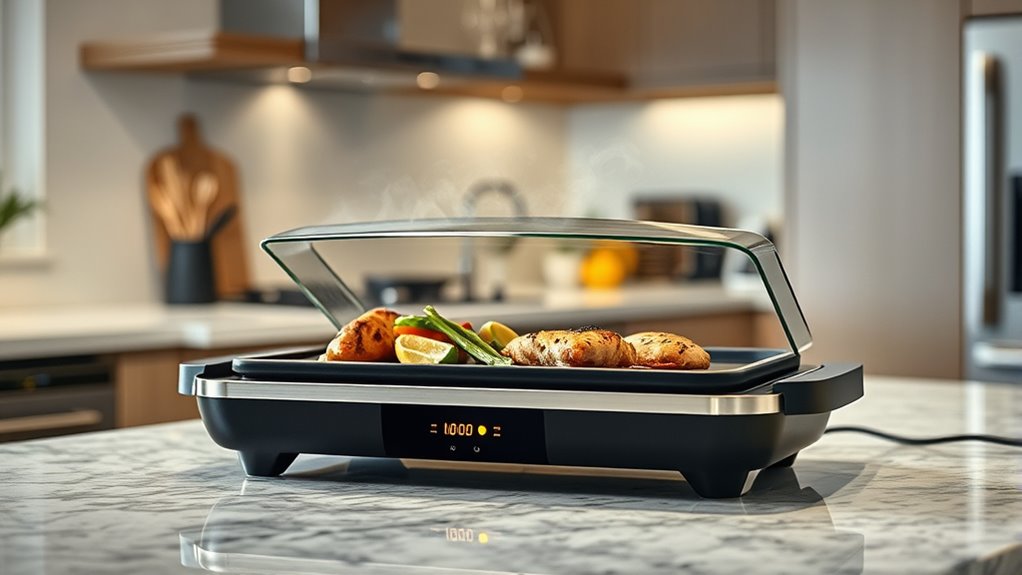

To use your indoor electric grill without filling your home with smoke, make sure to clean it regularly, especially the drip tray and cooking surface, to prevent grease buildup. Use proper ventilation, like a range hood or fans, during grilling. Control the temperature carefully—lower heat reduces smoke and flare-ups. Combining good cleaning, ventilation, and temperature management will help you enjoy tasty grilled meals with less smoke; discover more tips for a cleaner, smoke-free grilling experience.
Key Takeaways
- Use a grill with built-in smoke reduction or venting features to minimize indoor smoke.
- Maintain proper ventilation by turning on range hoods or fans during grilling.
- Clean the grill thoroughly after each use to prevent grease buildup and smoke.
- Control the temperature carefully, avoiding high heat that can produce excess smoke.
- Preheat the grill to ensure even cooking and reduce sticking, which can cause smoke.
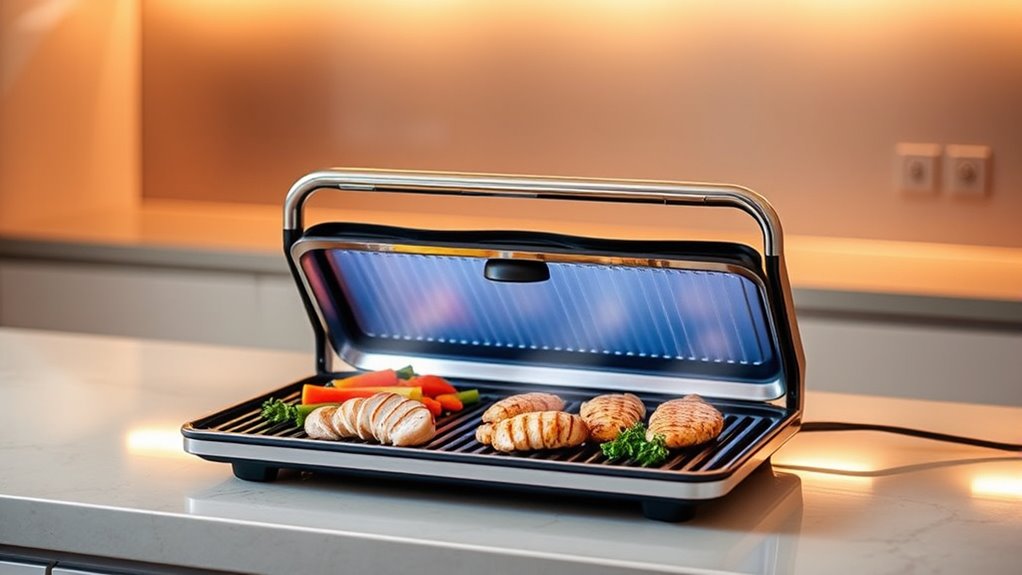
Using an indoor electric grill is a convenient way to enjoy grilled meals year‑round, but getting the best results requires some know-how. One of the most important aspects is maintaining proper cleaning maintenance. Regularly cleaning your grill not only prolongs its lifespan but also ensures that leftover grease and food debris don’t cause smoke or flare-ups during cooking. After each use, unplug the grill and let it cool slightly, then wipe down the cooking surface with a damp cloth or sponge. For stubborn stains or baked-on residue, use a soft brush and mild detergent, avoiding abrasive scrubbers that could damage the non-stick coating. Don’t forget to clean the drip tray, as accumulated grease can burn and produce smoke during subsequent uses. Establishing a consistent cleaning routine helps keep your grill in top condition and prevents unwanted smoke that can fill your home. Proper ventilation is also essential; using a ventilation system or range hood can significantly reduce indoor smoke levels during grilling sessions.
Temperature control is equally critical to achieving perfect grilled dishes without generating excess smoke. Most indoor electric grills come equipped with adjustable temperature settings, so take advantage of this feature to tailor the heat to your specific needs. For meats like steaks, aim for high heat—around 400°F to 450°F—to sear and lock in juices, but lower the temperature when cooking more delicate items or vegetables. Using the right temperature prevents burning and minimizes smoke production caused by fat or marinade drippings burning on the heating element. Always preheat your grill to the desired temperature before placing food on it; this step ensures even cooking and reduces the chances of sticking or uneven browning. During cooking, monitor the heat settings and make adjustments as needed, especially when cooking thicker cuts or items that require longer cooking times. Keeping the temperature in check not only improves your food’s flavor and texture but also helps contain smoke, making indoor grilling more comfortable and less disruptive.
Additionally, consider using a grill with a built-in smoke reduction feature or a venting system if available. Proper ventilation combined with careful temperature control can notably minimize smoke levels, allowing you to enjoy grilled flavors without filling your home with smoke. Remember, consistent cleaning maintenance and precise temperature control go hand-in-hand—they’re crucial for safe, efficient, and enjoyable indoor grilling. By adopting these practices, you’ll create delicious meals with less mess, less smoke, and less hassle, making indoor grilling a truly satisfying experience all year long.

Chefman Smokeless Indoor Electric Grill, Extra Large Grilling Surface, Nonstick Table Top Grill for Indoor Grilling and BBQ with Adjustable Temperature Control, Drip Tray, Dishwasher-Safe Parts
OUTDOOR GRILLING, INSIDE: Our indoor smokeless grill allows you to enjoy the flavors of grilling anywhere, anytime. This…
As an affiliate, we earn on qualifying purchases.
As an affiliate, we earn on qualifying purchases.
Frequently Asked Questions
Can I Use My Indoor Electric Grill Outdoors?
You can use your indoor electric grill outdoors if it’s labeled as outdoor compatible. However, consider weather conditions—rain, wind, or extreme temperatures can affect its performance and safety. Make sure to place it on a stable, sheltered surface away from moisture and elements. Always check the manufacturer’s guidelines to guarantee outdoor use is safe for your specific model, and beware of potential electrical hazards in wet conditions.
How Do I Clean the Grill Effectively?
Think of cleaning your electric grill as giving it a spa day. To keep it in top shape, follow simple maintenance routines like unplugging it before cleaning, removing and soaking the grill plates, and wiping down surfaces with a damp cloth. Use cleaning tips like a non-abrasive brush and mild soap for stubborn spots. Regular upkeep guarantees your grill stays efficient and ready for your next delicious meal.
What Temperature Settings Are Best for Different Foods?
You should adjust the temperature control based on your cooking style and the food’s thickness. For steaks, set it high for searing; for vegetables or chicken, use medium to avoid burning. Thin cuts need lower temps to prevent drying out, while thicker cuts benefit from higher heat for even cooking. Always preheat your grill to guarantee accurate temperature control and ideal results tailored to each food type.
Is It Safe to Leave the Grill Unattended?
Leaving your indoor electric grill unattended isn’t safe and isn’t recommended. Grill safety involves staying attentive to prevent accidents or fires caused by unattended grilling. Always supervise your grill while in use, and turn it off once you’re done. If you need to step away, unplug the grill. Remember, practicing good grill safety helps protect your home and loved ones from the risks associated with unattended grilling.
How Long Does It Take to Preheat?
Preheat time for your indoor electric grill typically takes about 10 to 15 minutes. You should turn it on and set it to your desired temperature, allowing the grill to reach proper heat for even cooking. During preheat, the heat recovery process kicks in, ensuring consistent temperature levels. Don’t skip preheating, as it helps achieve better searing and prevents sticking, giving you perfectly cooked results every time.

BREETEE Portable Range Hood Kitchen–5-Layer Filter Compact Desktop Exhaust Fan, Powerful 3-Speed Smoke Removal, Low Noise Countertop Range Hood, Oil Cup, for Apartments, Dorm, RV, Indoor BBQ – Black
SLEEK BLACK DESIGN FOR MODERN KITCHENS: The Breetee black portable range hood combines powerful suction with a stylish…
As an affiliate, we earn on qualifying purchases.
As an affiliate, we earn on qualifying purchases.
Conclusion
Using your indoor electric grill safely keeps your home smoke-free and enjoyable. Remember, 65% of grill users report smoke-related issues, so proper ventilation and technique are key. By following these tips, you’ll cook delicious meals without the mess or smoke. Keep the grill clean, use a drip tray, and avoid overloading it. With a little care, you’ll be grilling indoors confidently and savoring tasty, smoky-free dishes daily.
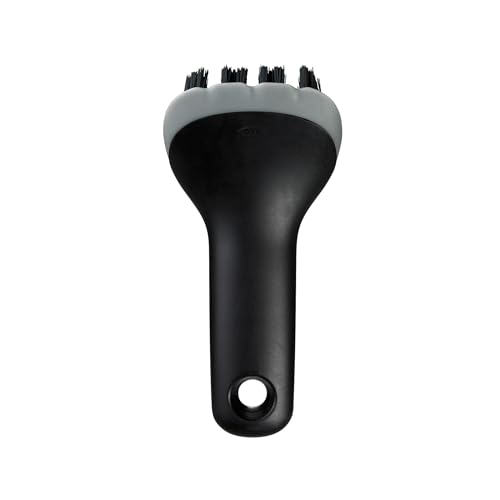
OXO Good Grips Electric Grill and Panini Press Brush
Ideal for cleaning air fryers, electric indoor grills, stove top griddles and waffle makers
As an affiliate, we earn on qualifying purchases.
As an affiliate, we earn on qualifying purchases.

AORAN Indoor Grill Electric Smokeless Set – Nonstick Electric Griddle for Indoor Use, Compact & Versatile Cooking for Steaks, Pancakes & BBQ, Includes Silicone Spatula, Oil Brush & Food Tongs
Bonus Cooking Tools for Added Value:This upgraded indoor grill set comes with 3 bonus cooking accessories – a…
As an affiliate, we earn on qualifying purchases.
As an affiliate, we earn on qualifying purchases.