
Ignoring proper maintenance, like skipping routine cleaning or professional check-ups, can cause your appliances to work harder and wear out faster. Handling them improperly, such as leaving doors open or overloading machines, strains components and shortens their lifespan. Neglecting warning signs like strange noises or leaks often leads to bigger problems down the line. Following manufacturer guidelines and fixing issues early can save money and keep your appliances running longer—discover more tips to extend their life.
Key Takeaways
- Leaving appliance doors open or setting incorrect temperatures increases energy consumption and strains components.
- Skipping routine cleaning and maintenance leads to overheating, dust buildup, and internal damage.
- Ignoring warning signs like leaks, strange noises, or performance issues worsens minor problems, causing major failures.
- Overloading or using appliances beyond recommended capacity causes internal stress and early wear.
- Not following manufacturer guidelines accelerates damage and reduces overall appliance lifespan.
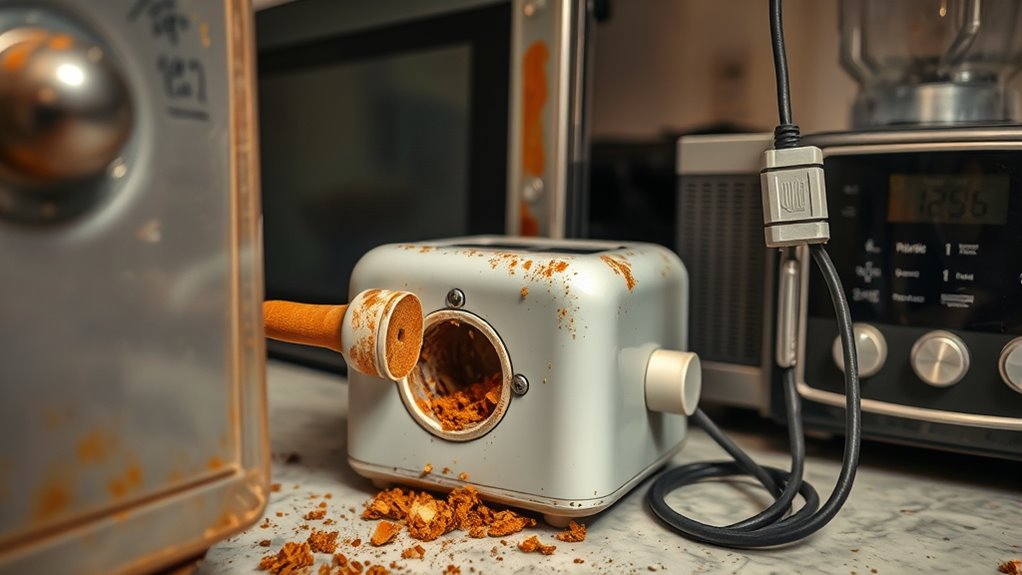
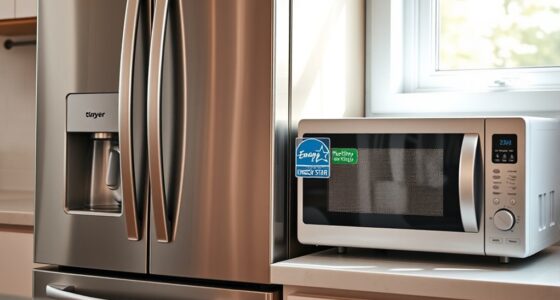
Many household appliances break down or wear out faster than they should because of habits homeowners often overlook. One of the biggest culprits is how you handle energy consumption and maintenance. When you ignore proper care, appliances work harder than necessary, which accelerates their decline. For example, leaving your refrigerator door open too long or setting your thermostat too high or low causes your fridge to run constantly, increasing energy consumption and putting unnecessary strain on its compressor. Over time, this leads to more frequent breakdowns and a shorter lifespan. Similarly, running your dishwasher or washing machine with overfilled loads or without using the right cycle can cause wear and tear, reducing their efficiency and durability. These habits not only waste energy but also accelerate appliance degradation because the components have to work overtime, which speeds up their aging process.
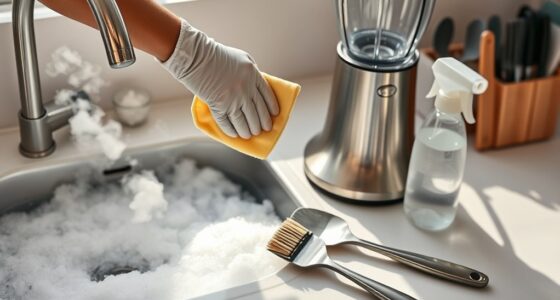
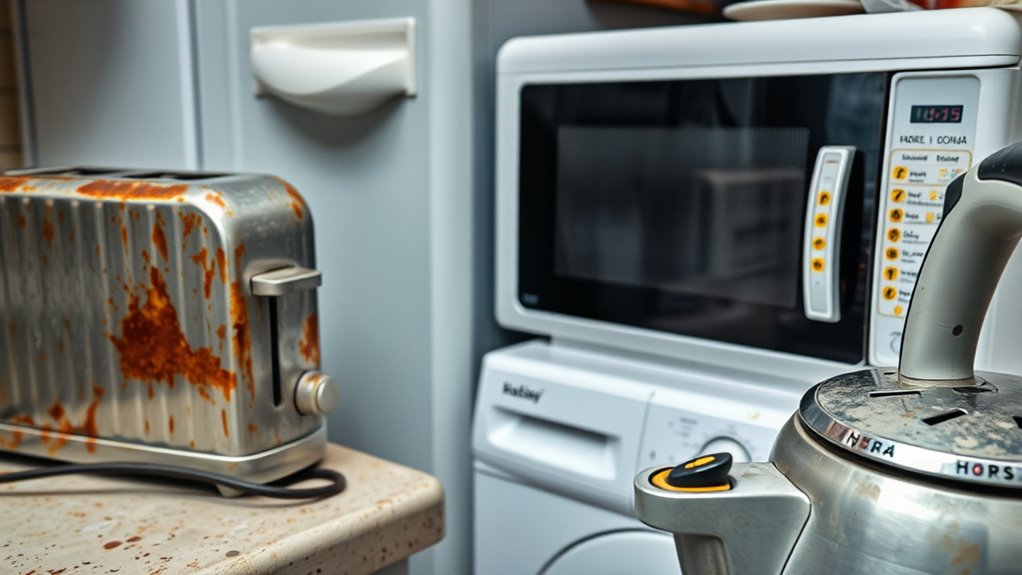
Improper maintenance is another common mistake that harms your appliances. Many homeowners neglect routine checks like cleaning filters, vents, and coils or fail to schedule professional servicing when needed. For instance, neglecting to clean the lint filter in your dryer can cause it to overheat, risking damage to internal parts and increasing energy consumption. Dust and debris buildup inside appliances make motors and other parts work harder, which shortens their lifespan. When you ignore warning signs such as strange noises, leaks, or inconsistent performance, you miss the opportunity to catch issues early. Small problems left unaddressed can escalate into major failures, forcing you to replace appliances sooner than expected. Regular maintenance and preventative care are essential to extend your appliance’s lifespan and ensure optimal performance.
Another careless habit is failing to follow manufacturer guidelines. Using appliances beyond their intended capacity or not adhering to recommended usage instructions can cause unnecessary stress on the parts. For example, overloading your washing machine can strain the drum and motor, leading to early failure. Likewise, running your oven at excessively high temperatures for extended periods can damage heating elements and insulation, reducing its overall lifespan. These habits not only increase energy consumption but also compromise the appliance’s internal components, making repairs more likely and shortening its service life.
Top picks for "common habit shorten"
Open Amazon search results for this keyword.
As an affiliate, we earn on qualifying purchases.
Frequently Asked Questions
How Often Should I Perform Maintenance on My Appliances?
You should perform maintenance on your appliances at least once a year. Regular routine inspections help catch issues early, preventing costly repairs. Follow cleaning schedules specific to each appliance, like cleaning filters or vents monthly. For appliances with moving parts, consider more frequent checks. Staying consistent with these habits extends their lifespan and keeps them running efficiently, saving you money and avoiding unexpected breakdowns.
Can Using Generic Parts Damage My Appliances?
Using generic parts can sometimes cause appliance damage, like trying to fix a watch with mismatched gears. While they may seem cheaper, these parts often lack the precision and quality of original ones, risking malfunction or breakdown. For example, a generic filter might not fit perfectly, leading to leaks or reduced efficiency. To protect your appliances, stick with genuine parts, ensuring longevity and peak performance.
What Is the Ideal Temperature Setting for Refrigerators?
You should set your refrigerator’s temperature to around 37°F (3°C) for ideal temperature regulation and energy efficiency. This keeps your food fresh and prevents overworking the compressor. Avoid setting it too cold, which can waste energy and strain the appliance, or too warm, risking spoilage. Regularly check the temperature with a thermometer to guarantee it stays consistent, helping your fridge run efficiently and last longer.
How Does Overloading Affect Appliance Longevity?
Overloading your appliances may seem harmless, but it actually shortens their lifespan. When you improperly load your washing machine or refrigerator, you create strain that can lead to overheating and motor burnout. Power surges are often triggered by overloading, causing electrical stress. By avoiding improper loading, you protect your appliances from unnecessary wear and tear, ensuring they function efficiently and last longer. Keep loads balanced to preserve their longevity.
Are There Eco-Friendly Habits That Also Extend Appliance Life?
Yes, eco-friendly practices can also extend your appliance lifespan. You should unplug devices when not in use, reduce unnecessary cycles, and clean filters regularly. Using energy-efficient settings not only saves electricity but also minimizes wear and tear. Avoid overloading or forcing appliances beyond their capacity. By adopting these habits, you’re protecting your appliances, reducing waste, and promoting a sustainable lifestyle—all while ensuring they last longer.
Conclusion
By avoiding these common habits, you can substantially extend the lifespan of your appliances and save money in the long run. Some might think regular maintenance is enough, but neglecting simple habits like overloading or ignoring warning signs can still cause damage. Remember, small changes in how you use and care for your appliances make a big difference. Investing a little time now prevents costly repairs later—your appliances will thank you for it.