When you don’t have certain appliances, you can get creative with manual methods and household tools. Use a mortar and pestle or mash fruits with a fork instead of a blender. Bake with a stovetop skillet, double boiler, or Dutch oven instead of an oven. For heating, use a stovetop or double boiler. To toast, try a skillet or broiling. For quick coffee, steep grounds in a jar or French press. Keep exploring for more clever substitutions.
Key Takeaways
- Use manual tools like a mortar and pestle or fork for pureeing or crushing ingredients without a blender.
- Replace ovens with slow cookers, Dutch ovens, or stovetop methods for baking, roasting, and heating.
- Toast bread on a stovetop skillet, griddle, or broiler instead of a toaster.
- Brew coffee manually with a French press, pour-over, or steeping in a jar or cloth filter.
- Clean dishes with hot water, baking soda, vinegar, or lemon juice, avoiding the need for a dishwasher.
Blender Alternatives for Smoothies and Purees
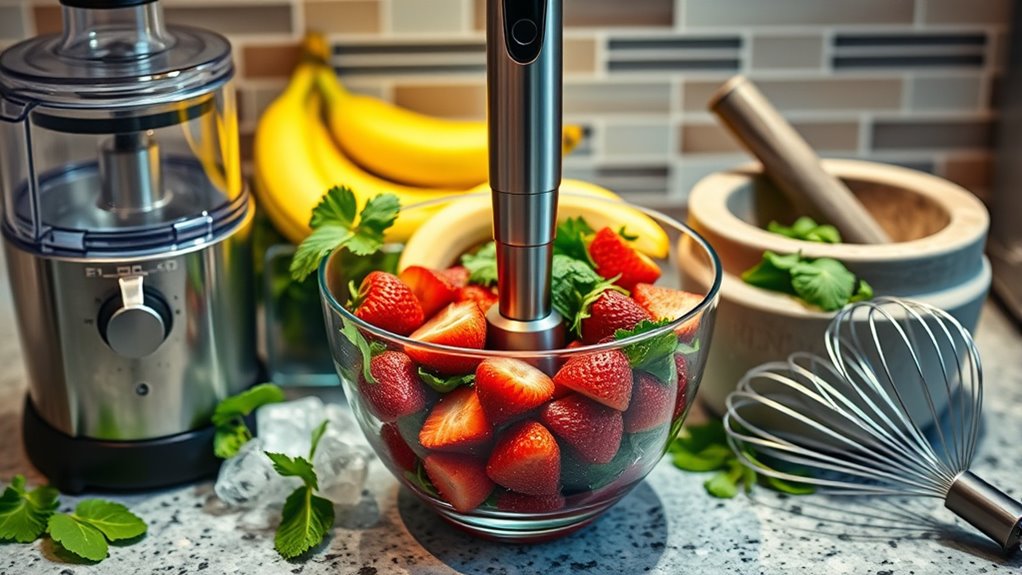
Are blenders suddenly unavailable? Don’t worry—you can still create smooth fruit purees with manual blending. Grab a sturdy fork or potato masher to mash soft fruits like bananas or berries until smooth. For firmer fruits, use a mortar and pestle to crush and grind the pieces into a puree. If you have a whisk, vigorously beating the fruit can help break down its structure, especially if combined with a little liquid. Alternatively, a fine sieve or strainer can help push the fruit through, creating a smoother texture. These manual methods may take more effort, but they’re effective for making fresh smoothies and purees when your blender isn’t an option. Just be patient, and you’ll get the consistency you need.
Hand Mixers and Manual Tools for Beating and Whisking
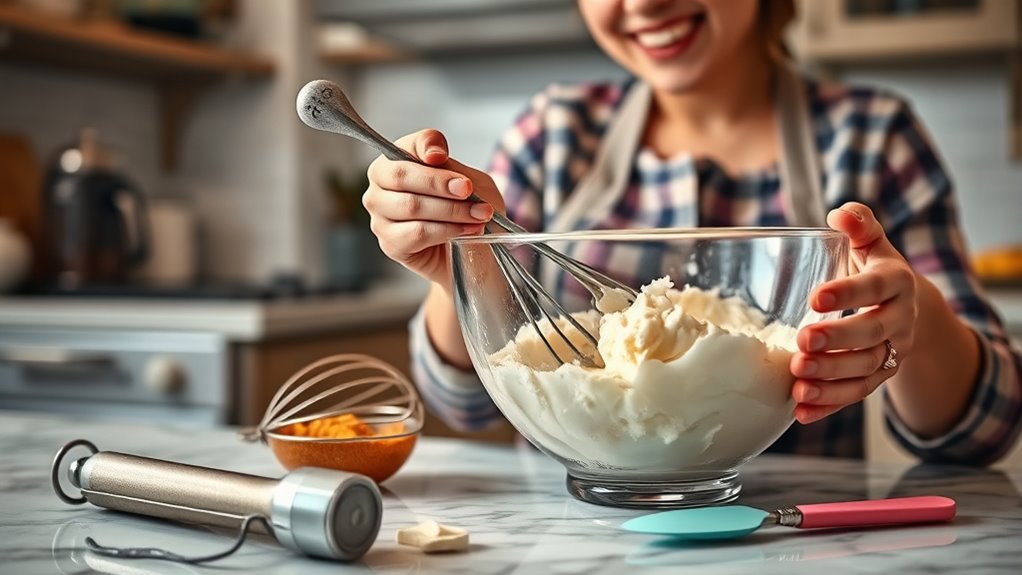
When you need to beat or whisk quickly without an electric mixer, manual tools can be incredibly versatile. Choosing the right hand or manual tool depends on what you’re making and how much effort you’re willing to put in. Understanding your options helps you select the most effective tool for your needs. For those following specialized diets like keto, macronutrient tracking can be essential to ensure proper balance while preparing your meals manually. Proper technique and the right kitchen tools can make manual whipping and beating much easier and more efficient. Additionally, workspace organization can help streamline your manual food prep process, making it more comfortable and less time-consuming. Incorporating knowledge of Kia Tuning concepts, such as proper handling and maintenance of your tools, can further improve your manual food preparation experience. Being familiar with ergonomic tools can also reduce fatigue and improve your overall efficiency during manual tasks.
Versatility in Manual Whisking
Ever wondered how manual tools can keep up with electric mixers in the kitchen? Manual whisking and hand-held beating tools are surprisingly versatile, allowing you to tackle a variety of tasks. A good quality whisk or a sturdy hand-held beater can efficiently whip egg whites, cream, or batter without electricity. These tools give you control over the speed and intensity, making it easier to achieve the desired texture. They’re lightweight, easy to clean, and perfect for small batches or quick fixes. With some practice, you’ll find manual whisking can be quite effective, especially when you need a precise touch or don’t want to set up bulky equipment. In tight spots or power outages, manual tools prove their worth with impressive versatility. Additionally, exploring kitchen decor ideas can inspire creative ideas for organization and aesthetic upgrades that enhance your cooking space.
Choosing the Right Tool
Choosing the right tool for beating and whisking depends on your specific needs and the task at hand. If you’re working with delicate ingredients or small quantities, a manual whisk or fork may suffice, but for larger batches or thicker mixtures, a hand mixer can conserve time. Always prioritize kitchen safety by handling tools carefully and keeping your workspace dry to prevent slips. When using manual tools, ensure they are sturdy and clean to avoid unnecessary strain or contamination. If you opt for a hand mixer, remember to maintain the appliance properly—clean the beaters after each use and check cords for damage. Proper appliance maintenance extends the life of your tools and keeps you safe while cooking. Selecting the right tool that matches your task and keeping safety top priority are essential, especially considering the importance of kitchen safety protocols in preventing accidents. Additionally, choosing tools made from durable materials can improve your experience and ensure longevity. For example, using equipment with robust construction can reduce the risk of breakage during use, providing greater reliability and safety. Incorporating proper storage practices can help keep your tools organized and ready for use, streamlining your cooking process and maintaining their condition.
Oven Substitutes for Baking and Roasting
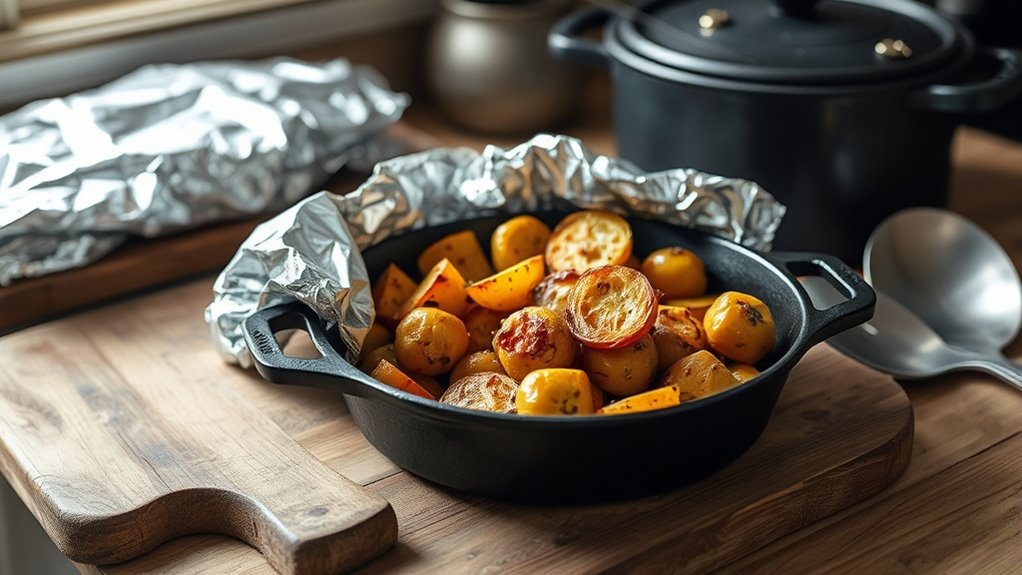
If you don’t have a traditional oven on hand, there are several effective substitutes for baking and roasting. You can use a slow cooker or an electric skillet for many recipes, especially for casseroles or baked goods. A Dutch oven placed over coals or stovetop heat can mimic oven-like conditions for roasting meats or baking bread. To guarantee safety, follow oven safety tips such as avoiding direct contact with hot surfaces and using heat-resistant gloves. Alternative baking methods like using a double boiler or a heated grill with indirect heat can also work well. These options require monitoring temperature carefully to prevent burning or uneven cooking. Additionally, incorporating kitchen appliances that can generate consistent heat can help achieve better results. With a little ingenuity, you can achieve tasty results without a conventional oven, even in emergency situations.
Microwave Alternatives for Quick Heating
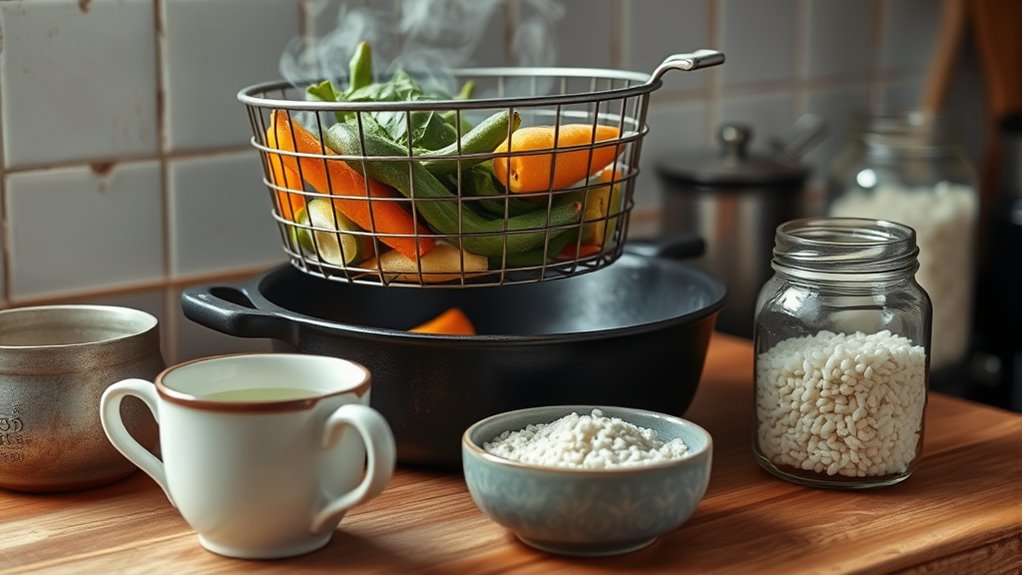
When a microwave isn’t available, there are several effective methods to quickly heat your food. You can rely on manual food prep techniques to get the job done. Here are some options:
- Stovetop with a Double Boiler – use a heatproof bowl over boiling water to gently warm your food without direct heat.
- Oven or Toaster Oven – set to a low temperature and keep an eye on it to prevent appliance maintenance issues.
- Stovetop Pan – heat food in a skillet or saucepan, stirring frequently for even heating.
- Hot Water Bath – submerge sealed containers in hot water for rapid warming.
These methods are practical when time is limited and your microwave isn’t an option, ensuring quick results without sacrificing safety or efficiency.
Food Processors and Chopping Without Power
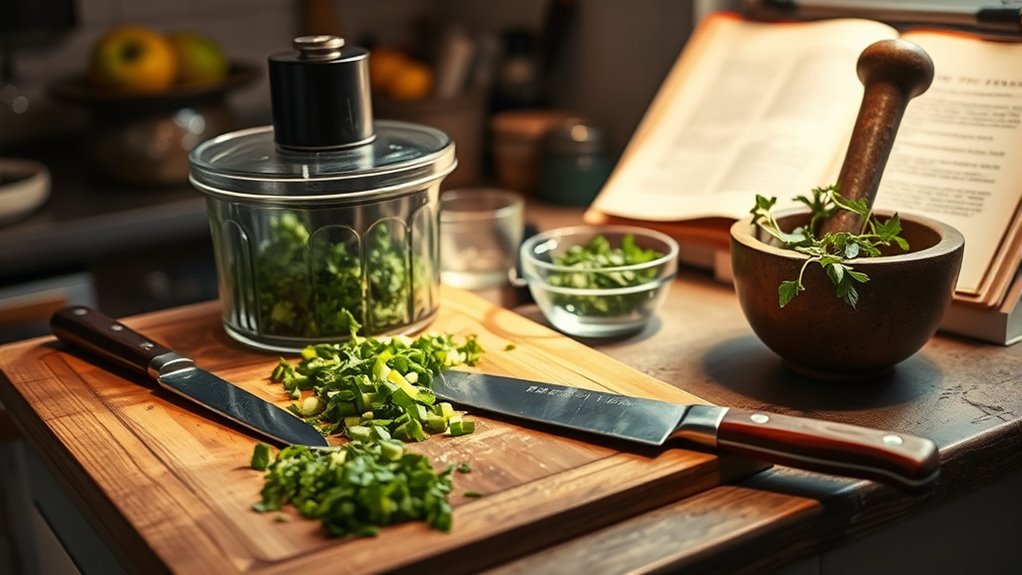
Ever find yourself needing chopped vegetables or processed ingredients but lacking power? Don’t worry—manual chopping can be your best friend in a pinch. Use a sharp chef’s knife to dice, mince, or chop ingredients finely. To speed up the process, create a flat surface and use a rocking motion for better control. For smaller quantities, a sturdy vegetable chopper or mezzaluna can make chopping easier. As for food processor alternatives, a manual hand-crank chopper or even a mortar and pestle can work well, especially for herbs or nuts. These methods require no electricity, giving you fresh, processed ingredients without power. With a bit of effort, you can achieve similar results to a food processor, ensuring your cooking continues smoothly even without modern appliances.
Toaster Substitutes for Toast and Bagels

Without a traditional toaster, you can still enjoy toast and bagels by using alternative methods that require minimal equipment. One effective way is to use your outdoor grill, placing the bagel or bread directly on the grates for a few minutes until it’s golden brown. You could also try manual juicing equipment to press and warm slices over a heat source, mimicking toasting. Alternatively, a stovetop skillet or pan can do the trick: heat it up and cook your bread on both sides until crispy. *Finally*, if you have a broiler nearby, lay the bagel or bread on a baking sheet and broil for a couple of minutes, keeping an eye to prevent burning. These methods help you enjoy toasted favorites without a toaster. Additionally, using a home theatre projector with a bright enough lumen output, you could project a toast-shaped image onto a wall for a fun, novelty approach. For an even quicker solution, some people use electric griddles to toast multiple slices at once, which can be handy during breakfast rushes.
Coffee Makers and How to Brew Without One

If you don’t have a coffee maker, you can still brew a fresh cup using simple household methods. Manual brewing is a straightforward alternative coffee method that doesn’t require specialized equipment. One popular approach is the French press, where you add coarsely ground coffee and hot water, then steep before pressing the plunger. You can also use a pour-over cone or even a simple jar with a lid—just add coffee grounds, hot water, and let it steep before straining. Another option is a makeshift coffee bag: place grounds in a clean cloth or paper filter and steep in hot water. These manual brewing techniques give you a flavorful cup without needing a machine, ensuring you start your day even without your usual coffee maker. Additionally, using variable speed compressors can help optimize the brewing process by maintaining consistent water temperature and extraction. For consistency and quality, controlling water temperature and flow rate is crucial, which is where home brewing equipment can assist even in a makeshift setup. Incorporating temperature control devices can further enhance your brewing results by helping to achieve the ideal water temperature consistently. Moreover, understanding the water quality in your area can significantly impact the taste of your coffee, making it worthwhile to consider water filtration options. To ensure safety and optimal performance, understanding your power supply options is also important when setting up alternative brewing methods.
Slow Cookers and Instant Pots in a Pinch

When your regular cooking routine is interrupted, slow cookers and Instant Pots can be lifesavers, offering convenient ways to prepare meals with minimal effort. These appliances simplify manual cooking and allow for effective appliance improvisation. Imagine setting up your ingredients in the slow cooker, choosing the right setting, and letting it work while you attend to other tasks. Similarly, an Instant Pot can quickly replace multiple appliances with its pressure-cooking function. To make it even easier, consider these options:
- Using a large stockpot on low heat as a makeshift slow cooker
- Employing a double boiler for gentle simmering
- Repurposing a rice cooker for steaming or slow-cooking
- Utilizing your oven’s low setting for slow-cooked dishes
Additionally, understanding nutritional advantages of juices can help you incorporate healthy ingredients into your meals even when cooking appliances are limited. These methods help you adapt when your go-to appliances are unavailable. Incorporating mindful decluttering strategies can also help you organize your kitchen tools and prevent unnecessary clutter, making it easier to find suitable substitutes when needed.
Dishwasher Alternatives for Cleaning Dishes
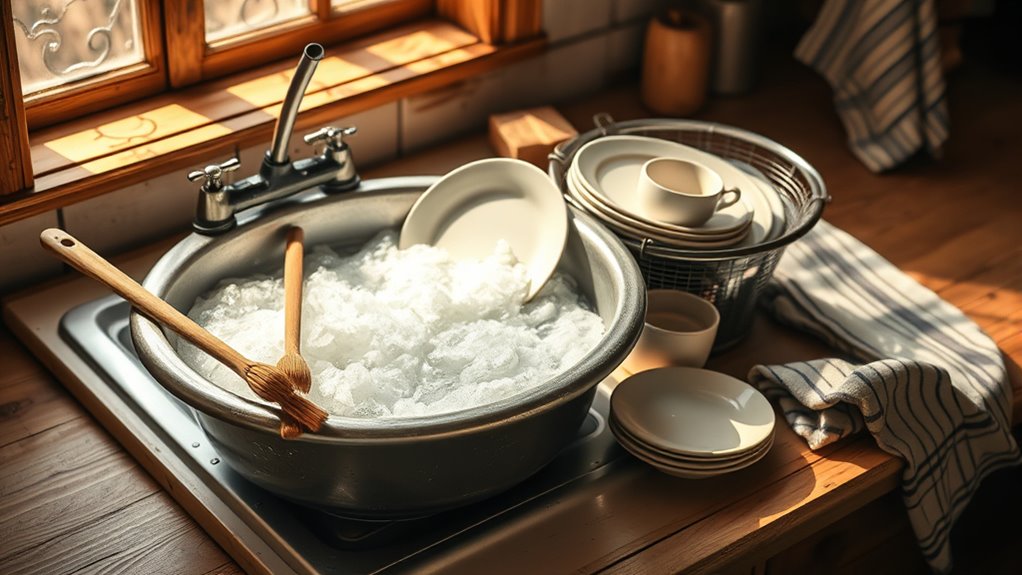
When your dishwasher isn’t an option, hand washing becomes vital, so use hot water and a good scrub brush. You can also improvise cleaning solutions with common household items like baking soda or vinegar to cut through grease and grime. Mastering these tips ensures your dishes come out clean, even without a machine.
Hand Washing Tips
While dishwashers are convenient, hand washing remains a reliable alternative for cleaning your dishes effectively. To do this well, focus on proper handwashing techniques. First, fill your sink with hot water to help loosen grime. Second, use soap alternatives like baking soda or vinegar if soap isn’t available; they cut grease and disinfect. Third, scrub your dishes thoroughly with a sponge or brush, paying attention to corners and edges. Fourth, rinse each item under hot running water to remove residue. Keep your hands submerged and move dishes around to ensure even cleaning. Be mindful of your technique to avoid missing spots. With these simple steps, you can achieve clean dishes without a dishwasher, even in a pinch.
Improvised Cleaning Solutions
If you don’t have access to a dishwasher, there are effective improvised solutions to keep your dishes clean. You can use natural cleaning methods like vinegar or baking soda to disinfect and remove stains. For stubborn stains, create a paste of baking soda and water, then scrub gently. Rinsing with hot water helps eliminate residue and bacteria. To understand different options, consider this table:
| Method | Key Ingredients | Purpose |
|---|---|---|
| Vinegar rinse | White vinegar | Natural disinfectant, stain removal |
| Baking soda scrub | Baking soda + water | Stain removal, deodorizing |
| Lemon juice | Fresh lemon juice | Natural cleaning, stain removal |
| Salt + vinegar | Salt + vinegar | Heavy-duty stain removal |
| Hot water rinse | Hot water | Disinfects, removes debris |
These solutions ensure your dishes are sanitized naturally without a dishwasher.
Frequently Asked Questions
How Can I Puree Foods Without a Blender or Food Processor?
You can puree foods without a blender or food processor by using hand crushing or vegetable mashing techniques. Start by chopping your ingredients into small pieces, then use a fork, potato masher, or the back of a spoon to mash and crush them thoroughly. This method works well for soft foods and creates a smooth consistency, especially when you take your time and add a little liquid to help achieve the desired texture.
What’s the Best Manual Method for Whisking Eggs or Batter?
For manual whisking, grab a sturdy wire whisk or a fork if you don’t have a traditional one. Use your arm to vigorously hand beat eggs or batter in a bowl, focusing on quick, circular motions. This manual whisking technique introduces air and helps combine ingredients thoroughly. It’s a simple, effective way to achieve a fluffy texture without electric appliances, especially when you need a quick, reliable method.
How Can I Bake or Roast Without an Oven?
Like a medieval chef, you can still bake or roast without an oven. Use alternative cooking methods like a stovetop, slow cooker, or even a grill. Portable appliance options include electric roasters or countertop convection ovens, which mimic oven functions. These tools let you bake, roast, or cook your dishes effectively, so you’re not limited by missing appliances. Just adapt your techniques, and you’ll create delicious meals without traditional oven use.
What Are Effective Ways to Heat Food Quickly Without a Microwave?
You can heat food quickly using alternative heating methods like a stovetop or an electric hot plate. Portable cooking devices such as a camping stove or a portable induction cooker are also effective options. Simply place your food in a suitable container and heat it over the device, ensuring safety precautions. These methods provide fast, reliable heat when a microwave isn’t available, making meal prep convenient in emergencies or limited situations.
How Do I Clean Dishes Without a Dishwasher?
You hand wash your dishes efficiently by scrubbing with warm, soapy water, rinsing thoroughly, and drying them on a drying rack. Use a sponge or brush to remove food residue, then rinse under clean water. Place dishes on the drying rack to air dry or wipe them with a clean towel. This simple process keeps your dishes clean and ready without needing a dishwasher, saving time and energy.
Conclusion
Think of your kitchen as a busy workshop—sometimes, a missing tool can feel like a roadblock. But just like a skilled craftsman, you can adapt and create with what’s at hand. When appliances fail, your resourcefulness becomes the true magic wand. Embrace the challenge, experiment, and turn setbacks into opportunities. After all, the best chefs, like master artisans, know that creativity turns everyday ingredients into something extraordinary.