
To save energy with your kitchen appliances, set your refrigerator to 37°F and the freezer to 0°F, ensuring good door seals and proper placement away from heat sources. Use appliances during off-peak hours and run only full loads. Regularly clean filters, coils, and vents to keep everything running efficiently. Try energy-efficient cooking techniques like using pressure cookers and matching pot sizes. Keep learning if you want to discover more tips to cut your energy use.
Key Takeaways
- Use appliances during off-peak hours and schedule their operation with home automation systems to reduce energy costs.
- Maintain appliances regularly by cleaning coils, filters, and seals to ensure optimal efficiency and prevent energy waste.
- Match pot sizes to burners and cover pots while cooking to retain heat and reduce energy consumption.
- Run dishwashers and laundry loads only when full, and select eco-friendly or energy-saving cycles.
- Upgrade to energy-efficient appliances with high ratings and utilize smart monitoring tools for real-time energy management.

Upstreman 7.1 Cu.Ft Refrigerator with Bottom Freezer, Apartment Fridge with Freezer, Energy-efficient, Large Capacity, Adjustable Thermostat, Refrigerator for Apartment, Kitchen, Dorm(BM71)
7.1 Cu.Ft Large Capacity Fridge: This space-saving double-door (21.46"W x 55.91"H x 21.46"D) refrigerator packs serious storage. Top…
As an affiliate, we earn on qualifying purchases.
As an affiliate, we earn on qualifying purchases.
Optimize Refrigerator Settings and Placement

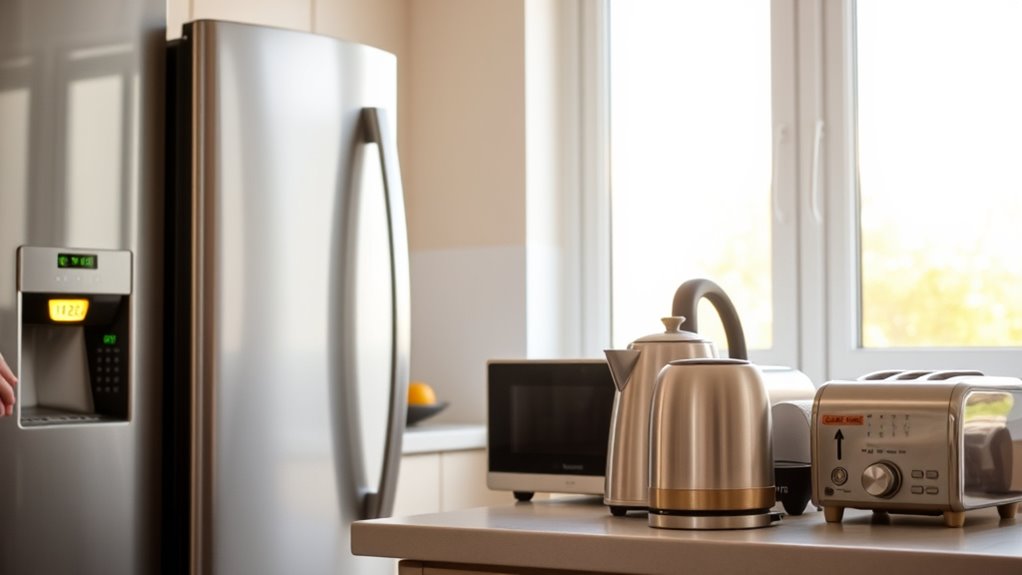
To save energy, start by setting your refrigerator to the ideal temperature—generally around 37°F (3°C) for the fridge and 0°F (-18°C) for the freezer. Proper refrigerator insulation helps maintain these temperatures efficiently, reducing the workload on your compressor. Make sure the door seal integrity is intact; a damaged or loose seal allows cold air to escape, forcing your appliance to work harder. Keep the refrigerator away from heat sources like the oven or direct sunlight, and avoid overcrowding, which hampers air circulation. Regularly check the door seals and clean the coils at the back to enhance insulation. Additionally, monitoring signs of spoilage in stored items can help prevent unnecessary energy use by reducing waste and ensuring optimal appliance performance. Maintaining proper temperature settings also minimizes energy consumption and extends the lifespan of your refrigerator. Being aware of energy-efficient appliances can further improve your overall energy savings. These simple steps, along with efficient storage practices, ensure your fridge maintains excellent temperatures with less energy, saving you money and prolonging appliance life.
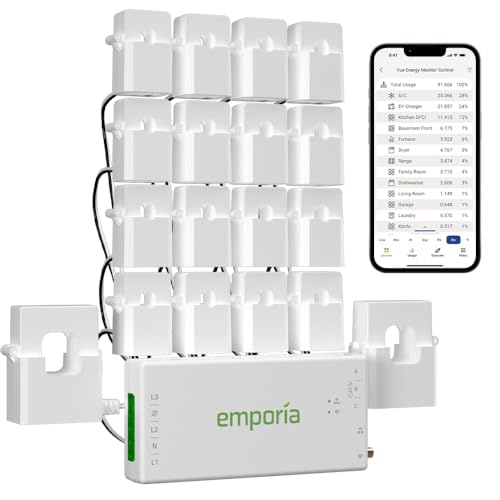
Emporia Vue 3 Home Energy Monitor – Smart Home Automation Module and Real Time Electricity Usage Monitor, Power Consumption Meter, Solar and Net Metering for UL Certified Safe Energy Monitoring
SAFETY YOU CAN TRUST WITH UL CERTIFICATION: With Emporia Energy, your home energy monitoring is safe, reliable, and…
As an affiliate, we earn on qualifying purchases.
As an affiliate, we earn on qualifying purchases.
Use Appliances During Off-Peak Hours

Using appliances during off-peak hours can substantially reduce your energy costs and ease the strain on the power grid. By understanding your utility’s time of use rates, you can schedule high-energy appliances, like dishwashers or ovens, for times when demand is lower. This practice, known as appliance scheduling, helps you save money and promotes a more efficient energy system. Check your utility’s peak and off-peak hours, then plan accordingly. For example, run your dishwasher or laundry late at night or early morning. Here’s a simple guide:
| Time of Use Rates | Recommended Appliances | Benefits |
|---|---|---|
| Off-peak | Dishwasher, Oven | Save on energy costs |
| Peak | Microwave, Coffee Maker | Use in less costly times |
Adjust your habits to optimize energy efficiency. Additionally, being aware of energy-saving tips like these can further enhance your overall appliance efficiency and reduce your carbon footprint. Incorporating appliance scheduling into your routine not only conserves energy but also extends the lifespan of your appliances by avoiding overuse during peak hours. To maximize savings, consider integrating smart home technology that can automatically manage appliance operation based on electricity rates. Moreover, understanding the importance of energy data and insights can help you make more informed decisions about your energy consumption.

Instant Pot Duo Plus 9-in-1 Multicooker, Pressure Cooker, Slow Cook, Rice Maker, Steamer, Sauté, Yogurt, Warmer & Sterilizer, Includes App with Over 800 Recipes, Stainless Steel, 6 Quarts
9 Cooking Functions: Pressure cook, slow cook, sauté, sous vide, steam, sterilize, keep warm, make rice and yogurt—all…
As an affiliate, we earn on qualifying purchases.
As an affiliate, we earn on qualifying purchases.
Maintain and Clean Appliances Regularly

Scheduling appliances during off-peak hours helps decrease energy costs, but maintaining them regularly guarantees they operate efficiently and save even more. By sticking to a consistent cleaning schedule, you prevent buildup that can hinder performance and increase energy consumption. Regular cleaning helps extend your appliance’s lifespan, reducing the need for costly repairs or replacements. For example, cleaning refrigerator coils or oven vents ensures peak airflow, while descaling coffee makers prevents mineral buildup. Keep filters clean and inspect seals to avoid leaks and inefficiencies. Taking time to maintain appliances not only conserves energy but also keeps them running smoothly longer, reducing the likelihood of unexpected breakdowns. Incorporating preventive maintenance into your routine can further optimize appliance performance. Scheduling your appliance maintenance during store hours or off-peak times can help you avoid inconvenient disruptions and ensure timely service. Make maintenance a routine, and your appliances will work more efficiently for years to come.

Seventh Generation Dishwasher Detergent Packs, Free & Clear, 72 Count, Pack of 1, Plant Powered Cleaning, Fights Greasy Reside & Stuck-On Food For Sparkling Dishes, Fragrance-Free & Septic Safe
Power Away Your Toughest Messes: These dishwasher detergent packs use an enzyme-rich formula that targets tough messes, from…
As an affiliate, we earn on qualifying purchases.
As an affiliate, we earn on qualifying purchases.
Utilize Energy-Efficient Cooking Techniques

By adopting energy-efficient cooking techniques, you can considerably reduce your kitchen’s power consumption. Using induction cooking heats pots quickly and efficiently, saving energy compared to traditional methods. Pressure cooking speeds up meal preparation while conserving energy and nutrients. To maximize efficiency, consider these tips:
- Use induction cooktops for fast, precise heating
- Opt for pressure cooking to cut down cooking time
- Cover pots and pans to retain heat and reduce energy waste
- Match pot size to burner or element to prevent heat loss
- Avoid preheating appliances longer than necessary
Applying these techniques helps cut energy costs and minimizes your environmental impact. Embracing induction cooking and pressure cooking are particularly effective strategies, transforming your kitchen into a more sustainable space.
Manage Dishwashers and Laundry Loads Wisely
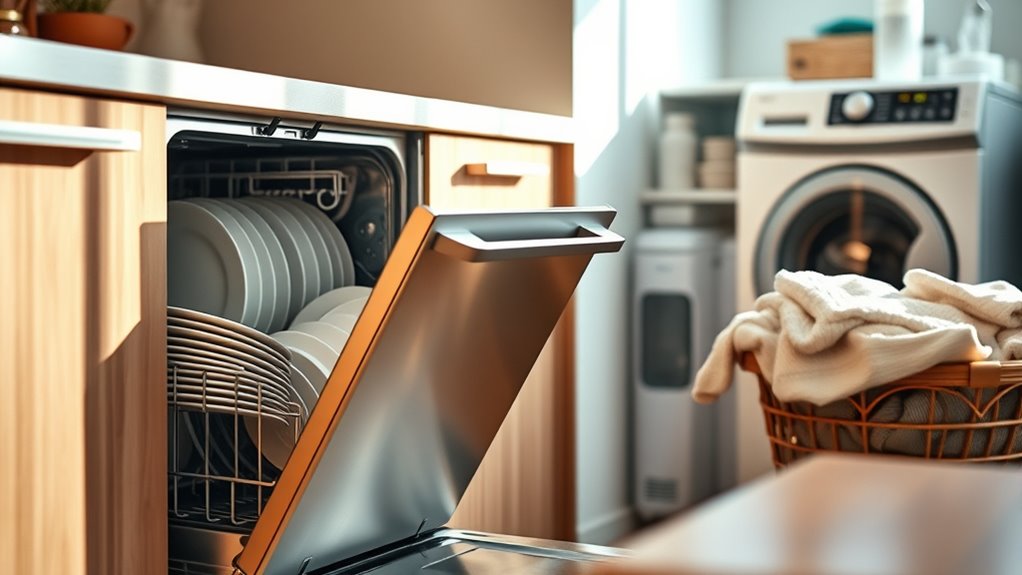
Efficient management of dishwashers and laundry loads can considerably cut down your household energy use. To do this, choose the right detergent choices—use high-efficiency or eco-friendly detergents that clean effectively with less water and energy. Always opt for full loads to maximize efficiency, but avoid overloading, which can reduce cleaning performance. When selecting cycles, pick the shortest, most appropriate setting for each load; for example, use quick or eco cycles for lightly soiled dishes and laundry. Pre-rinsing isn’t necessary for modern dishwashers and washers, saving water and energy. Proper placement and maintenance of appliances are crucial for effective operation and appliance efficiency. Additionally, selecting the right tuning options can optimize your appliances’ performance and further reduce energy consumption. Regularly cleaning filters and seals can also help maintain appliance performance, ensuring they operate at peak efficiency. By managing load sizes carefully and selecting the right cycle, you optimize appliance performance and markedly reduce your energy consumption.
Incorporate Smart and Modern Kitchen Devices

In today’s kitchen, incorporating smart and modern devices can substantially boost your energy savings. These innovations make it easier to monitor and control your energy use, ensuring efficiency. With a smart kitchen, you can automate appliance functions, set schedules, and receive maintenance alerts. Modern appliances often feature energy-efficient modes that reduce consumption without sacrificing performance. Plus, smart devices can help you avoid unnecessary usage by giving real-time feedback on energy consumption. Implementing cookie management practices can also aid in controlling data collection and enhance your overall privacy while using smart appliances. Additionally, choosing appliances with energy star ratings ensures you are selecting models designed to optimize energy efficiency and reduce utility costs. Utilizing smart energy monitoring tools further enhances your ability to track and optimize overall household energy consumption. Incorporating energy-efficient technologies can further streamline your kitchen operations and maximize savings. Exploring home automation systems can also integrate your appliances seamlessly for even greater efficiency.
Frequently Asked Questions
How Can I Tell if My Appliances Are Energy-Efficient?
You can tell if your appliances are energy-efficient by checking their energy labels, which indicate their efficiency ratings. Look for appliances with high ENERGY STAR ratings or similar certifications. Also, observe your usage patterns—using appliances wisely and avoiding unnecessary runs helps maximize efficiency. When shopping, compare models based on their energy labels, and regularly maintain appliances to keep them running efficiently and save energy over time.
Are There Specific Brands Known for Energy-Saving Kitchen Appliances?
Think of brands as trusted guardians of your eco-journey. You’ll find that some, like Samsung, LG, and Whirlpool, are renowned for their energy-saving reputation. Look for appliances with eco label certifications—they’re symbols of commitment to efficiency. These brands prioritize innovative, eco-friendly designs, helping you reduce energy use while maintaining performance. Selecting such trusted names guarantees your kitchen aligns with your sustainability goals effortlessly.
What Is the Typical Lifespan of Energy-Efficient Kitchen Devices?
Energy-efficient kitchen devices typically last between 8 to 15 years, depending on appliance maintenance and usage. To maximize their lifespan, you should regularly monitor energy consumption and perform proper maintenance, like cleaning filters and checking seals. By staying attentive to these details, you guarantee your appliances operate efficiently longer, saving you money and reducing energy waste. Proper upkeep is key to extending the life of your energy-efficient kitchen devices.
Can Appliance Timers Reduce Overall Energy Consumption Effectively?
Yes, appliance timer benefits can markedly reduce your overall energy consumption. By scheduling your kitchen appliances to run only when needed, you avoid standby power and unnecessary usage. This simple step helps cut down energy waste, lowers your utility bills, and extends appliance lifespan. Implementing timers is an easy, effective way to make your kitchen more energy-efficient, giving you better control and savings without sacrificing convenience.
How Do I Balance Appliance Performance With Energy Savings?
You can balance appliance performance with energy savings by performing regular appliance maintenance to keep everything running efficiently. Additionally, embrace smart technology like programmable thermostats and energy-efficient settings to optimize usage without sacrificing performance. These tools help you monitor and control energy use, ensuring your appliances operate at peak efficiency when needed and save energy during less busy times. This way, you get the best of both worlds—performance and savings.
Conclusion
By applying these energy-saving tips, you’re not just cutting costs—you’re nurturing a greener future. Imagine your kitchen humming quietly, appliances working efficiently like a well-orchestrated symphony, while sunlight streams through the window, illuminating your mindful choices. Each small step you take today ripples outward, creating a brighter, cleaner world for tomorrow. Embrace these habits, and let your kitchen be a sanctuary of sustainability and warmth, where every meal served is a gift to the planet.