
TL;DR
A significant increase in beans prices in Lagos has prompted consumers to buy less of the staple food. The trend is affecting household budgets and local markets, with further impacts expected. The cause of the price hike remains unconfirmed.
Consumers in Lagos are reducing their beans purchases due to a sharp increase in prices, according to the News Agency of Nigeria. This trend is impacting household food budgets and local market dynamics, with the cause of the price hike still unconfirmed.
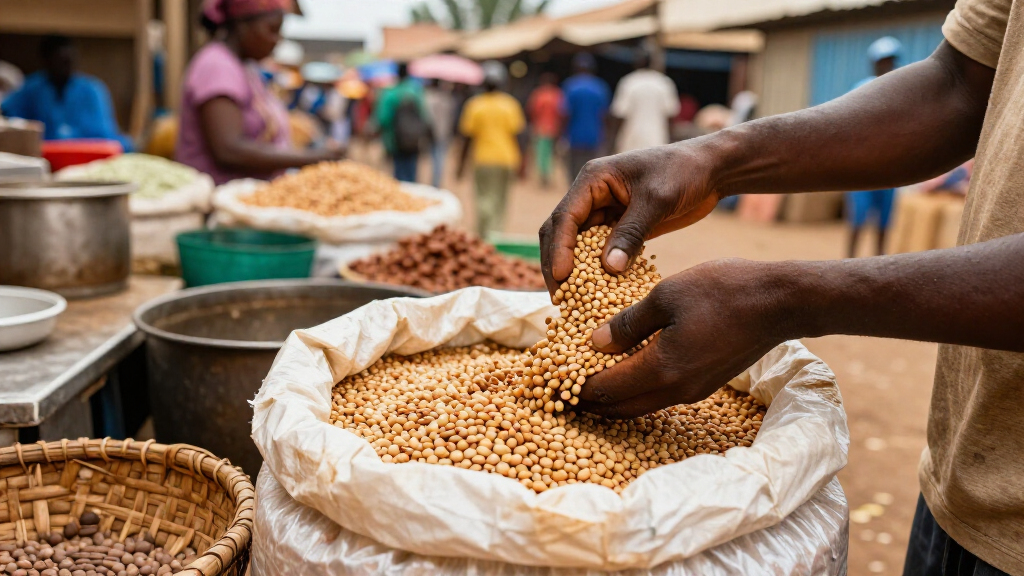
Recent reports from Lagos indicate that the price of beans has risen significantly over the past few weeks. Market sources suggest that the increase is affecting both retail and wholesale levels, leading consumers to buy less of the staple food. Local vendors and shoppers confirm that many are now purchasing smaller quantities or postponing purchases altogether.
The price surge appears to be driven by a combination of factors, including supply chain disruptions, increased transportation costs, and possibly higher import tariffs, though official explanations have not yet been provided. The impact is most visible among low- and middle-income households, which rely heavily on beans as an affordable protein source.
Analysts warn that if the trend continues, it could lead to further inflation in food prices and strain household budgets, especially in urban centers like Lagos where demand is high. Local market data shows that beans prices have increased by approximately 20-30% over the last month, with some vendors citing scarcity and rising costs of raw beans as primary reasons.
Economic and Food Security Implications of Beans Price Increase
The rising price of beans in Lagos is a significant concern because it directly affects household nutrition and food security, especially for low-income families. Beans are a key protein source in Nigeria, and a sustained increase in price could force consumers to switch to less nutritious alternatives or reduce their overall food intake. Additionally, the trend signals potential inflationary pressures in the food sector, which could influence broader economic stability if it persists.
Furthermore, the price hike may impact local farmers and traders, altering market dynamics and potentially leading to shifts in supply and demand. Policymakers and market regulators will need to monitor the situation closely to prevent further escalation and ensure food affordability.
As an affiliate, we earn on qualifying purchases.
Recent Trends and Possible Causes of Beans Price Fluctuations
Over the past year, Nigeria has experienced fluctuating food prices due to various factors including inflation, currency devaluation, and disruptions in the agricultural supply chain. Beans, as a staple crop, have been affected by these broader economic conditions, along with localized issues such as poor harvests, transportation challenges, and import restrictions.
Market reports suggest that supply chain disruptions, possibly linked to rising fuel costs and logistical bottlenecks, have limited the availability of beans in Lagos markets. While official statements have not clarified the reasons, experts speculate that these factors, combined with seasonal variations, have contributed to the recent price increase.
Historically, beans prices tend to fluctuate with harvest cycles, but current trends indicate a more sustained upward movement, raising concerns among consumers and market analysts alike.
As an affiliate, we earn on qualifying purchases.
Unconfirmed Causes and Future Market Trends
It is not yet clear what the precise causes of the beans price increase are. While supply chain disruptions and rising transportation costs are suspected, official explanations from government or market authorities have not been issued. The potential for further price increases or stabilization remains uncertain, depending on future supply and policy responses.
As an affiliate, we earn on qualifying purchases.
Monitoring and Policy Responses to Stabilize Prices
Market observers and policymakers are expected to monitor the situation closely over the coming weeks. Possible interventions could include import adjustments, supply chain support, or price controls to prevent further inflation. Consumers and traders will need to adapt to ongoing market conditions, with updates expected as new data emerges.
As an affiliate, we earn on qualifying purchases.
Key Questions
What is causing the rise in beans prices in Lagos?
The exact cause has not been officially confirmed, but supply chain disruptions, increased transportation costs, and possibly higher import tariffs are suspected contributors.
How are consumers affected by the price increase?
Many consumers are reducing their purchase quantities or postponing buying beans altogether, which may impact household nutrition and food security.
Will the prices go back to normal soon?
It is currently uncertain. Future price movements depend on supply chain stability, government interventions, and market conditions, which are still developing.
Are farmers or traders benefiting from this price hike?
Some traders may benefit from higher prices, but farmers are reportedly facing challenges due to supply and logistical issues, which could affect future production levels.
What can policymakers do to address this issue?
Potential measures include importing beans to increase supply, supporting logistics, and implementing price stabilization policies to protect consumers.
Source: local