
When choosing between natural and quick release on your pressure cooker, consider your meal’s ingredients and texture. Use natural release for delicate dishes like beans or grains that benefit from gentle cooling, which helps retain flavor and prevent overcooking. Opt for quick release when you need to stop cooking immediately, such as with vegetables or seafood. Understanding when to use each method guarantees safe, perfect results—continue exploring to master your pressure cooker techniques.

Get kitchen staples and gadgets delivered free with Prime
- Fast, free delivery on millions of items
- Prime Video, Amazon Music and more included
- Member-only deals all year
Key Takeaways
- Use natural release for delicate foods like beans or grains to prevent overcooking and preserve texture.
- Choose quick release for vegetables or seafood that need immediate stopping of cooking to maintain freshness.
- Natural release minimizes splattering and burns, making it safer for dishes requiring gentle pressure reduction.
- Quick release reduces overall cooking time, ideal when time is limited or for foods that can overcook easily.
- Always follow safety precautions regardless of method, and select based on dish sensitivity and desired results.
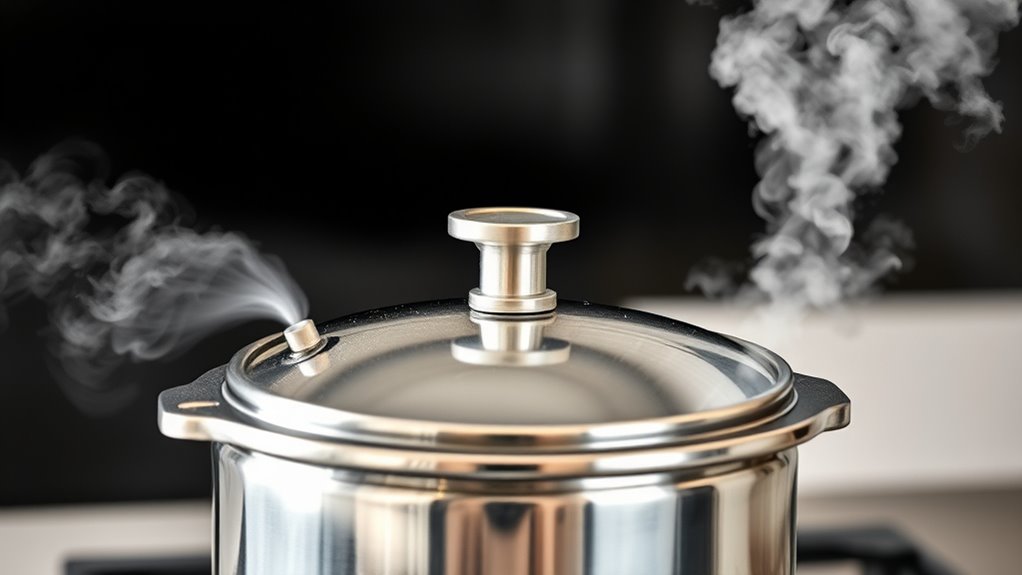
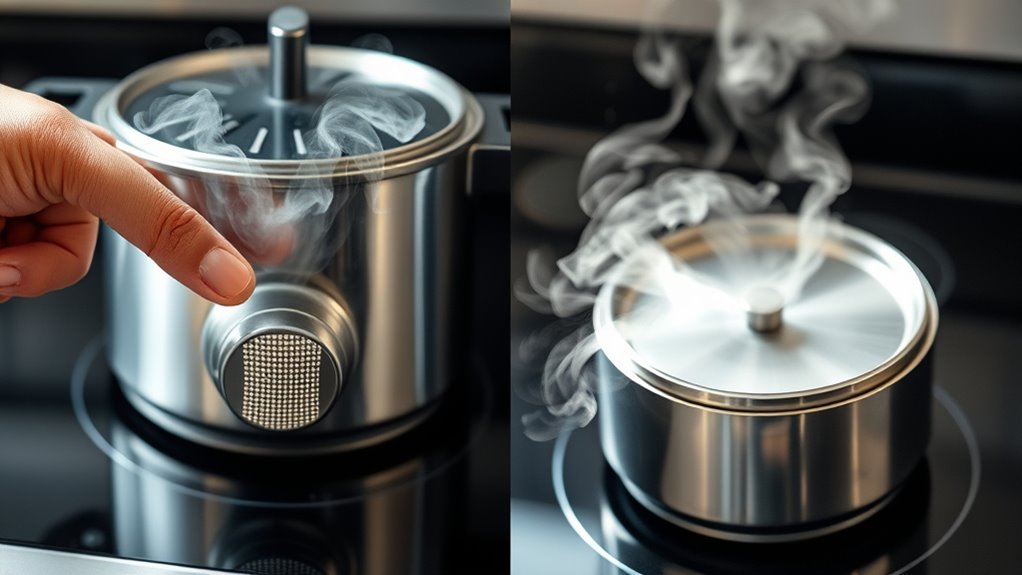
Have you ever wondered how pressure cookers release steam and pressure safely? Understanding the different release methods is key to ensuring your cooking is both safe and effective. When it comes to choosing between natural release and quick release, safety considerations and cooking times play vital roles. Natural release involves turning off the heat and letting the pressure decrease gradually as the cooker cools down naturally. This method is ideal for dishes that are delicate or contain ingredients that can overcook easily. It minimizes the risk of splattering hot liquid and steam, making it a safer option, especially when cooking foods like beans, grains, or tough meats that benefit from slow tenderization. Because the pressure drops gradually, it also helps preserve the texture and flavor of your dish. Additionally, understanding the pressure regulation process can help prevent accidents and ensure consistent results. However, keep in mind that natural release can take anywhere from 10 to 30 minutes depending on the amount of food and liquid inside, so it’s important to plan accordingly to avoid delays in your meal prep.
On the other hand, quick release is a faster method where you manually vent the steam immediately after cooking by turning or pressing a valve. This method considerably cuts down on cooking times, which can be advantageous when you’re short on time or preparing foods that are sensitive to overcooking. But be cautious—quick release isn’t suitable for all dishes. When you rapidly release pressure, hot steam and liquid can suddenly spray out, posing safety risks. That’s why safety considerations are essential here; always keep your face and hands away from the valve and use a utensil or oven mitt to turn it, if necessary. Additionally, quick release can sometimes result in uneven cooking or a loss of flavors, especially with foods that benefit from a gentle, gradual pressure drop. It’s best used for foods like vegetables or seafood, where overcooking is a concern, or when you need to stop the cooking process immediately to prevent mushiness.
Ultimately, choosing between natural and quick release depends on what you’re cooking and your priorities. If you value tender, flavorful results and have the time, natural release is usually the safer, more gentle option. When time is tight, or you want to prevent overcooking delicate foods, quick release can be your best choice—just always follow safety precautions to avoid accidents. By understanding the safety considerations and how each method impacts cooking times, you can confidently select the right release technique for every pressure cooking session.
pressure cooker natural release valve
As an affiliate, we earn on qualifying purchases.
As an affiliate, we earn on qualifying purchases.
Frequently Asked Questions
Can I Switch Between Release Methods During Cooking?
Yes, you can switch between release methods during cooking. Start with a natural release to allow pressure buildup gradually, then switch to quick release for rapid steam escape if needed. Just be cautious—changing methods can cause hot steam to escape suddenly, so use a utensil to vent carefully. This combination helps guarantee your food cooks properly while preventing overcooking or accidents from sudden pressure release.
How Do Release Types Affect Cooking Times?
Releasing pressure quickly interrupts the pressure buildup process, stopping the steam escape early and shortening cooking times. On the other hand, natural release allows steam to escape gradually, continuing the cooking process and often extending the overall time. If you need faster results, quick release is best, but for tender, well-cooked dishes, natural release guarantees all flavors develop without rushing the steam escape.
Are There Foods Better Suited for Quick Release?
Yes, foods like vegetables, seafood, and quick-cooking grains are better suited for quick release. Using quick release helps you achieve the desired cooking textures and preserves flavor retention, preventing overcooking. When you’re in a hurry or want to stop the cooking process immediately, quick release is ideal. It’s perfect for delicate foods that can lose their texture or flavor if cooked too long under pressure.
Is Natural Release Safer for All Recipes?
You might think natural release is safer for all recipes, but that’s not always true. Notably, it allows pressure buildup to gradually decrease, preventing sudden steam escape that could cause burns. While natural release is ideal for delicate foods, some recipes benefit from quick release to stop overcooking. Ultimately, choose based on your dish’s needs, but always follow manufacturer instructions for safety and best results.
What Are the Risks of Improper Release Technique?
If you improperly release pressure, you risk pressure safety issues and steam burns. Rapidly opening the lid or releasing pressure too quickly can cause hot steam and liquids to escape forcefully, leading to burns or accidents. Always follow proper release techniques to guarantee safe pressure safety. Wait for the pressure to decrease naturally or use the quick release method carefully to prevent injuries and keep yourself safe during cooking.
quick release pressure cooker accessory
As an affiliate, we earn on qualifying purchases.
As an affiliate, we earn on qualifying purchases.
Conclusion
Choosing between natural and quick release is like picking the right key for a lock—it depends on what you’re cooking. Natural release gently lets pressure fade away, preserving flavors and textures, while quick release is your speedy shortcut. Both are tools in your kitchen toolbox, ready to unseal delicious results. So, next time you cook with a pressure cooker, remember: selecting the right release is the key to perfectly prepared meals every time.
pressure cooker safety release valve
As an affiliate, we earn on qualifying purchases.
As an affiliate, we earn on qualifying purchases.
best pressure cooker for beans and grains
As an affiliate, we earn on qualifying purchases.
As an affiliate, we earn on qualifying purchases.
Halloween Picks
halloween
As an affiliate, we earn on qualifying purchases.