
Effective ice maker cleaning solutions address mineral buildup, odors, and bacteria, ensuring your machine stays in top shape. They dissolve deposits from hard water that can impair performance and reduce ice quality. Regular cleaning also prevents mold and biofilm growth, keeping your ice safe and the machine running smoothly. By using the right solutions consistently, you’ll extend your ice maker’s lifespan and maintain reliable function. Keep going to discover more tips to keep your ice maker in perfect condition.

Get kitchen staples and gadgets delivered free — and shop member deals
- Fast, free delivery on millions of items
- Access to Prime Big Deal Days deals on October 6–7
- Prime Video, Amazon Music and more included
Key Takeaways
- Remove mineral deposits and buildup that impair ice maker performance and efficiency.
- Eliminate odors and cloudy ice caused by bacterial growth and contamination.
- Restore proper water and airflow, preventing mechanical failures and ensuring consistent ice production.
- Prevent biofilm formation and maintain hygiene for safe, clean ice.
- Detect early issues through cleaning and testing, extending the appliance’s lifespan.
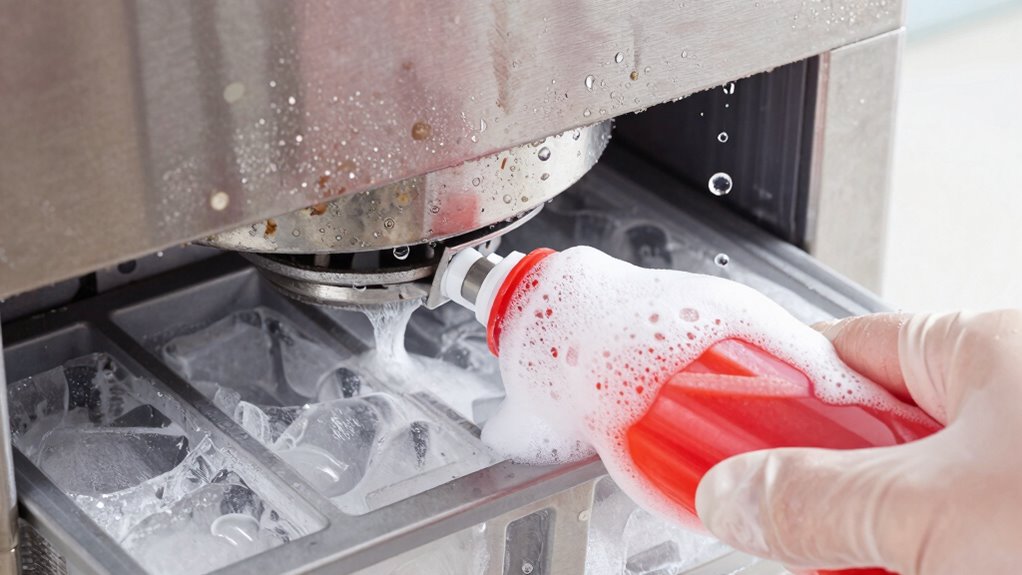
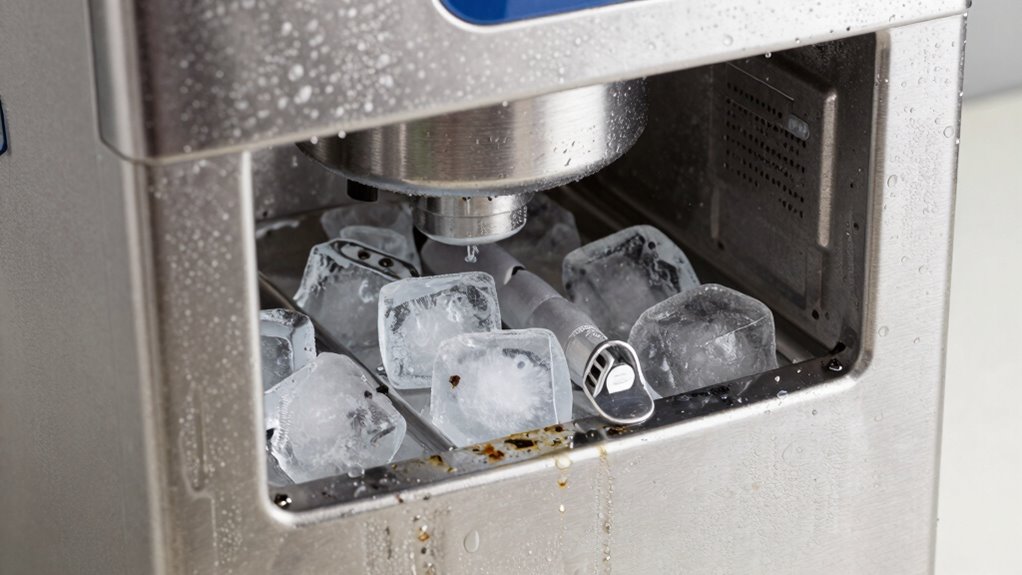
Have you noticed a strange odor or cloudy ice in your ice maker? If so, you’re likely dealing with more than just an aesthetic issue. These signs often point to underlying problems like ice buildup or poor water quality that can affect the performance of your machine and the safety of your ice. Regular cleaning solutions are designed to tackle these issues head-on, guaranteeing your ice maker functions efficiently and produces clean, fresh ice. When ice buildup occurs, mineral deposits from hard water settle along the interior surfaces, hindering the machine’s ability to operate smoothly. This buildup not only reduces the ice maker’s capacity but can also cause mechanical failures over time. A thorough cleaning with the right solutions dissolves these deposits, restoring proper airflow and water flow, which results in better ice production and extends the lifespan of your appliance. Proper maintenance also involves understanding commercial kitchen equipment to ensure all components are correctly cleaned and maintained. Additionally, using the correct cleaning solutions helps prevent the formation of biofilms, which can harbor bacteria and other contaminants that compromise ice safety. Regularly inspecting and maintaining your ice maker is essential to prevent clogged water lines and ensure optimal performance. Incorporating proper cleaning techniques can also help prevent the buildup of mineral deposits, which are common with hard water and can significantly impair your ice maker’s efficiency. Informed use of testing accuracy tools can also help identify issues early, ensuring consistent quality and safety of your ice.
As an affiliate, we earn on qualifying purchases.
Frequently Asked Questions
How Often Should I Clean My Ice Maker?
You should clean your ice maker every 3 to 6 months to prevent ice buildup and maintain water quality. Regular cleaning removes mineral deposits, mold, and bacteria that can accumulate over time. If you notice cloudy or foul-smelling ice, clean it sooner. Proper maintenance guarantees your ice maker produces clear, fresh ice and prolongs its lifespan. Frequent cleaning keeps your machine running efficiently and your ice safe to consume.
Can Homemade Cleaning Solutions Damage My Ice Maker?
Coincidences happen, but when it comes to DIY cleaning, homemade solutions can sometimes damage your ice maker if you’re not careful. You need to contemplate chemical safety, ensuring ingredients won’t corrode parts or leave residues. Using harsh or inappropriate cleaners might harm internal components, so stick to safe, gentle ingredients. Properly researched DIY methods protect your appliance and keep your ice clean without risking costly repairs.
Are There Eco-Friendly Cleaning Options Available?
Yes, eco-friendly cleaning options are available for your ice maker. You can use biodegradable cleaners and natural disinfectants, which effectively clean without harming the environment. These solutions break down easily and avoid harsh chemicals that could damage your machine or pose health risks. Switching to natural disinfectants not only keeps your ice maker hygienic but also supports sustainability, ensuring safe, clean ice while protecting the planet.
What Are the Signs My Ice Maker Needs Cleaning?
Did you know that a dirty ice maker can produce up to 20% less ice? You’ll notice signs like excessive ice buildup and unusual noises, which indicate it’s time to clean. These issues happen because mold, bacteria, or mineral deposits accumulate, clogging parts. If your ice isn’t clear or you hear strange sounds, don’t ignore these signs—they’re your cue to give your ice maker a thorough cleaning for better performance.
How Long Does a Typical Ice Maker Cleaning Take?
A typical ice maker cleaning takes about 20 to 30 minutes. During this process, you’ll remove ice buildup caused by mineral deposits and mold, which are often linked to poor water quality. You’ll empty the machine, clean all surfaces with a suitable cleaner, and run a rinse cycle. Regular cleaning helps prevent ice contamination, maintains efficiency, and guarantees your ice remains crystal clear and safe to use.
As an affiliate, we earn on qualifying purchases.
Conclusion
Remember, a clean ice maker keeps your drinks tasting fresh and your machine running smoothly. Using the right cleaning solutions prevents buildup, mold, and unpleasant odors. Don’t wait for problems to snowball—regular cleaning is your best bet. As the saying goes, “A stitch in time saves nine.” Stay proactive, clean often, and enjoy crystal-clear ice whenever you need it. Your future self will thank you for keeping things spotless!
hard water mineral deposit remover for ice makers
As an affiliate, we earn on qualifying purchases.
As an affiliate, we earn on qualifying purchases.
bacteria and biofilm removal for ice machines
As an affiliate, we earn on qualifying purchases.
As an affiliate, we earn on qualifying purchases.
NFL season / tailgating Picks
team gear
As an affiliate, we earn on qualifying purchases.