

If your KitchenAid Artisan Series 5 Quart Tilt Head Stand Mixer is making a persistent grinding noise, it can be both frustrating and concerning. This guide provides practical, step-by-step instructions to diagnose and fix common issues causing the noise, ensuring your mixer operates smoothly and safely. Proper maintenance and troubleshooting can extend the life of your mixer and prevent costly repairs.
Before starting, make sure your mixer is unplugged to ensure safety. Gather basic tools such as screwdrivers, a soft cloth, and possibly replacement parts if needed. Let’s dive into the troubleshooting process to get your KitchenAid back to optimal performance.
Key Takeaways
| Identify the noise source | Determine if the grinding is coming from the motor, gear, or attachment. |
| Check for debris or obstructions | Foreign objects or dried food can cause grinding sounds. |
| Inspect the gear and transmission | Worn or damaged gear components are common causes. |
| Lubricate moving parts if needed | Proper lubrication can reduce noise and wear. |
| Replace damaged parts promptly | Worn gears or bearings should be replaced for safe operation. |

KitchenAid Artisan Series 5 Quart Tilt Head Stand Mixer with Pouring Shield KSM150PS, Milkshake
Built to take it all on with the durable and built-to-last metal construction, and 59 touchpoints around the...
As an affiliate, we earn on qualifying purchases.
Step 1: Unplug and Inspect Your Mixer
- Always unplug your mixer from the power outlet before handling any internal parts.
- Remove the attachment (e.g., flat beater, dough hook) and the bowl.
- Visually inspect the attachment hub, gear area, and surrounding components for any visible debris, dried food, or foreign objects.
- Clean any debris with a soft cloth or brush to ensure nothing is obstructing the moving parts.
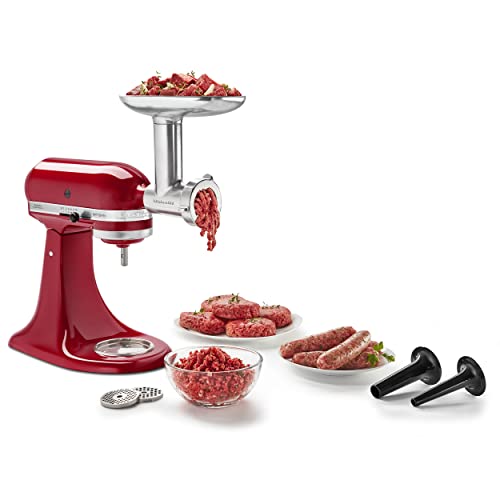
KitchenAid Stand Mixer Attachment, Food Grinder KSMMGA, Metal Food Grinder
Connect to any household KitchenAid Stand Mixer power hub and use the power of the motor to run...
As an affiliate, we earn on qualifying purchases.
Step 2: Check the Beater and Attachment Hub
- Ensure the attachment hub is properly seated and locked in place. A loose attachment can cause grinding sounds.
- Try rotating the attachment by hand to see if it moves smoothly or if there’s resistance.
- If the attachment is stuck or hard to turn, remove it and clean the hub and attachment for any buildup or damage.
Step 3: Examine the Gearbox and Transmission
Remove the mixer’s head (tilt it back) following the manufacturer’s instructions. Inspect the gears inside the head for signs of wear, damage, or debris. Worn or broken gears are often the cause of grinding noises.
If you see chipped or cracked gears, they will need replacing. For minor debris or lubrication issues, proceed to the next step.
Step 4: Lubricate Moving Parts
Apply a small amount of food-grade lubricant or a light machine oil to the gear shafts and moving parts. Avoid over-lubricating, as excess oil can attract dust and debris.
Reassemble the mixer and test it at low speed to see if the grinding noise persists.
Step 5: Replace Worn Components
If the grinding noise continues after cleaning and lubrication, consider replacing worn gears or bearings. Consult the manufacturer’s parts list or contact a professional repair service for genuine replacement parts.
Ensure the replacement parts are installed correctly and test the mixer thoroughly before regular use.
The Products in This Guide
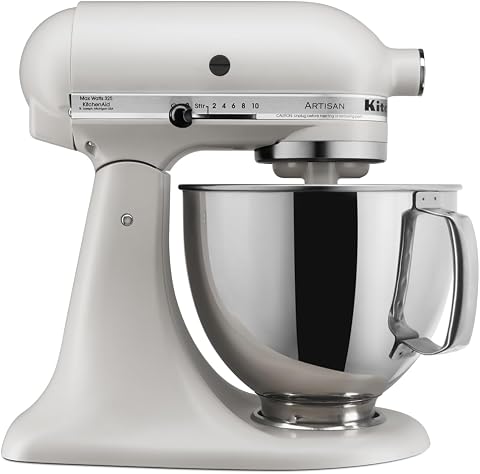
KitchenAid Artisan Series 5 Quart Tilt Head Stand Mixer
- ✔ Power: 325 watts
- ✔ Weight: 26 pounds
- ✔ Dimensions: 14 x 8 x 14 inches

KitchenAid Stand Mixer Attachment
- ✔ Compatibility: All KitchenAid stand mixers
- ✔ Material: Metal
- ✔ Includes: Multiple grinding plates
KitchenAid Artisan Series 5 Quart Tilt Head Stand Mixer
The KitchenAid Artisan Series 5 Quart Tilt Head Stand Mixer combines durability and versatility, making it a favorite for both novice and experienced bakers. Its metal construction and 59 touchpoints around the bowl ensure thorough mixing, and it handles heavy doughs with ease. Regular maintenance can help prevent issues like grinding noises.
Pros:
- Sturdy metal construction for long-lasting durability
- Powerful motor capable of handling dense doughs
- Tilt-head design for easy access
- Multiple speed settings for versatile tasks
Cons:
- Can be heavy and cumbersome to move
- Gears may wear out over time if not maintained
- Noise levels can vary with heavy loads
Best for: Ideal for baking enthusiasts who need a reliable, high-capacity mixer.
Not ideal for: Not suitable for those seeking a lightweight or compact mixer.
Bottom line: A durable, versatile stand mixer that benefits from regular maintenance to prevent grinding issues.
KitchenAid Stand Mixer Attachment
The KitchenAid Stand Mixer Food Grinder attachment transforms your mixer into a powerful food processor for grinding meats, vegetables, and more. It’s built with durable metal components and offers multiple grinding plates and sausage stuffer tubes, making it a valuable addition for those who want to diversify their culinary options.
Pros:
- Sturdy metal construction for heavy-duty use
- Includes multiple grinding plates
- Easy to connect and use with the power hub
- Cleans quickly with included brush
Cons:
- Additional cost for attachment
- Requires space for storage
- Needs pre-chilling for optimal grinding
Best for: Home cooks wanting to make fresh ground meats and produce.
Not ideal for: Not suitable for light or infrequent use.
Bottom line: A durable, versatile attachment that expands your mixer’s capabilities, perfect for fresh grinding tasks.
Frequently Asked Questions
Why is my KitchenAid mixer making a grinding noise?
Grinding noises can be caused by debris, worn gears, or lack of lubrication within the transmission or attachment hub. Inspecting and addressing these issues can often resolve the problem.
Can I fix the grinding noise myself?
Yes, many issues can be fixed with simple cleaning, lubrication, or replacing worn parts. However, for complex gear replacements, consider consulting a professional or contacting KitchenAid support.
How often should I lubricate my mixer?
Lubrication should be done during routine maintenance or if you notice increased noise or resistance. Refer to your user manual for specific lubrication points and recommended products.
When should I replace internal gears?
If you see chipped, cracked, or excessively worn gears during inspection, it’s best to replace them to ensure safe and quiet operation.
Is it safe to continue using my mixer if it makes a grinding noise?
No, continued use may cause further damage. Unusual noises should be addressed promptly to prevent more costly repairs or safety hazards.
Keep Your KitchenAid Running Smoothly
Regular maintenance and attentive troubleshooting can extend the life of your KitchenAid Artisan stand mixer. By inspecting internal components, cleaning debris, lubricating moving parts, and replacing worn gears, you can eliminate grinding noises and keep your mixer performing at its best. If you’re uncomfortable performing repairs yourself, consult a professional for assistance to ensure safety and proper operation.
Affiliate disclosure: As an Amazon Associate we earn from qualifying purchases. Prices and availability are accurate as of the time of publishing.