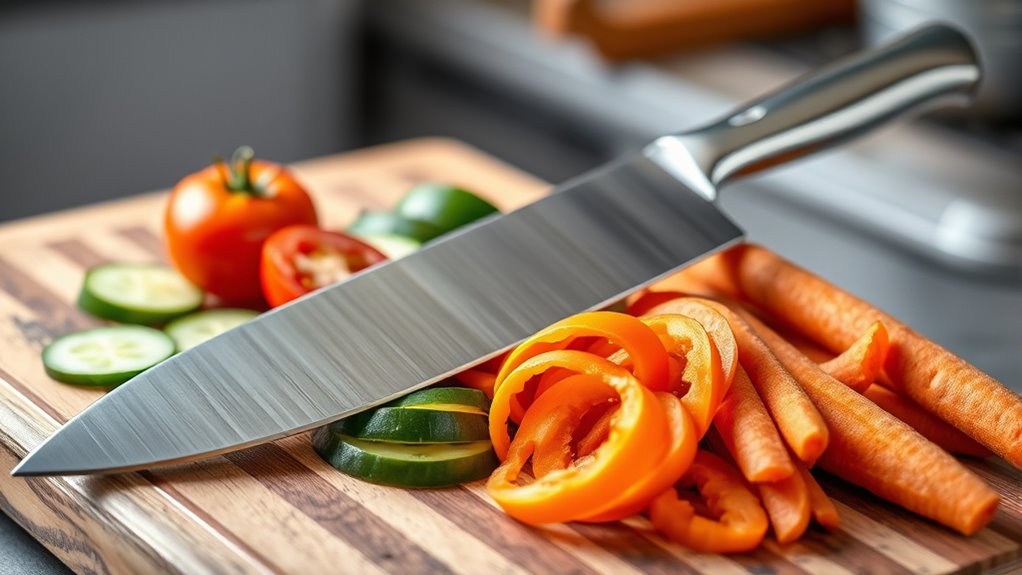

Expensive chef’s knives are worth considering if you value sharpness, durability, and comfort in your kitchen. They’re crafted with high-quality materials that stay sharp longer and provide better control, making prep work easier and more precise. While they cost more upfront, their longevity and performance often justify the investment. If you want to learn which features make them stand out and how to care for them, there’s more to explore below.

Get kitchen staples and gadgets delivered free with Prime
- Fast, free delivery on millions of items
- Prime Video, Amazon Music and more included
- Member-only deals all year
Key Takeaways
- High-quality materials and craftsmanship ensure better durability, sharpness, and long-term performance for home use.
- Expensive knives offer superior balance and precision, making cutting tasks easier and more enjoyable.
- Proper maintenance extends lifespan and preserves the knife’s sharpness, maximizing value over time.
- They can be a worthwhile investment for frequent cooks who value efficiency and safety in the kitchen.
- Budget-friendly options can still provide good performance, but premium knives often deliver enhanced control and longevity.
As an affiliate, we earn on qualifying purchases.
What Sets High-End Chef’s Knives Apart?
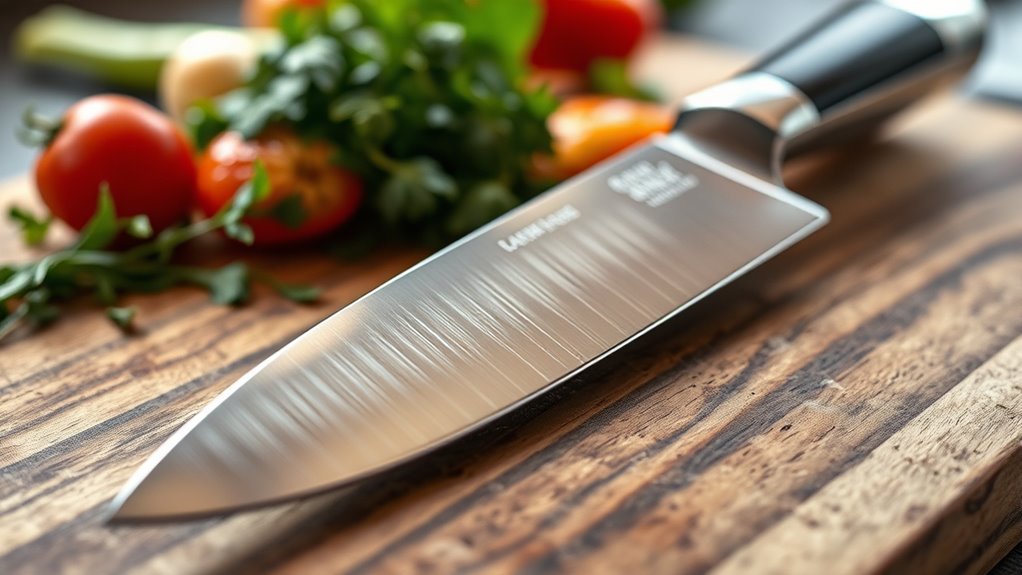
High-end chef’s knives stand out because they are crafted with superior materials and meticulous attention to detail. Their blade design is carefully engineered for ideal balance, weight, and sharpness, making each cut precise and effortless. You’ll notice the craftsmanship in the way the blade tapers and the quality of the edge retention, which stays sharp longer than cheaper alternatives. Brand reputation also plays a vital role; trusted brands are known for consistent quality and rigorous standards, giving you confidence in your investment. These knives often feature handcrafted elements and high-grade steel, ensuring durability and performance over time. When you choose a high-end knife, you’re investing in a tool that elevates your cooking experience through superior design and a reputable name behind it, with craftsmanship being a hallmark of quality in these premium tools. Additionally, many premium knives are made with regional expertise, which can influence the design and performance of the tool. The careful selection of materials and production processes also contributes significantly to their longevity, making them a worthwhile investment for dedicated home cooks. Furthermore, the precise manufacturing techniques used in high-end knives often incorporate advanced steel alloys, enhancing their corrosion resistance and edge strength.
As an affiliate, we earn on qualifying purchases.
Performance and Precision in the Kitchen

When you use a high-end chef’s knife, you’ll notice its exceptional sharpness and how well it retains its edge over time. This means you can cut with confidence and accuracy, giving you better control for every task. Ultimately, these qualities elevate your cooking experience and help you achieve more precise results. Additionally, a quality knife often features a well-balanced design, which reduces fatigue during extended prep sessions. Proper material quality also contributes to durability and ease of maintenance, ensuring your investment lasts for years. For those interested in environmentally conscious choices, many premium knives are crafted with sustainable practices in mind.
Sharpness and Edge Retention
Sharpness and edge retention are crucial factors that determine how effectively a chef’s knife performs in the kitchen. A well-designed blade geometry ensures your knife can slice smoothly without much effort, maintaining a sharp edge longer. High-quality steels used in expensive knives resist dulling, so you won’t need to sharpen as often. Handle design also plays a role; a comfortable, balanced handle helps you apply consistent pressure, reducing unnecessary stress on the edge. Proper weight distribution allows for precise control and minimizes blade wobble, which can dull the edge faster. When both blade geometry and handle design are optimized, your knife stays sharper longer and delivers cleaner cuts, making your prep work more efficient and enjoyable. Advances in material science continue to influence how modern knives are manufactured, further enhancing their performance and durability. Additionally, blade maintenance practices, such as proper honing and sharpening techniques, are essential for preserving the sharpness over time. Using appropriate tools like honing rods can help maintain the blade’s edge between sharpenings. Maintaining the correct blade angle is also vital for optimal edge retention and performance. To maximize the benefits of these design features, some manufacturers incorporate jewel steel in their blades, which can further improve edge retention and corrosion resistance.
Cutting Accuracy and Control
A well-balanced chef’s knife gives you the precision and control needed to execute accurate cuts. The blade design plays a vital role, with a well-crafted profile helping you slice smoothly and steadily. Thinner, tapered blades allow for more precise, delicate cuts, while a sturdy, full-tang construction offers stability. Handle material also impacts control; materials like wood or high-quality composite provide a comfortable, secure grip, reducing slipping during detailed work. An ergonomic handle minimizes fatigue, so you can maintain accuracy throughout your prep. When your knife’s blade design aligns with your cutting style and the handle feels natural in your hand, you’ll find yourself making cleaner, more consistent cuts. That’s the key to mastering precision in your kitchen. Additionally, color accuracy in your tools ensures your work consistently meets high standards of visual clarity and detail. Proper blade sharpness also plays a crucial role in achieving precise cuts, making your work easier and more efficient. Paying attention to the material quality of your knife can also influence its durability and long-term performance, especially when combined with proper storage to prevent dulling.
As an affiliate, we earn on qualifying purchases.
Durability and Longevity of Expensive Knives
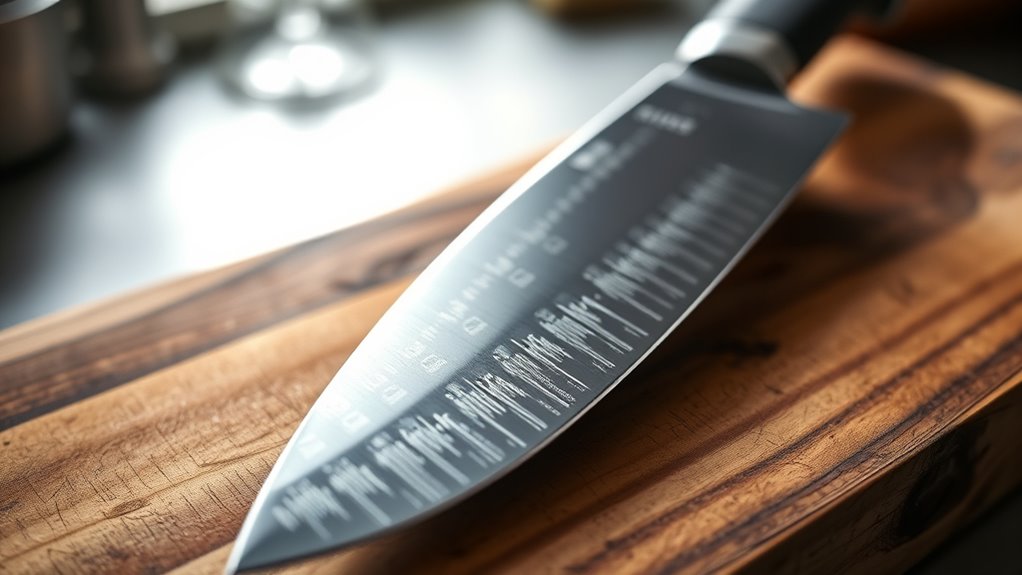
The durability of your expensive knife depends heavily on its material strength and quality. Proper maintenance and care can considerably extend its lifespan, ensuring it stays sharp and reliable. Understanding these factors helps you make the most of your investment in a high-quality kitchen tool. For example, selecting knives with high-quality materials such as carbon steel or Japanese VG-10 can enhance their resilience and longevity over time. Additionally, choosing knives with robust construction can further improve their ability to withstand regular use without damage. Regular honing and proper storage are also essential in maintaining the integrity of the blade and preventing unnecessary wear, which ultimately contributes to the long-term performance of your knives.
Material Strength and Quality
Because of the high-quality materials used in their construction, expensive chef’s knives are built to last. These knives often feature blades made from premium stainless steel or high-carbon alloys, ensuring exceptional strength and edge retention. The blade aesthetics, such as polished finishes or intricate patterns, reflect the craftsmanship and attention to detail, adding both beauty and durability. A reputable brand’s reputation also guarantees that rigorous standards were met during manufacturing, resulting in a sharper, more resilient knife. You’ll notice that these materials resist chipping, corrosion, and dulling over time, maintaining their cutting performance longer than cheaper alternatives. This combination of superior material strength and brand integrity makes investing in an expensive knife a wise choice for long-term kitchen reliability.
Maintenance and Care Needs
Maintaining the quality of expensive chef’s knives requires regular care to preserve their sharpness and structural integrity. Proper storage solutions, like a magnetic strip or a knife block, prevent damage and reduce dulling caused by knocking or friction. You should also implement effective sharpening techniques, such as honing regularly with a honing rod and professionally sharpening when needed. Avoid dishwasher cleaning, which can corrode blades, and always hand wash with mild soap and dry promptly. Honing realigns the edge, extending intervals between sharpenings, while professional sharpening restores a razor-sharp edge when necessary. Consistent maintenance ensures your investment lasts longer, keeping your knives performing at their best for years to come. Proper care directly impacts their durability and longevity.
premium stainless steel chef knife
As an affiliate, we earn on qualifying purchases.
As an affiliate, we earn on qualifying purchases.
Comfort and Ergonomics for Extended Use
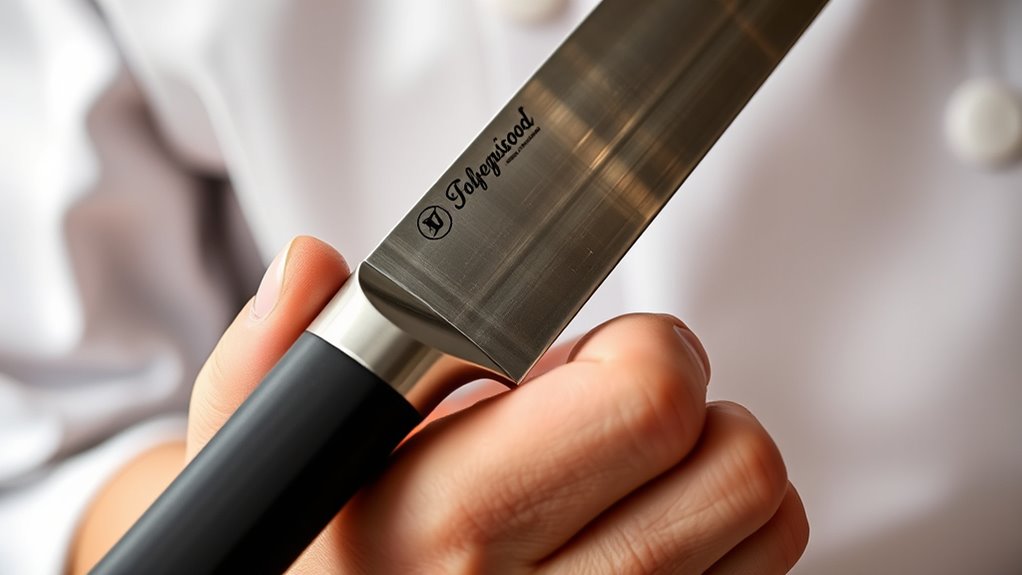
While investing in an expensive chef’s knife can elevate your cooking, paying attention to comfort and ergonomics guarantees you can use it for extended periods without fatigue. Look for knives with ergonomic handles that fit comfortably in your hand, reducing strain during prolonged chopping or slicing. Blade contouring also plays a key role, ensuring the knife moves smoothly through ingredients without requiring excessive force. A well-designed handle provides a secure grip, helping you maintain control and precision. The balance between the handle and blade is vital, preventing wrist fatigue. When choosing a high-quality knife, test how it feels during use—comfort isn’t just a luxury, it’s essential for consistent, safe, and enjoyable cooking sessions. Additionally, considering ergonomic design principles like proper weight distribution can contribute to a more comfortable and efficient cutting experience.
Cost-Benefit Analysis: Are They Worth the Investment?

Are expensive chef’s knives truly worth the investment compared to their more affordable counterparts? To decide, consider the cost comparison and brand reputation. High-end knives often cost more upfront but can last a lifetime with proper care. They’re crafted from premium materials, offering sharper edges and better balance. Cheaper knives may require frequent sharpening or replacement. The table below summarizes these points:
| Aspect | Expensive Knives | Budget-Friendly Knives |
|---|---|---|
| Cost Comparison | Higher initial investment | Lower initial cost |
| Brand Reputation | Known for quality and durability | Varies, often less established |
If you value longevity and performance, the investment may be justified. Otherwise, budget options can serve well for casual use.
Alternatives for Budget-Conscious Home Cooks

If investing in an expensive chef’s knife isn’t within your budget, you can still find effective options that won’t break the bank. Look for budget options that deliver good performance and durability. Many brands offer beginner friendly knives that are easy to handle and maintain, making them perfect for home cooks just starting out. Ceramic knives, for example, are affordable and sharp, while stainless steel options provide a balance of quality and price. Consider purchasing a reputable but less costly brand known for reliable blades. You don’t need to spend a fortune to get a knife that improves your prep work and kitchen experience. With the right choice, you’ll enjoy cooking without feeling restricted by your budget.
Maintenance and Care of Premium Knives

Proper maintenance and care are essential to keep your premium knives performing at their best and lasting for years. Regular sharpening techniques ensure your blades stay sharp and effective. Use a whetstone or honing rod to maintain a fine edge, avoiding electric sharpeners that can damage delicate blades. Proper storage solutions prevent accidents and blade dulling; consider a magnetic strip or a knife block with individual slots. Here’s a quick guide:
| Storage Solution | Benefits | Best For |
|---|---|---|
| Magnetic strip | Easy access, saves space | Daily use |
| Knife block | Protects blades, safe storage | General storage |
| Protective sheaths | Travel, safe transport | On-the-go or storage |
Investing in good care extends your knives’ lifespan and performance.
Making the Right Choice for Your Cooking Style

Choosing the right chef’s knives depends heavily on your cooking style and the types of dishes you prepare most often. If you focus on precision and delicate slicing, a lightweight, nimble knife may suit you best. For hearty chopping or heavy-duty tasks, consider a more robust, balanced blade. Your choice impacts food safety; sharper knives reduce the risk of slips and accidents. Think about storage solutions, too—storing your knives properly prevents damage and keeps blades sharp longer. If you cook frequently, investing in versatile, high-quality knives can streamline your prep work and maintain safety. Ultimately, select a knife that complements your routine, feels comfortable in your hand, and aligns with your culinary needs. This guarantees you get the most value from your investment while enjoying safer, more efficient cooking.
Frequently Asked Questions
How Do Expensive Knives Impact Cooking Speed and Efficiency?
Expensive knives boost your cooking speed and efficiency by providing better blade stability and cutting accuracy. When your knife feels balanced and sharp, you can slice through ingredients smoothly, reducing prep time. You won’t struggle with uneven cuts or blade wobbling, which means you work faster and more precisely. Overall, investing in quality knives helps you cook more efficiently, making your kitchen tasks easier and more enjoyable.
Can a High-End Chef’s Knife Improve Culinary Creativity?
A high-end chef’s knife can boost your culinary creativity by making precise cuts and inspiring confidence in your skills. It allows you to explore different techniques influenced by various cultures, enhancing your dishes’ authenticity and presentation. Ultimately, it depends on your personal preference—if you value quality and comfort, investing in an expensive knife might open new creative possibilities in your cooking journey.
Are There Specific Cuisines Where Expensive Knives Make a Difference?
Think of your kitchen as a time machine—certain cuisines, like Japanese sushi or French patisserie, truly benefit from expensive knives. High-quality knife blade materials, like VG10 steel or carbon steel, enable precision that matches cultural culinary techniques. For intricate slicing or delicate work, investing in a premium knife makes a noticeable difference. You’ll find that these knives elevate your skills, especially when preparing cuisines that demand finesse and exactness.
Do Expensive Knives Require Special Storage Solutions?
Yes, expensive knives do require special storage solutions to keep them sharp and safe. You should use knife storage options like a magnetic strip, a knife block, or a dedicated sheath to prevent damage and reduce the risk of accidents. Proper knife storage also maintains your knife’s edge and promotes knife safety by keeping blades protected and out of reach of children. Investing in good storage is essential for preserving your high-quality knives.
How Does Knife Maintenance Differ for Premium Versus Budget Options?
You need to tailor your knife maintenance based on whether you have a premium or budget option. For premium knives, focus on regular blade sharpening to keep edges sharp, and handle care to prevent damage from moisture or oils. Budget knives may require less frequent sharpening but still benefit from proper handle cleaning. Always store them properly to avoid dulling or chipping, and handle each with care to extend their lifespan.
Conclusion
Ultimately, investing in a high-end chef’s knife can elevate your cooking, offering better precision and comfort. But remember, “you get what you pay for.” If you cook often and value quality, it’s worth the splurge. If not, there are solid budget options that do the job. The key is choosing what fits your style and needs. After all, a great knife is only as good as the hand wielding it.
Halloween Picks
halloween
As an affiliate, we earn on qualifying purchases.