
🔍 Read the full analysis: Strangolapreti: Trentino's Spinach-and-Bread Dumplings With Sage Butter on Mad Tasting

Get kitchen staples and gadgets delivered free with Prime
- Fast, free delivery on millions of items
- Prime Video, Amazon Music and more included
- Member-only deals all year
TL;DR
Strangolapreti are rustic dumplings from Trentino, Italy, made with stale bread, cooked greens, milk, eggs and grated cheese. The dish is commonly served with butter, sage and more cheese; the exact recipe varies, and the name’s origin is uncertain.
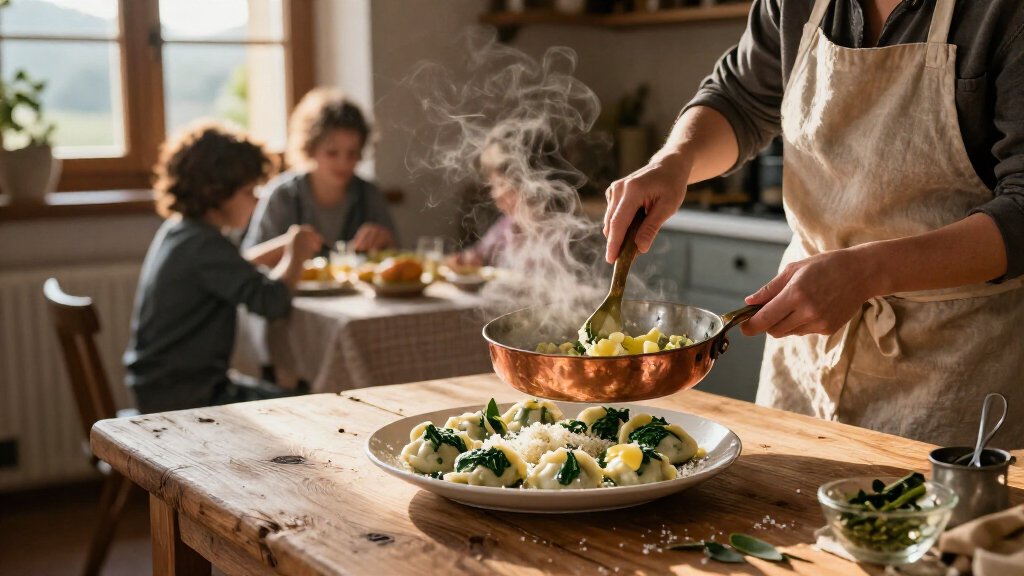
Strangolapreti, a rustic specialty from Trentino in northern Italy, turn stale bread and cooked greens into soft dumplings typically served with sage butter and grated cheese, according to a cooking guide from Mad Tasting. The guide describes how to prepare and test the mixture before cooking a full batch, a practical step because bread and greens can hold very different amounts of moisture.
The dumplings are generally made from stale bread softened in milk, cooked spinach or chard, eggs and grated cheese. Cooks shape the mixture into balls or ovals and simmer them in water. The finished dumplings should be tender while holding their shape, then are dressed with butter, sage and additional cheese. Recipes vary between households, including the choice of greens, bread and cheese.
The guide recommends using firm, plain bread and adding milk gradually, since drier bread absorbs more liquid. Greens should be cooked, finely chopped and squeezed or pressed to remove excess water. If the mixture remains too loose to shape, a little flour or breadcrumbs may help. The source advises shaping and cooking one test dumpling before forming the rest, then adjusting the mixture if the test falls apart.
Strangolapreti differ from potato gnocchi mainly in their base: these dumplings center on bread and greens, while potato gnocchi are usually made with potatoes. Their flavor is described as mild and savory, with earthy greens, fragrant sage butter and a salty, nutty contribution from the cheese. The source notes that eggs and dairy are common allergens and that bread may contain wheat or gluten.
Strangolapreti Bread, greens and sage butter
These rustic dumplings turn stale bread and cooked greens into a tender meal. A test dumpling helps cooks adjust the mixture before making the full batch.
What goes into the dumplings
Recipes vary by household, but the bread based mixture has a familiar core.
Bread and greens
Stale bread softened with milk combines with cooked, finely chopped spinach or chard.
Eggs and cheese
Eggs and grated cheese help the mixture hold its shape.
Sage butter
Cooked dumplings are dressed with butter, sage and more grated cheese.
From mixture to finished dish
Soften firm, plain bread with milk added gradually. Cook, finely chop and press excess water from the greens.
Combine with eggs and cheese, then simmer one dumpling to check whether it holds together.
If it falls apart, adjust the mixture with a little flour or breadcrumbs, then test again. Shape and cook the rest, and finish with sage butter and cheese.
Bread dumplings or potato gnocchi?
| Dish | Main base | Cooking |
|---|---|---|
| Strangolapreti | Bread and greens | Boiled |
| Potato gnocchi | Usually potatoes | Boiled |
A name with an uncertain story
The name is roughly translated as “priest stranglers.” The tale about priests eating too many dumplings is food lore; its origin is not confirmed.
A Practical Use for Stale Bread
The dish shows how a few everyday ingredients can form a filling meal without relying on a single fixed recipe. Stale bread provides structure, while greens contribute flavor and moisture; eggs and cheese help bind the mixture. For home cooks, the method offers a way to use leftover bread and cooked greens while making the texture adjustable before the entire batch is cooked.
The test dumpling is a useful safeguard rather than a guarantee: if it breaks apart, the mixture may need more binding or less moisture. That matters because the ingredients are variable, especially bread that has dried to different degrees and greens that retain water after cooking. The guide’s advice centers on observing the mixture and correcting it in small steps.
The dish also carries regional identity. Its ingredients and preparation connect it to Trentino’s home cooking, though the source does not claim that every household follows the same formula. For readers outside the region, the method can be adapted with available greens and hard cheese, while retaining the bread-based character.
Products Worth Considering

Cuisinart Tabletop Propane Patio Heater, 11,000 BTU, Gray

Cuisinart Chef's Classic Stainless Steel Cookware Set, 11-Piece

Ninja PossibleCooker PRO 8-in-1 Multi-Cooker, 8.5-Qt, Sea Salt Gray, MC1001
As an affiliate, we earn on qualifying purchases.
Trentino’s Bread-Based Dumplings
Trentino is in northern Italy, and the source places strangolapreti among the region’s rustic, resourceful dishes. The recipe uses ingredients that can be kept or reused—bread, milk, greens, eggs and cheese—rather than requiring a single specialized ingredient. The source characterizes Alpine cooking as favoring hearty dishes, but does not provide a detailed history of the dumplings or document how the recipe developed.
The name is commonly translated roughly as “priest stranglers.” A story links it to priests who supposedly ate too many dumplings, but the guide says the origin is uncertain and treats the anecdote as food lore, not established history. The name is therefore memorable, but it should not be presented as a verified account of the dish’s origins.
Strangolapreti and potato gnocchi are both boiled dumplings, but their principal ingredients differ. The source uses that comparison to explain why strangolapreti are a natural option when stale bread and greens are available. It also cautions that both dishes vary by recipe, so the distinction is a general guide rather than a rule covering every version.
““The name means roughly ‘priest stranglers.’””
— Mad Tasting
Recipe Variations and Origins
The source does not give one definitive regional formula, and it says households vary the bread, greens and cheese. It also does not establish the historical origin of the name or verify the story about priests. The guide offers a cooking method, but it does not specify a single set of ingredient quantities in the supplied material, so proportions and cooking time may depend on the ingredients used.
Whether a particular batch holds together cannot be known from the ingredient list alone. Bread dryness and residual water in the greens affect the mixture, which is why the source recommends testing one dumpling first. The guide does not provide nutrition information or a food-safety temperature for this preparation.
Check the Mixture Before Cooking
For anyone following the guide, the next step is to soften the bread with milk, prepare and thoroughly drain the greens, then combine them with eggs and grated cheese. Shape a single dumpling and simmer it as a test. If it keeps its shape, form the remaining mixture; if it falls apart, adjust the consistency with a small amount of flour or breadcrumbs before testing again.
Once cooked, serve the dumplings with melted butter, sage and grated cheese. Keep the recipe’s flexibility in mind: the source describes a traditional preparation and practical technique, not a fixed regional standard. Choose a cheese that suits your needs and check labels if avoiding animal rennet, wheat or gluten. Eggs and dairy are common allergens in the dish.
Key Questions
What are strangolapreti?
Strangolapreti are dumplings associated with Trentino in northern Italy. They are usually made with stale bread, cooked greens, milk, eggs and grated cheese, then served with butter and sage.
How are strangolapreti different from potato gnocchi?
The main difference is the base: strangolapreti are generally built around bread and greens, while potato gnocchi are usually based on potatoes. Both are boiled dumplings, and recipes for each can vary.
Why should I cook a test dumpling?
A test helps show whether the mixture will hold together in water. Bread dryness and moisture left in the greens can change the texture, so the source recommends cooking one dumpling before shaping and simmering the full batch.
What allergens may be in strangolapreti?
The preparation commonly contains eggs and dairy, and the bread may contain wheat or gluten. Check ingredient labels and choose suitable alternatives if you need to avoid any of these.
Does the name’s story have a confirmed origin?
No confirmed origin is provided in the source. The name is translated roughly as “priest stranglers,” and the accompanying tale about priests eating too many dumplings is presented as uncertain food lore.
Source: Mad Tasting