One of the biggest mistakes you can make is neglecting regular maintenance, like cleaning filters or vents, which can cause dust buildup and reduce efficiency. Using harsh or improper cleaning products can harm sensitive parts, while forgetting to unplug appliances risks damage or electrical issues. Overloading machines or not following proper usage also shortens lifespan. If you want to avoid costly repairs, it’s important to understand these common errors—keep going to learn how to protect your appliances.

Get kitchen staples and gadgets delivered free — and shop member deals
- Fast, free delivery on millions of items
- Access to Prime Big Deal Days deals on October 6–7
- Prime Video, Amazon Music and more included
Key Takeaways
- Neglecting regular maintenance, like cleaning filters and vents, reduces appliance efficiency and shortens lifespan.
- Using harsh or inappropriate cleaning products can damage sensitive components and surfaces.
- Forgetting to unplug or turn off appliances before cleaning risks electrical damage and safety hazards.
- Overloading or misusing appliances causes strain, inefficiency, and faster wear and tear.
- Ignoring safety precautions and proper maintenance can lead to costly repairs or appliance failure.
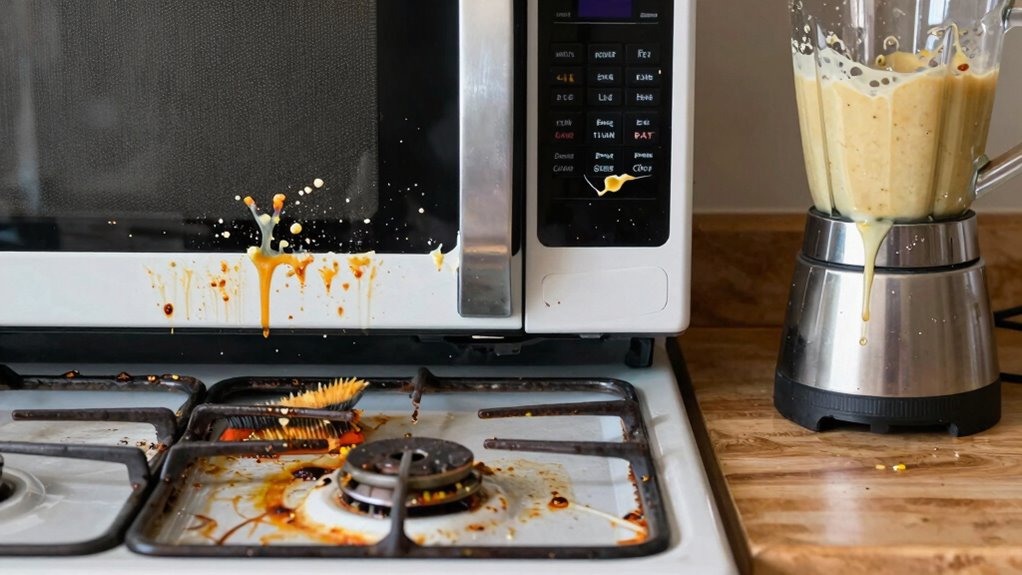
Cleaning appliances might seem straightforward, but many people unknowingly make mistakes that can damage their devices or reduce their efficiency. One common error is neglecting regular maintenance, such as not cleaning filters, vents, or coils. Over time, dust, dirt, and debris build up, which can hinder an appliance’s performance and shorten its lifespan. When filters are dirty, your appliances have to work harder, using more energy to do the same job. This not only wears out parts faster but also decreases energy efficiency, leading to higher utility bills. By staying on top of routine cleaning, you help guarantee your appliances run smoothly longer, saving you money and hassle down the line.
Regular maintenance of filters, vents, and coils boosts appliance efficiency and extends lifespan.
Another mistake people make is using the wrong cleaning products. Harsh chemicals or abrasive cleaners can damage sensitive components, especially in dishwashers, washing machines, and refrigerators. For example, using bleach or strong detergents in a dishwasher can corrode internal parts over time. Similarly, applying abrasive scrubbers on stainless steel appliances can scratch surfaces, making them look dull and reducing their lifespan. Instead, opt for gentle, appliance-specific cleaners and follow manufacturer instructions. Proper cleaning not only preserves the appearance but also keeps appliances functioning at their best, maintaining their energy efficiency.
Many forget to unplug or turn off appliances before cleaning. This might seem like a minor detail, but it’s vital for safety and preventing damage. When appliances are powered on during cleaning, you risk short circuits or accidental damage to electronic controls. Additionally, some parts, like motors or electronic panels, can be sensitive to water or cleaning agents. Turning off and unplugging appliances ensures you can clean thoroughly without risking electrical issues, ultimately extending their life and keeping energy consumption at a minimum. Regular maintenance routines can also prevent the buildup of dust and debris, which is essential for optimal appliance performance. Being aware of the importance of safety precautions during cleaning can further protect both your appliances and yourself. Moreover, understanding the proper maintenance practices can help you identify potential issues before they become costly repairs. Using correct cleaning techniques is also crucial to avoid damaging delicate parts or voiding warranties.
Overloading or misusing appliances is another frequent mistake. Overloading a washing machine or dishwasher forces the motor and other components to work harder, increasing wear and tear. It can also prevent proper cleaning and cause water or detergent to remain trapped, leading to mold, odors, or damage. Properly loading and using appliances as intended helps maintain their efficiency and prolongs their lifespan. When appliances operate as designed, they consume less energy, perform better, and last longer. Additionally, understanding and properly maintaining appliances can significantly improve their longevity and performance.
As an affiliate, we earn on qualifying purchases.
Frequently Asked Questions
Can Using Harsh Chemicals Damage My Appliances?
Yes, using harsh chemicals can damage your appliances. These chemicals can cause unwanted chemical reactions, leading to corrosion or deterioration of appliance surfaces. Over time, this damage can reduce their lifespan and efficiency. To protect your appliances, always use gentle cleaning products recommended by manufacturers. Avoid abrasive or highly acidic cleaners, and regularly check labels to make certain you’re not risking appliance corrosion or other damage.
How Often Should I Clean Specific Appliances?
You should clean your refrigerator every three to four months to keep it in top shape. For example, Sarah’s neglected fridge developed mold, leading to costly repairs. Regular appliance maintenance, following a cleaning schedule, prevents buildup and prolongs lifespan. Make it a habit to wipe down surfaces weekly and deep clean quarterly. Consistent cleaning keeps appliances efficient, safe, and looking new, saving you money and stress in the long run.
Are DIY Cleaning Solutions Safe for All Appliances?
DIY cleaning solutions can be safe for many appliances if you choose eco-friendly options and natural remedies. However, you should always check your appliance’s manufacturer instructions before using homemade cleaners, as some ingredients like vinegar or baking soda might damage certain materials. When in doubt, test a small area first or opt for commercial cleaners designed specifically for that appliance. This way, you keep your appliances safe while being environmentally conscious.
What Are Common Signs of Appliance Damage From Cleaning?
Like a canary in a coal mine, signs of appliance damage from cleaning appear early. You might notice strange noises, leaks, or reduced efficiency, signaling your appliance’s lifespan is at risk. Over-cleaning or improper cleaning frequency can accelerate wear and tear. Keep an eye out for these signs, and remember, gentle cleaning preserves your appliances longer, preventing costly repairs and extending their useful life.
Is It Better to Hire Professional Cleaning Services?
Hiring professional cleaning services is often better, especially when you want eco-friendly cleaning and proper appliance maintenance. Professionals use safe, eco-friendly products that won’t harm your appliances or environment. They know how to clean thoroughly without causing damage, saving you time and preventing costly repairs. Plus, regular professional cleaning extends your appliance’s lifespan, ensuring it runs efficiently. So, if you value your appliances and the planet, professional services are a smart choice.
vent and coil cleaning brushes for appliances
As an affiliate, we earn on qualifying purchases.
As an affiliate, we earn on qualifying purchases.
Conclusion
Now that you know the biggest cleaning mistakes, imagine what could happen if you keep repeating them. Are your appliances truly spotless, or are hidden issues lurking beneath the surface? The next time you reach for your cleaning supplies, remember these pitfalls. A simple mistake today could lead to costly repairs tomorrow. Stay vigilant, clean smart, and you might just uncover a surprising secret that keeps your appliances running like new—what could it be?
gentle dishwasher cleaning products
As an affiliate, we earn on qualifying purchases.
As an affiliate, we earn on qualifying purchases.
appliance safety unplugging tools
As an affiliate, we earn on qualifying purchases.
As an affiliate, we earn on qualifying purchases.
NFL season / tailgating Picks
team gear
As an affiliate, we earn on qualifying purchases.