
Appliance warranties typically cover defects in materials or workmanship for a set period, giving you peace of mind. However, they usually don’t include damage from misuse, accidents, or normal wear and tear like filters or bulbs. External damages, improper installation, and unauthorized repairs are also excluded. To make sure you’re protected, understand your warranty’s limits and options for extended coverage. If you want to learn more about what’s truly covered, keep exploring the details.

Get kitchen staples and gadgets delivered free with Prime
- Fast, free delivery on millions of items
- Prime Video, Amazon Music and more included
- Member-only deals all year
Key Takeaways
- Warranties cover defects in materials or workmanship within a specified period after purchase.
- They typically exclude damage caused by misuse, neglect, accidents, or external environmental factors.
- Routine maintenance, normal wear and tear, and external damages are generally not covered.
- Extended plans can offer additional protection beyond the initial warranty, often at extra cost.
- Reading the fine print clarifies specific coverage, exclusions, and limitations of the warranty.
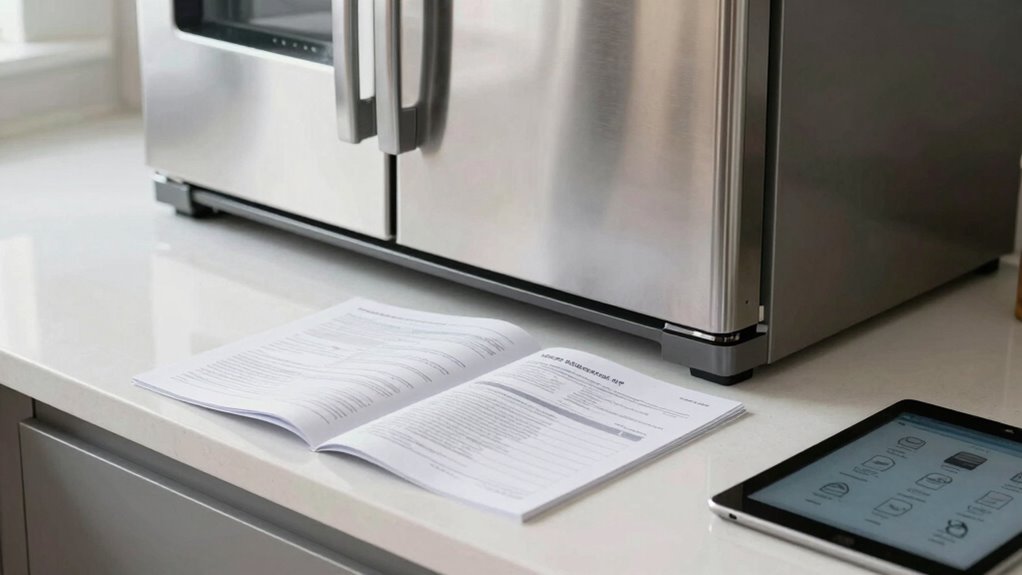
Have you ever wondered what your appliance warranty really covers? Many warranties promise peace of mind, but understanding the specifics can be tricky. Fundamentally, warranties are meant to protect you against defects in materials or workmanship that occur within a certain period after purchase. However, what they cover isn’t always as broad as you might expect. Some warranties include extended coverage options, which can add extra months or years of protection beyond the standard period. These extended plans often cover repairs or replacements that happen after the initial warranty expires, giving you a longer safety net. But it’s important to remember that extended coverage usually comes with additional costs and specific terms, so you should weigh whether it’s worth the investment for your appliance.
While warranties seem straightforward, they often come with warranty exclusions that limit what’s covered. For example, many warranties exclude coverage for damage caused by misuse, neglect, or accidents. If you accidentally spill something on your appliance or use it in a way not recommended by the manufacturer, those issues typically fall outside the warranty. Additionally, normal wear and tear, which naturally occurs over time, isn’t usually covered. Parts like filters, seals, or bulbs often fall under these exclusions, meaning you might need to replace them yourself without warranty support. Other common warranty exclusions include damage caused by power surges, improper installation, or unauthorized repairs. If you attempt to fix your appliance yourself or hire someone outside the approved service providers, the warranty may become void. Understanding the warranty coverage limitations and common exclusions can help you better plan for potential repairs and maintenance costs. Moreover, being aware of environmental considerations and how they might affect your appliance’s lifespan can also influence your warranty claims.
Understanding what your warranty covers and excludes can save you frustration later. Some warranties explicitly state that certain parts or repairs aren’t covered, so you shouldn’t assume everything will be fixed free of charge. This is why it’s wise to read the fine print carefully when purchasing extended coverage or registering your appliance. If you’re unsure, contacting the manufacturer or retailer can clarify what’s included and what’s not. Remember, warranties are designed to protect against unexpected defects, not routine maintenance or damages caused by external factors. Additionally, indoor air quality issues such as dust, microplastics, or mold are typically not covered by appliance warranties but are important to consider for your health and safety. Knowing warranty limitations can help you make informed decisions about additional protections or maintenance plans. By knowing these boundaries, you can better manage your expectations and decide whether additional protection makes sense for your appliance. Ultimately, being informed helps you avoid surprises and ensures you get the most out of your warranty coverage when you need it most.
Products Worth Considering

Cuisinart ICE-100 1.5-Quart Automatic Ice Cream and Gelato Maker

Instant Pot Pro Plus 6 Qt 10-in-1 Electric Pressure Cooker, Black

Breville Barista Pro Espresso Machine with Grinder, Brushed Stainless Steel
As an affiliate, we earn on qualifying purchases.
Frequently Asked Questions
Do Warranties Cover Accidental Damage or Misuse?
Warranties typically don’t cover accidental damage or misuse, so if your appliance breaks due to drops, spills, or improper use, you’re usually out of luck. Some extended warranties or insurance plans might include accidental damage or misuse coverage, but standard warranties focus on manufacturing defects and mechanical failures. Always read the fine print to understand what’s covered, and consider additional protection if you’re concerned about accidental damage.
Are Extended Warranties Worth the Extra Cost?
Extended coverage can be a smart choice if you want peace of mind, but it’s worth doing a thorough cost-benefit analysis first. If your appliance is expensive or prone to issues, the extra investment might save you money long-term. However, if it’s a basic model with a reliable track record, the added cost may not be justified. Consider your usage, the warranty’s terms, and potential repair costs before deciding.
How Do I File a Warranty Claim?
You start by reviewing your warranty’s claim process, which usually involves contacting the manufacturer or retailer. Make certain to gather necessary documentation like purchase receipts and detailed descriptions of the issue. Be aware of warranty exclusions, as some damages or problems might not be covered. Follow the outlined steps carefully, and submit your claim promptly to guarantee the process moves smoothly and your appliance gets the needed repairs or replacements.
What Is the Typical Warranty Duration?
Most appliance warranties last about one to two years, but coverage might vary depending on the manufacturer. Be aware of warranty exclusions and coverage limitations, which can exclude certain damages or parts. Always read the fine print to understand what’s covered and what’s not. If your appliance breaks down within the warranty period, you’re generally entitled to repairs or replacements, but exclusions might limit your options.
Are Appliance Repairs Covered Under Warranty?
Think of your appliance warranty as a safety net that catches you when things go wrong. Yes, appliance repairs are typically covered under warranty, helping you avoid unexpected repair costs. However, coverage often aligns with the appliance’s lifespan, meaning once it’s past that, repairs might come out of your pocket. So, while the warranty offers peace of mind, it’s wise to know what’s included to prevent surprises.
Conclusion
So, next time your fancy new blender suddenly decides to throw a tantrum, remember—appliance warranties are like that elusive unicorn. They promise protection, but often only deliver a fleeting glimpse of hope before demanding more cash. Think of them as that friend who’s always ‘just about’ to help, but somehow vanishes when you really need them. In the end, your warranty’s coverage is like a magician’s hat—full of surprises, most of them disappointingly empty.