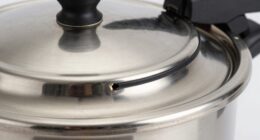
Modern pressure cookers have hidden safety features like automatic pressure release valves that vent excess steam to prevent over-pressurization, and locking lids that stay secure until pressure drops to safe levels. These systems work seamlessly to protect you from accidents and prevent dangerous explosions or burns. They activate automatically, requiring no extra effort from you. If you keep exploring, you’ll discover how these sophisticated safety measures work together to keep your cooking safe and worry-free.
Key Takeaways
- Modern pressure cookers feature automatic pressure release valves that vent excess steam to prevent dangerous buildup.
- Locking lids engage securely once the desired pressure is reached, preventing premature opening.
- Multiple locking points and reinforced latches enhance lid security during high-pressure cooking.
- Integrated safety systems combine pressure release and lid locking with real-time monitoring and alerts.
- Additional features like pressure indicators and automatic shut-off further ensure user safety during operation.
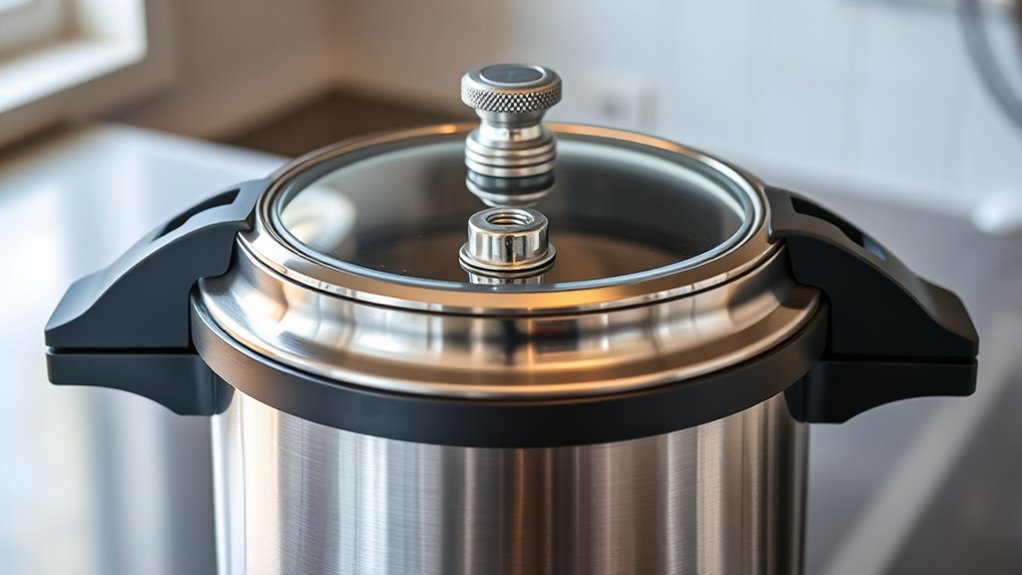
Have you ever wondered how modern pressure cookers guarantee your safety while cooking? It all comes down to their sophisticated safety features designed to prevent accidents and ensure reliable operation. Two of the most critical components are pressure release mechanisms and lid locking systems. These features work together seamlessly to keep you safe during the cooking process.
Pressure release mechanisms are essential because they regulate the internal pressure inside the cooker. When the pressure rises beyond a safe threshold, these mechanisms automatically release excess steam, preventing dangerous pressure buildup. Some pressure cookers use a simple weighted valve that jiggles or rocks to vent steam at a preset pressure level. Others incorporate more advanced safety valves that release pressure gradually and precisely, ensuring the cooker doesn’t reach unsafe levels. These mechanisms are designed to activate without your intervention, giving you peace of mind that the appliance won’t over-pressurize unexpectedly.
Pressure release mechanisms automatically vent excess steam to prevent dangerous pressure buildup.
Lid locking systems are equally crucial. They prevent you from opening the pressure cooker while it’s under high pressure, which could lead to dangerous steam burns or explosions. Modern pressure cookers are equipped with robust lid locking systems that automatically engage once the cooker reaches the desired pressure. You typically hear a click or see a visual indicator confirming the lid is securely locked in place. This lock remains engaged until the pressure drops to a safe level, at which point the cooker signals it’s safe to open. Some models even feature multiple locking points and reinforced latches for added security. These systems ensure you can’t accidentally open the lid mid-cooking, which is a critical safety feature.
The integration of pressure release mechanisms and lid locking systems creates a fail-safe environment. When pressure builds up, the pressure release mechanism vents excess steam, preventing dangerous pressure levels. Simultaneously, the lid locking system prevents opening until it’s safe, avoiding accidental burns or explosions. Many modern pressure cookers also include additional safety features, like pressure indicators and automatic shut-off functions, but these core components are the backbone of safe operation.
In addition, the use of advanced technology in pressure cookers enhances their safety by providing real-time monitoring and alerts, further reducing risks. These safety features are built into the design to make your cooking experience secure and worry-free. They work behind the scenes, allowing you to focus on creating delicious meals without constantly monitoring the pressure levels or fearing accidents. Modern pressure cookers are engineered with your safety as a top priority, combining reliable pressure release mechanisms and lid locking systems to keep you protected every step of the way.

Universal Pressure Cooker Jigger Valve Replacement – High-Temp Alloy Safety Release Valve for 80kPa Cookers,Pressure Cooker Relief Jigger Valve Exhaust Valve-2PCS
Universal Fit for 80kPa Pressure Cookers :Designed for lids with a 10mm central hole, this jigger valve seamlessly…
As an affiliate, we earn on qualifying purchases.
As an affiliate, we earn on qualifying purchases.
Frequently Asked Questions
How Do Pressure Cookers Prevent Accidental Opening During Cooking?
You prevent accidental opening by relying on the lid lock mechanism, which automatically engages when the cooker reaches the right pressure, preventing you from opening it prematurely. Additionally, pressure release valves ensure excess steam escapes safely, lowering internal pressure before opening. These safety features work together to keep you safe, guaranteeing the lid stays securely locked during cooking and only opens when it’s safe to do so.
Are There Safety Mechanisms for Power Failure During Use?
When power fails mid-cook, your pressure cooker acts like a vigilant guardian, thanks to built-in safety mechanisms. These features automatically lock the lid and prevent pressure from escaping dangerously, even without electricity. Some models include a backup power system or thermal sensors that sense temperature changes, ensuring safety remains intact. So, even in a power outage, your cooker keeps danger at bay, giving you peace of mind.
Can Pressure Cookers Be Used Safely on Induction Stovetops?
Yes, you can safely use pressure cookers on induction stovetops if they are induction compatible. Check for an induction-compatible symbol or label before purchasing. Make sure your pressure cooker has safety certification, confirming it meets safety standards. Using an induction-compatible pressure cooker on your stovetop is safe when following the manufacturer’s instructions and ensuring all safety features are engaged. This helps prevent accidents and guarantees peak performance.
What Safety Features Exist for Children or Elderly Users?
You’ll find child lock features that prevent accidental opening, ensuring kids can’t tamper with the pressure cooker. For elderly safety, many models include easy-to-use controls and visual indicators that signal when the cooker is safe to open. These safety features help protect vulnerable users by reducing risks of burns or mishandling, giving you peace of mind while cooking. Always check your pressure cooker’s safety options to suit your family’s needs.
How Do Modern Pressure Cookers Alert Users to Malfunctions?
Modern pressure cookers alert you to malfunctions through sensor alerts and malfunction indicators. When something’s wrong, sensors detect issues like pressure loss or overheating, triggering visual or auditory signals. You’ll notice flashing lights, beeps, or digital messages on the display. These alerts prompt you to stop cooking, ensuring safety. Always pay attention to these indicators, as they help prevent accidents and keep your cooking process safe.
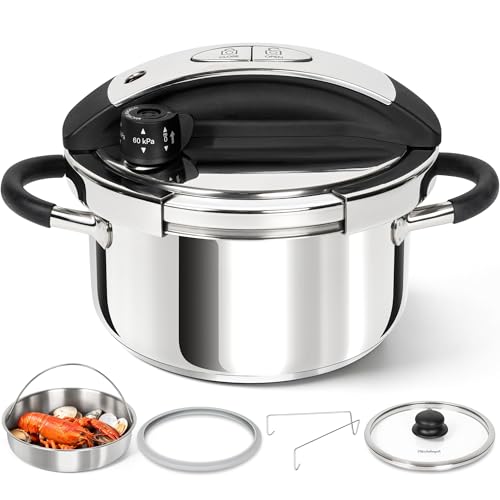
MICHELANGELO Small Pressure Cooker Stainless Steel, 3.2 Quart Olla de Presion, One-Hand Locking System, Induction Compatible, with Glass Lid & Steamer
Quick & Healthy Meals – Designed for efficient cooking, this pressure cooker cuts cooking time by up to…
As an affiliate, we earn on qualifying purchases.
As an affiliate, we earn on qualifying purchases.
Conclusion
You might think pressure cookers are risky, but modern safety features prove otherwise. These innovations, like leak-proof valves and automatic lockings, are designed to keep you safe. Remarkably, some experts believe that these safety mechanisms have reduced accidents so effectively that pressure cookers are now safer than traditional cookware. So, next time you cook with one, trust the clever safety features working behind the scenes—your safety is truly built in.
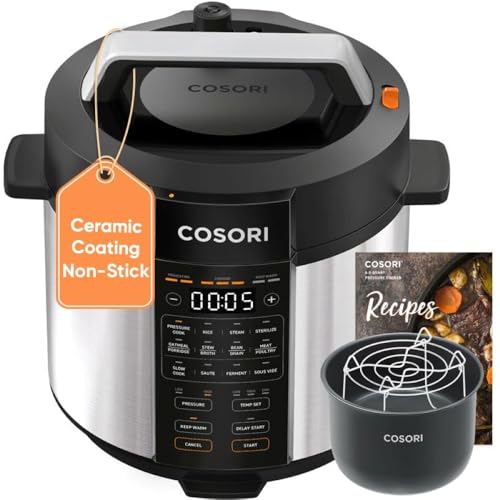
COSORI Pressure Cooker 6QT, Stainless Steel, 9-in-1 Multi Cooker, 12 Safety Features, Ceramic Inner Pot, Rice, Slow Cook, Sous Vide, Saute, 1100W
𝟵 𝗠𝗮𝗰𝗵𝗶𝗻𝗲𝘀 𝗶𝗻 𝟭: Pressure Cook, Rice, Steam, Sterilize, Oatmeal/Porridge, Stew/Broth, Bean/Grain, Meat/Poultry, Slow Cook, Sauté, Ferment, Sous…
As an affiliate, we earn on qualifying purchases.
As an affiliate, we earn on qualifying purchases.
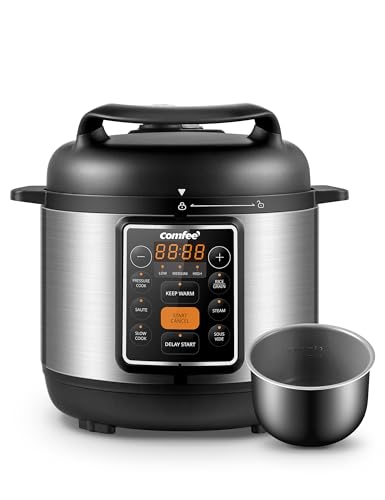
COMFEE’ 7-in-1 Small Electric Pressure Cooker, Slow Cooker, Steamer, Sauté, Sous Vide, Warmer, Multi Cooker with Natural Ceramic Coated Non-Stick Pot, 3 Quarts
7-in-1 Versatility: Pressure cook, prepare rice and grains, sauté, slow cook, sous vide, or steam meals in one…
As an affiliate, we earn on qualifying purchases.
As an affiliate, we earn on qualifying purchases.