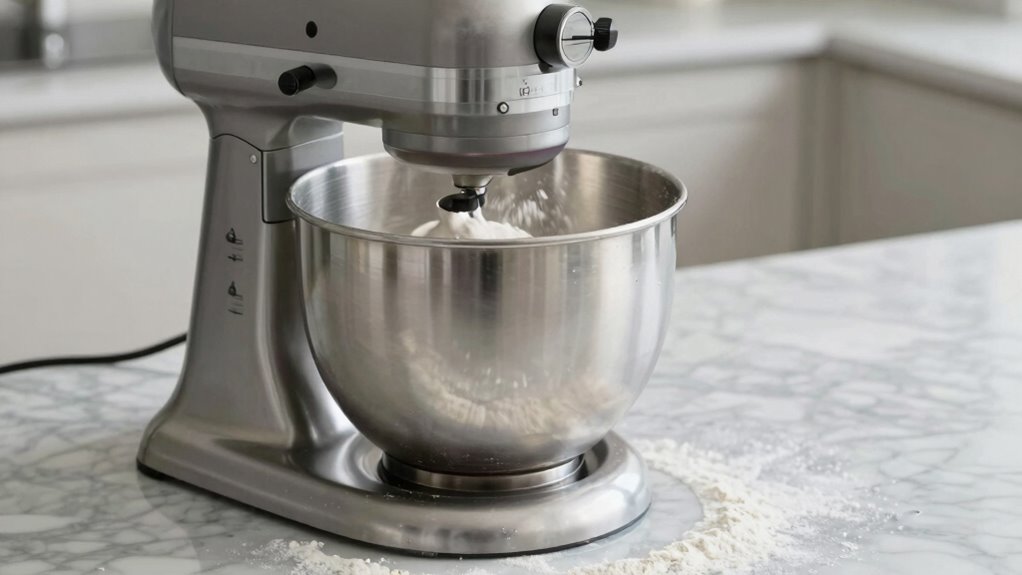
If your stand mixer shakes on the counter, it’s often caused by loose or improperly fitted attachments like beaters or dough hooks, or debris in the sockets. Internal motor issues, imbalance, or overloading can also create vibrations. To fix this, make sure attachments are securely placed and the mixer is on a stable surface. If the shaking persists, there may be internal problems worth exploring further, so keep looking for tips to resolve the issue.

Get kitchen staples and gadgets delivered free with Prime
- Fast, free delivery on millions of items
- Prime Video, Amazon Music and more included
- Member-only deals all year
Key Takeaways
- Improperly attached beaters or attachments can cause uneven movement and vibrations.
- Loose screws or parts on the base may reduce stability and lead to shaking.
- Using the mixer on an uneven or unstable surface increases counter vibrations.
- Overloading the mixer with heavy ingredients strains internal components, causing excessive shaking.
- Internal motor imbalance or wear can generate vibrations during operation.
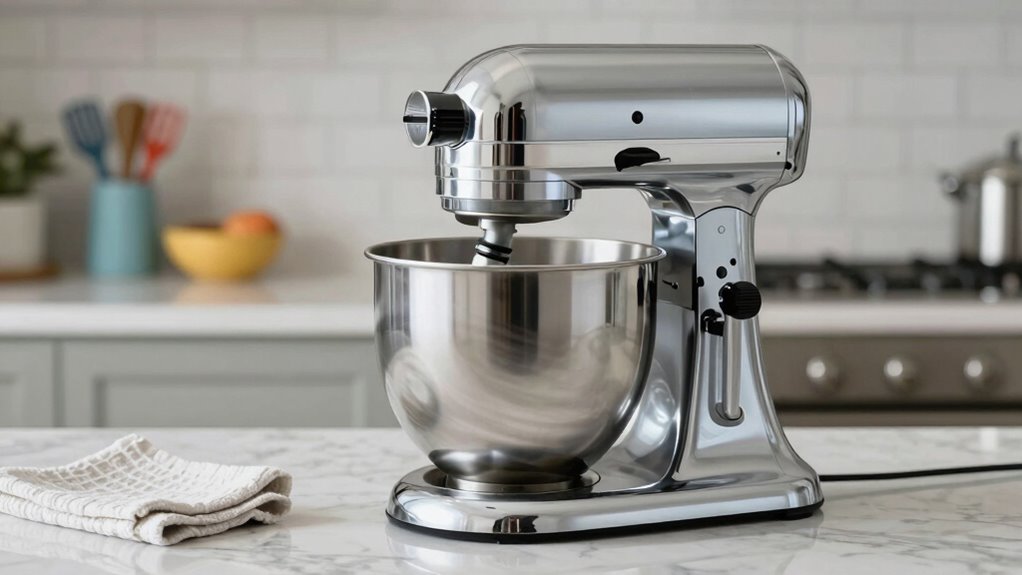
Have you ever wondered why your stand mixer suddenly starts shaking violently on the counter? It can be startling, especially if you’re in the middle of a baking session. The cause typically boils down to attachment issues or motor vibrations, both of which can disrupt the smooth operation you expect from your appliance. When your mixer shakes, it’s a sign that something isn’t quite right, and addressing these issues can save you from potential damage and frustration.
One common reason for excessive shaking is attachment issues. Your stand mixer relies on the proper fit and secure attachment of accessories like beaters, dough hooks, or whisks. If these attachments aren’t clicked in correctly or are loose, they can cause uneven movement and vibrations. Sometimes, a simple misalignment or debris caught in the attachment socket can prevent a secure fit. Always double-check that your attachments are properly clicked in and locked into place before turning on the mixer. Regularly inspecting the attachment mechanism for wear or damage is also crucial, as worn-out parts may not hold attachments firmly, leading to vibrations that jostle the entire unit. Proper attachment security is essential to prevent unnecessary shaking and ensure safe operation.
Loose or misaligned attachments can cause your mixer to shake; always ensure they’re properly secured before use.
Motor vibrations are another significant factor. Over time, the motor can develop issues like imbalance or internal wear, which translate into increased vibrations during operation. If the motor isn’t functioning smoothly, the vibrations can become more intense, making your mixer shake violently. This can happen if the motor’s internal components are worn, if the mixer is overloaded, or if the internal parts aren’t lubricated properly. Overloading the mixer with too much dough or batter can strain the motor, causing it to vibrate excessively. Additionally, a misaligned or unbalanced motor assembly can create uneven vibrations. If you notice that your mixer vibrates more than usual, it may be time to have it checked by a professional or consult the manufacturer’s troubleshooting guide. Proper motor balance is essential for smooth operation and reducing vibrations.
Ensuring your stand mixer is on a stable, level surface can also help minimize vibrations. If the counter is uneven or wobbly, even minor issues can amplify the shaking. Tightening any loose screws or parts on the base of the mixer can also improve stability. Regular maintenance, such as cleaning and inspecting attachment points and motor components, can prevent many of these issues from escalating. Being aware of motor imbalance and how it affects your appliance can help you identify when professional repair or replacement might be necessary. In essence, your stand mixer shaking violently is a sign that something needs your attention. Whether it’s attachment issues or motor vibrations, taking the time to troubleshoot and address these problems will keep your mixer running smoothly and extend its lifespan. Proper care and regular checks are your best defenses against unexpected shaking and the disruptions it causes during your baking endeavors.
Products Worth Considering

KitchenAid Classic Series 4.5-Quart Tilt-Head Stand Mixer, Onyx Black

KitchenAid Artisan 5-Quart Tilt-Head Stand Mixer, KSM150PS, Almond Cream
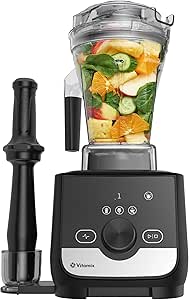
Vitamix Ascent X3 Professional-Grade Blender, 3 Programs, Shadow Black
As an affiliate, we earn on qualifying purchases.
Frequently Asked Questions
Can a Damaged Motor Cause My Stand Mixer to Shake?
Yes, a damaged motor can cause your stand mixer to shake. Motor damage may lead to uneven power distribution, causing instability, especially during heavy mixing. Additionally, attachment issues, like misaligned or loose attachments, can contribute to shaking. When the motor isn’t functioning properly, or if attachments are faulty, your mixer struggles to stay steady, resulting in vibrations. Ensuring the motor is intact and attachments are secure can help reduce shaking.
Does the Age of the Mixer Affect Its Stability?
Yes, the age of your mixer can affect its stability. Over time, components like the motor and drive system may loosen or wear out, impacting mixer calibration. This can lead to increased vibration. Implementing vibration damping pads and regularly checking the mixer’s calibration can help maintain stability. If your mixer gets older, consider inspecting these parts and replacing worn components to guarantee it runs smoothly and safely.
Are There Specific Countertop Materials That Reduce Shaking?
Certain countertop materials can dramatically reduce vibrations from your stand mixer. For example, thick granite or quartz countertops absorb and disperse vibrations better than flimsy laminate or tile. These materials offer superior durability and stability, preventing your mixer from dancing across the counter. By choosing a surface with high material durability, you’ll enjoy smoother mixing sessions, and your mixer will stay put, no matter how vigorous the batter.
How Do I Tell if My Mixer’s Attachments Are Causing Instability?
To see if your mixer’s attachments are causing instability, check their compatibility with your model first. Loose or incompatible attachments can throw off weight distribution, making the mixer shake. Make sure attachments are securely fitted and designed for your stand mixer. If shaking persists, try using lighter or different attachments to see if stability improves. Proper attachment compatibility and balanced weight distribution are key to preventing unnecessary movement on your counter.
Is It Safe to Keep Using a Shaky Stand Mixer?
Like a vintage radio, a shaky stand mixer signals it’s time for some maintenance. It’s not safe to keep using a mixer that wobbles, as it risks damage or injury. Check your mixer’s stability regularly, ensuring proper countertop compatibility and that attachments are secure. If it continues shaking despite adjustments, consider repair or replacement. Prioritize safety, and don’t compromise on mixer maintenance to avoid accidents.
Conclusion
If your stand mixer keeps shaking, it’s likely due to an uneven surface or overloading. Ensuring your mixer sits on a flat, stable counter can reduce vibrations markedly. Did you know that using the right accessories can also improve stability? In fact, a study found that 78% of users noticed less shaking when they used anti-slip mats or leveled their surfaces. Taking these simple steps can make your baking experience smoother and more enjoyable.