Using the right bread proofing basket shapes and influences the final look and feel of your loaves. They help you form consistent shapes and leave decorative patterns on the crust, giving your bread an artisanal look. Baskets made of natural materials promote proper moisture and crust development, while their texture affects the surface pattern. Controlling environment and choosing the right basket options ensures your bread rises beautifully with inviting texture. Keep exploring to discover more secrets to perfect bread.

Get kitchen staples and gadgets delivered free — and shop member deals
- Fast, free delivery on millions of items
- Access to Prime Big Deal Days deals on October 6–7
- Prime Video, Amazon Music and more included
Key Takeaways
- They shape dough uniformly, ensuring consistent size and form of the final loaf.
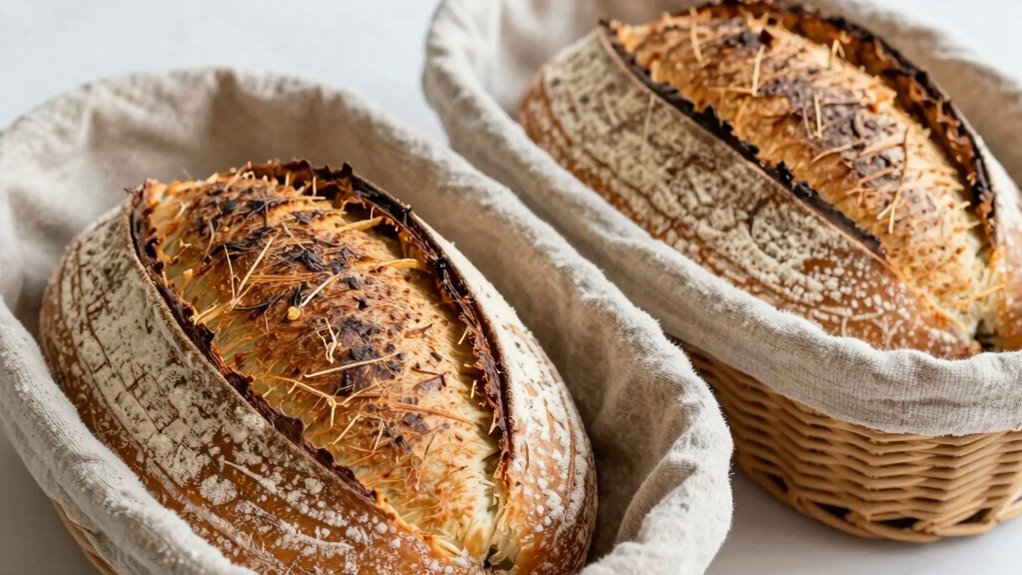
- The basket’s texture leaves distinctive surface patterns, enhancing the bread’s artisanal appearance.
- Material choice influences dough interaction, affecting crust development and loaf release.
- Proper moisture regulation during proofing prevents sticking and maintains optimal dough consistency.
- Design and texture work together to improve crust quality and overall loaf structure.
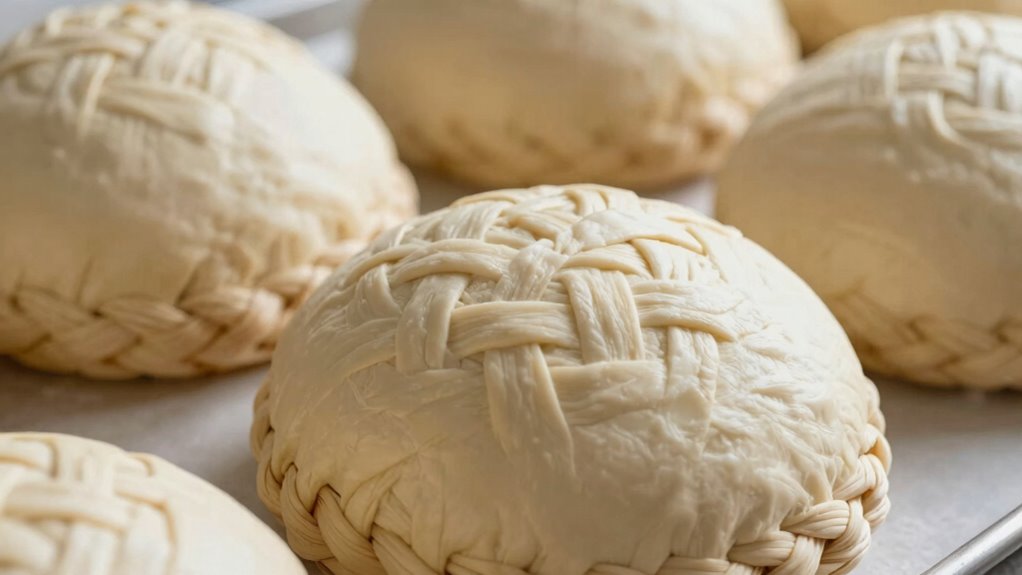
Have you ever wondered how bakers achieve that perfect, artisanal look on their loaves? The secret often lies in the use of bread proofing baskets, also known as bannetons. These baskets aren’t just decorative; they play an essential role in shaping your bread and influencing its texture. When you’re working with proofing baskets, understanding their impact starts with the fermentation environment. This environment is indispensable because it affects how your dough develops flavor and structure. A well-chosen proofing environment—whether it’s a warm, humid space or a slightly cooler, controlled setting—assures your dough ferments evenly. This even fermentation gives your bread a consistent rise and develops the complex flavors that make artisanal loaves so appealing.
But beyond the environment itself, the basket material choices greatly influence your final product. Baskets come in various materials, including rattan, wicker, plastic, and silicone. Rattan and wicker baskets are traditional favorites because they allow the dough to breathe, helping develop a beautiful, rustic crust. The natural fibers wick away moisture from the surface of the dough, helping develop a beautiful, rustic crust. The breathability of basket materials is a key factor in achieving the ideal loaf. The porous nature of natural fibers also aids in moisture regulation, ensuring your dough maintains the right consistency during proofing. Additionally, using appropriate basket sizing can help control the dough’s shape and size, leading to more uniform loaves. Plastic baskets, on the other hand, tend to be more uniform and easier to clean, making them suitable for beginners or commercial bakeries. Silicone baskets are non-stick and flexible, offering an easy release but sometimes lacking the traditional aesthetic. Your choice of basket material impacts not only how easily your dough releases after proofing but also how the dough interacts with its environment during fermentation.
Using the right basket material also helps regulate moisture levels, which is essential for achieving the desired shape and texture. A basket that breathes well prevents the dough from becoming overly wet or sticky, which could deform your loaf or cause it to stick during removal. Additionally, the material’s breathability is crucial because it influences how moisture is managed during proofing. The basket’s texture leaves a distinctive pattern on the dough’s surface, giving your bread that artisanal look. When you combine a suitable fermentation environment with a carefully selected basket material, you’re setting the stage for bread that rises beautifully and develops a satisfying crust and open crumb. Moreover, the design and texture of the basket can influence the final appearance of your loaf, adding to its artisanal appeal.
In essence, choosing the right proofing basket isn’t just about tradition; it’s about optimizing the conditions that shape your bread’s appearance and texture. You control the environment to guarantee even fermentation, and your basket material choices influence how your dough develops and releases. Together, these factors help you produce bakery-quality loaves that look as good as they taste, elevating your baking from simple to exceptional.
bread proofing basket with natural fibers
As an affiliate, we earn on qualifying purchases.
As an affiliate, we earn on qualifying purchases.
Frequently Asked Questions
Can I Use a Regular Bowl Instead of a Proofing Basket?
You can use a regular bowl as an alternative to a proofing basket, but keep in mind it might not give you the same decorative patterns or texture. Choose a bowl with a smooth surface and line it with a floured towel to prevent sticking. While it’s a practical option, a proofing basket specifically designed for bread offers better shape retention and unique decorative patterns, enhancing your loaf’s appearance and texture.
How Do I Clean and Maintain My Bread Proofing Basket?
To clean your bread proofing basket, gently dust it off with a dry brush or cloth after each use. For deeper cleaning, use warm water and a soft brush—avoid soap, which can damage the material. Maintenance tips include letting it air dry completely before storing and occasionally applying a thin layer of flour to prevent sticking. Follow these cleaning techniques and upkeep tips to keep your basket in great shape.
What Types of Flour Work Best With Proofing Baskets?
You should use unbleached white flour, whole wheat, or rye flour with your proofing baskets, as they handle higher hydration levels well. These flours promote good gluten development, helping the dough hold its shape and achieve a nice texture. Keep in mind, flours with higher hydration absorb more water, which enhances gluten strength and results in a better rise during proofing.
How Long Should the Dough Proof in the Basket?
For ideal fermentation timing, you should proof your dough in the basket for 1 to 4 hours at room temperature or until it has roughly doubled in size. Imagine a baker checking their dough after 2 hours; it feels airy and holds its shape when gently pressed, indicating good dough elasticity. This guarantees the bread develops proper texture and shape, resulting in a beautifully risen loaf.
Are There Different Baskets for Different Bread Shapes?
Yes, there are different baskets for various bread shapes. You can choose decorative basket options to add flair to your loaves or opt for custom basket shapes that match specific bread forms. These baskets help shape your dough precisely, giving your bread a professional look. By selecting the right basket, you guarantee your bread maintains its shape during proofing and baking, resulting in beautifully crafted, artisanal loaves.
artisanal bread banneton proofing basket
As an affiliate, we earn on qualifying purchases.
As an affiliate, we earn on qualifying purchases.
Conclusion
Using a bread proofing basket helps shape your loaf, develop its texture, and add a beautiful pattern. It guides your dough to rise evenly, creating a crispy crust and tender crumb. It’s a tool that enhances your baking process, elevating your bread from good to exceptional. With a proofing basket, you embrace tradition, craftsmanship, and artistry—crafting bread that looks inviting, feels perfect, and tastes unforgettable. Let your baking journey flourish with the right proofing basket in hand.
silicone bread proofing basket non-stick
As an affiliate, we earn on qualifying purchases.
As an affiliate, we earn on qualifying purchases.
As an affiliate, we earn on qualifying purchases.
Halloween Picks
halloween
As an affiliate, we earn on qualifying purchases.