TL;DR
A high-quality chef knife combines useful blade geometry, reliable construction, comfortable handling, and steel that suits your care habits. Compare the specific knife in your hand rather than relying on its price or a Western or Japanese label, and protect its edge with hand-washing, a suitable cutting board, and timely sharpening.
A knife that costs three times as much can still feel wrong in your hand. Comfort, blade shape, and edge care often matter more in your kitchen than a prestigious steel name or a polished price tag.

Get kitchen staples and gadgets delivered free with Prime
- Fast, free delivery on millions of items
- Prime Video, Amazon Music and more included
- Member-only deals all year
This guide helps you choose among quality chef knives by looking at how they cut, how they feel during repeated chopping, and how much upkeep they ask of you. You’ll learn what makes a chef knife high quality, how common styles and steels differ, and how to care for your choice so it stays useful. Think of the knife as a kitchen partner: the best one is the blade you can handle confidently on a busy Tuesday, not just admire in a display case.
Judge a chef knife by its geometry, edge, handle comfort, and upkeep needs, not price alone.
Choose a blade profile that matches your cutting motion; Western-style, gyuto, and santoku designs vary by maker.
Stainless steel usually asks for less rust prevention, while carbon steel needs prompt drying and more attention.
A full tang describes steel extending through the handle, but it does not prove a knife is high quality.
Hand-wash and dry your knife, use wood or suitable plastic boards, and sharpen when honing no longer restores a clean cut.
What Makes a Chef Knife High Quality in Everyday Cooking?
A high-quality chef knife is a well-made, versatile blade whose shape, edge, and handling suit its owner’s cooking. It should slice, chop, and dice cleanly without demanding awkward pressure or a grip that tires your hand. These qualities affect one another: a blade that cuts with little resistance can reduce effort, but if its shape or balance feels unfamiliar, you may have less control. Price alone cannot tell you whether that trade-off will work for you.
Start with blade geometry: thickness, taper, and grind affect how the blade moves through food. A thin blade with a gradual taper may pass through an onion with little wedging, so less of the onion gets pushed apart. That can feel precise and efficient, but a very thin edge may be less forgiving if you twist it in a dense squash or strike a hard surface. A thicker blade may feel sturdier during forceful cuts, yet wedge food apart and require more effort. The practical choice depends on what you cut and how carefully you work.
Steel and heat treatment shape how an edge behaves, but a steel label does not tell the whole story. Heat treatment changes how hard or tough the steel becomes, while geometry determines the shape and support behind the edge. A hard, thin edge may stay useful for a long time but can be less tolerant of twisting; a tougher edge may be easier to live with under rougher use but need more frequent sharpening. Since these features interact, two knives made with similar steel can behave differently. A sharp edge suited to your board and sharpening habits may serve you better than a premium alloy you find difficult to maintain.
Construction deserves a practical check, too: look for a secure handle, clean fit, and comfortable grip. A full tang describes blade steel extending through the handle; it can influence balance and is one construction detail to inspect, but it does not guarantee a superior knife. The useful test is how the whole blade feels through a few dozen cuts. Notice whether you can guide it without clenching and whether its weight helps the motion or makes your wrist work harder. A knife that sits naturally in your hand can make prep feel as steady as writing with a well-balanced pen.
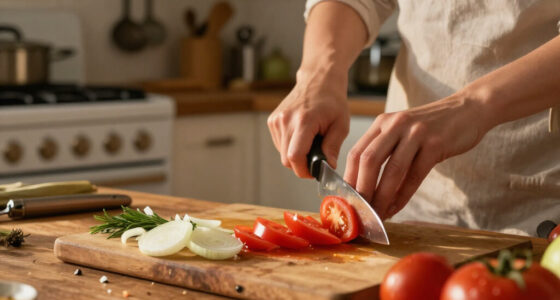
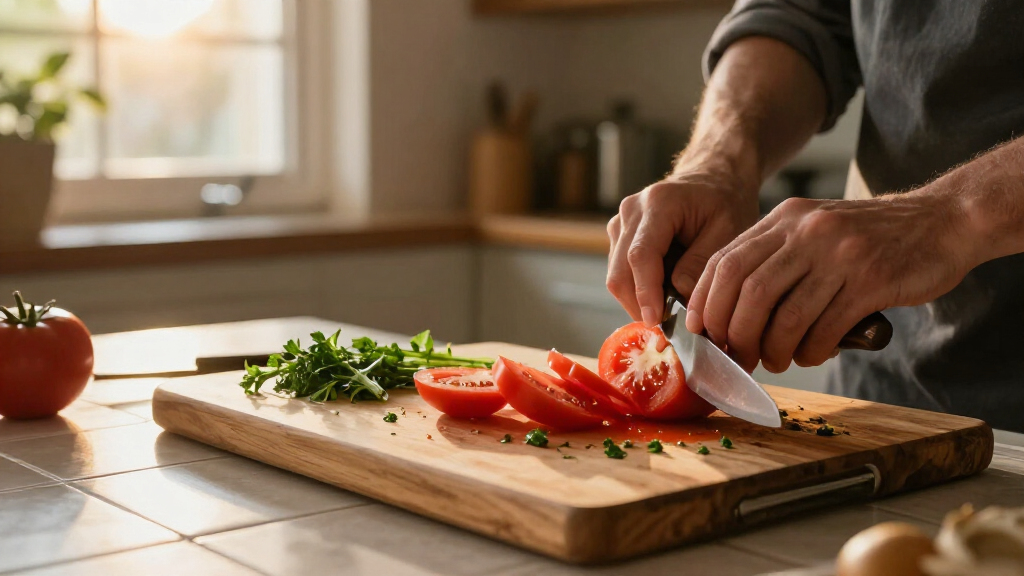
For example, if you cook dinner most nights and chop carrots, herbs, and onions, try holding a knife before buying. Notice whether your wrist feels relaxed and whether the blade clears your board easily. If you also cut dense vegetables often, test how much pressure the blade needs and whether you feel in control. Those ordinary tasks reveal more than a quick glance at a product label.
Products Worth Considering

Ninja Prestige Smart XL 10-in-1 Air Fryer and Countertop Oven with Pro Cook System, Stainless Steel, DT551

Cuisinart 7-in-1 Air Fryer Toaster Oven, 1800W, TOA-55

Vitamix 5200 Blender with 64 oz. Container, Black
As an affiliate, we earn on qualifying purchases.
Choose a Blade Style That Matches How You Cut
High-quality chef knives come in shapes that guide different cutting motions, so choose the profile that feels natural to you. A Western-style chef knife often has more weight and a curved edge for rocking cuts. Its curve lets the tip stay near the board as the handle rises and falls, which can make repeated mincing feel fluid. A Japanese gyuto is a versatile chef-knife shape that is often thinner and lighter, though makers vary widely. Its leaner feel can make fine slicing easy, but may suit a controlled cutting motion better than rough twisting. A santoku is usually shorter with a flatter edge, which can suit a more direct up-and-down chopping motion. Those are common tendencies, not guarantees; the individual blade’s shape and weight matter more than the label.
Imagine mincing parsley for soup. If you like to keep the tip near the board and rock the blade, a more curved profile may feel smooth and familiar. If you lift and lower the blade in a straight rhythm, a flatter profile might feel easier to control and may use more of the edge evenly. Neither method is inherently better; your hands and habits decide. A mismatch can make you change your natural motion, slowing prep and making the knife feel less predictable.
Length matters in a small kitchen. Eight inches is a common versatile size because it offers enough edge for large vegetables while remaining manageable for many cooks. A shorter blade can feel nimble if your cutting board is compact or your hands are small, though it may take extra strokes to slice through a wide cabbage. A longer blade may help you make one clean pass through large ingredients, but needs more room to move and can feel cumbersome in a crowded prep area. Consider both your reach and the space around the board.
Handle the knife if you can. Grip it as you would while chopping, then check whether the heel, bolster, and handle shape press against your fingers. The bolster’s position and shape can affect where your hand rests, while the handle’s thickness can feel secure to one cook and tiring to another. A knife may balance at the bolster or farther forward, and there is no universal ideal point: forward balance can help the blade descend, while a handle-heavy feel may be easier for some people to lift and steer. If you are choosing online, compare dimensions and weight, then buy from a seller with a clear return policy where possible.
Labels can help you narrow the field, but they do not replace the individual knife. Two gyutos may differ in weight, edge profile, and upkeep just as much as a gyuto differs from a Western knife. Think of blade styles as different shoes: a familiar category gives you a starting point, while fit decides whether you enjoy the walk.
Compare Steel Choices Without Getting Lost in Labels
High-quality chef knives can use stainless steel, carbon steel, or blends, and no category is automatically sharper or better. Stainless steel generally needs less attention to prevent rust, which is useful when dinner prep runs late or you share the kitchen with people who may leave a knife damp. Carbon steel can develop a darkened patina as it reacts with food and moisture. That patina is different from damaging rust, but the distinction requires attention: dry the blade promptly and check for orange spots. Some cooks enjoy this routine and the blade’s changing appearance; others prefer a material that asks less of them.
Use your daily kitchen rhythm to decide. If you chop, rinse, and immediately return to the stove, a carbon-steel blade may fit your habits. If you often leave a knife beside a cutting board while helping a child with homework, stainless steel may be a more forgiving choice. Stainless can still stain or corrode under neglect, and carbon steel can work well with attentive care, so neither choice makes washing and drying unnecessary. The difference is how much margin for delay you want.
Edge retention describes how long a knife keeps a useful edge in use, but it does not mean you can forget sharpening. Newer offerings include powder metallurgy and other high-alloy steels, which can bring different mixes of edge life, toughness, and corrosion resistance. The trade-off depends on the exact knife and its heat treatment; a long-lasting edge may reduce sharpening frequency, but a harder or more abrasion-resistant steel can take more time or skill to sharpen. If you rely on a service, check that it can work with the knife’s steel and edge style.
Before paying extra for a steel name, ask what you need from it. If you cook daily and are comfortable using a whetstone or a sharpening service, longer edge life might be valuable because it can mean fewer sharpening sessions. If you are still learning, choose a knife that is easy to maintain and put the savings toward a suitable board or sharpening. A knife that is simple to restore when it gets dull can be more useful than one that holds an edge longer but stays blunt because you avoid sharpening it.
| Choice | What you may appreciate | What to plan for |
|---|---|---|
| Stainless steel | Less worry about rust during everyday kitchen use | Still hand-wash and dry it; performance depends on the knife |
| Carbon steel | A patina and a care routine some cooks enjoy | Dry promptly and pay closer attention to moisture |
| High-alloy options | Potentially different mixes of edge life and toughness | Steel claims do not remove the need for sharpening |
Manufacturing claims deserve the same careful eye. A maker’s details about materials, production, and repair are more useful than broad promises of exceptional performance or sustainability. Clear information helps you judge whether the knife’s upkeep and likely lifespan fit your expectations.
Use These Five Checks Before You Buy
High-quality chef knives are easier to choose when you compare a few practical details in the same order. Begin with the work you actually do, then check comfort and upkeep before paying for extra features. This matters because a knife’s advantages only help if they match your routine: a long-lasting edge has little value if you avoid sharpening it, and a light blade is no benefit if it feels hard to control. This quick sequence can keep a shopping trip grounded when every blade promises to be a kitchen essential.
- Name your usual prep. List the foods you cut most: herbs, onions, squash, or large roasts. A general-purpose chef knife handles many slicing, chopping, and dicing jobs. Your list shows what to prioritize: frequent fine slicing may favor a nimble feel, while dense vegetables make comfort and controlled force more important.
- Try a useful length. Eight inches works for many cooks, but a shorter blade might suit your board and reach better. Think about the trade-off between a longer cutting pass and the extra room and control it requires.
- Check the grip and weight. Hold the knife in your normal pinch grip and imagine chopping several carrots. If your hand tenses immediately, keep looking. A little weight can help a cut feel steady, but if it makes you grip harder over repeated cuts, the fatigue will accumulate.
- Match the upkeep to your routine. Ask whether you will dry carbon steel promptly and how you plan to sharpen the edge. The best maintenance plan is one you will follow consistently; that affects how safe and effective the knife stays over time.
- Judge the complete knife. Look at secure handle fit and finishing, then consider price as one factor among many. A polished finish is pleasant, but comfort, cutting feel, and a workable care plan are what make the knife useful day after day.
Here is how those checks work in a real purchase: imagine you cook in a narrow apartment kitchen, prep vegetables most nights, and have never sharpened a knife. A manageable eight-inch stainless blade with a comfortable handle may suit you better than an ultra-thin carbon blade that needs careful drying and regular stone work. The first choice lowers the learning and care burden; the second could still be right if you want to learn sharpening and value its particular cutting feel.
Also consider what you do not need. Many cooks get more value from one chef knife, a paring knife, and a suitable bread knife than from a large set of pieces that sit untouched in a block. Each additional knife adds cost and storage needs, so buy a specialist shape only when a recurring task makes its benefit clear. A useful knife combines a useful shape with care you can keep up.
Protect the Edge and Keep Your Cutting Safe
High-quality chef knives stay safer and more pleasant to use when you keep their edge protected and cut on a stable surface. Hand-wash the blade with dish soap and water, then dry it promptly, especially if it is carbon steel. A dishwasher can expose the knife to heat, detergent, and knocks against other items that may harm the edge or handle. A clean, sharp edge cuts with less force, so maintenance can help you stay in control rather than push harder through food.
Use a wood or suitable plastic board and avoid glass, stone, or ceramic cutting surfaces. Those hard materials can wear or damage an edge quickly. A board that gives slightly under the blade helps preserve the edge through repeated contact; a stable board also keeps your cutting surface from slipping. Store the knife in a sheath, a fitted block, or on a magnetic strip where the edge cannot bang against loose utensils. If you toss it into a drawer, the blade can strike forks and other knives every time you open it.
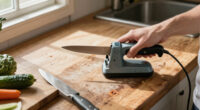
A honing rod may help realign an edge on some knives, but honing does not replace sharpening. If your knife no longer cuts food cleanly after honing, use a whetstone or a reputable sharpening service. Thin or hard blades may be better served by a fine ceramic rod or careful stone sharpening than by an aggressive steel rod. The right method depends on the knife: an overly rough rod can remove material or damage a delicate edge, while an appropriate stone restores the bevel when realignment is no longer enough.
Use the knife for the job it was built to do: slicing, chopping, and dicing food. Do not pry open jars, chop bones, or cut frozen food with a typical chef knife; those jobs can chip or damage it. The thin edge that helps a chef knife move through vegetables is poorly suited to twisting or impact. Reach for a purpose-built cleaver when you need to handle bones.
For instance, a tomato that squashes under the blade may be a sign that the edge needs attention. Keep your fingers curled while you cut, use a controlled motion, and test sharpness on food rather than your hand. A sharp knife that you control is more useful than a dull one that makes you press harder.
Care rule: hand-wash, dry, store with the edge protected, and sharpen when honing no longer restores a clean cut.
Spend on the Knife You’ll Reach for Every Night
High-quality chef knives are long-term tools, but the most expensive option is not automatically the best purchase for your kitchen. Your budget should cover a knife you like using and a way to keep it sharp. A modest, well-maintained blade can be more satisfying than a costly one that stays dull in a drawer. The value comes from repeated use: comfort and dependable cutting affect every meal, while a premium feature matters only if you notice and benefit from it.
Think about a home cook who wants to upgrade from a bargain knife. They could buy a large block set with several unfamiliar shapes, or choose one comfortable chef knife and learn to care for it. If they already own a bread knife and a small paring knife, the single-blade upgrade may give them better daily value. It also makes it easier to learn what they like about weight, geometry, and maintenance before spending on another specialist blade.
Repair and ownership also matter. Interest in traditional Japanese and regional knife-making has grown alongside varied steels, blade profiles, and handle materials. If long-term use matters to you, check whether the maker offers sharpening, repair, or clear guidance on materials and care. Access to service can change the practical cost of ownership: a knife that is easy to restore may remain useful longer, while a difficult-to-service blade can be frustrating even if its initial performance is excellent. Claims about handcrafted production or sustainability are most helpful when the maker explains what they mean.
Exact prices and product availability change frequently, so compare current listings before you buy. Read specifications for blade length, weight, steel, and care, but treat reviews as reports from cooks with their own hands and habits. A knife praised for its light feel may seem too delicate to someone who prefers a heavier blade. Look for repeated comments about the same qualities, then weigh them against your own priorities rather than treating a rating as a prediction of fit.
Set yourself a simple goal: choose a knife you can handle comfortably, maintain safely, and afford without stretching your budget. If you can visit a shop, try chopping a firm vegetable or ask to hold the knife in a normal grip. The right one should feel ready for dinner, not like a trophy you are afraid to use.
Frequently Asked Questions
What is the best chef knife for a home cook?
The best choice depends on your hand, budget, cutting style, and willingness to maintain the blade. For many cooks, an eight-inch knife is versatile, but a shorter blade may feel better in a small kitchen or on a compact board.
Should I choose a Western or Japanese chef knife?
Compare the individual knife’s weight, edge profile, and upkeep rather than relying on its label. Western-style knives are often heavier and more curved, while gyutos are often thinner and lighter; designs vary from maker to maker.
Is high-carbon steel better than stainless steel?
Neither is automatically better. Carbon steel may appeal if you like its feel and will dry it promptly, while stainless steel generally needs less attention to prevent rust. Performance still depends on the knife’s geometry and heat treatment.
Does a more expensive knife stay sharp longer?
Sometimes, but price is not a reliable predictor of edge life. Steel, heat treatment, geometry, cutting surface, use, and sharpening all affect how long an edge performs well.
Can chef knives go in the dishwasher?
Hand-washing is the safer choice. Dishwasher heat, detergent, and contact with other items can damage the edge or handle, so wash with dish soap and dry the knife promptly.
How often should I sharpen or hone my chef knife?
It depends on your use, steel, cutting surface, and preferred sharpness. Hone when the edge needs realignment; sharpen with a whetstone or a reputable service when honing no longer restores a clean cut.
Conclusion
Choose the knife that feels calm and controlled in your hand, fits the foods you cut, and asks for care you can keep up. A sharp, comfortable blade turns a pile of onions and carrots into dinner prep that moves with a steady rhythm.
Try the knife if you can, then give its edge a safe home and a regular sharpening plan. The best blade is the one ready when the cutting board comes out.