
🔍 Read the full analysis: Frittata Di Pasta: Naples' Genius Answer To Leftover Spaghetti on Mad Tasting

Get kitchen staples and gadgets delivered free with Prime
- Fast, free delivery on millions of items
- Prime Video, Amazon Music and more included
- Member-only deals all year
TL;DR
Mad Tasting has published a guide to frittata di pasta, a Neapolitan dish that binds cooked pasta with eggs and grated cheese and browns it into a firm, sliceable pie. The guide describes bianca and rossa styles, cooking and flipping techniques, serving options and prompt refrigeration for leftovers.
Mad Tasting has published a guide to frittata di pasta, a Neapolitan skillet dish that turns cooked pasta leftovers into a sliceable pie by binding them with eggs and grated cheese. The article outlines two common approaches—tomato-free bianca and tomato-based rossa—and explains how moisture and timing affect whether the pie holds together.
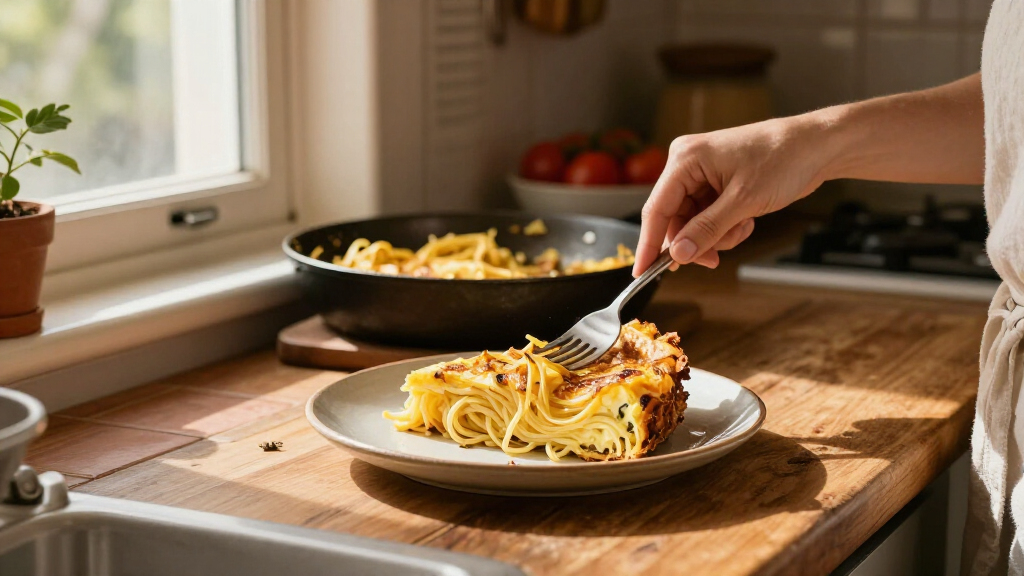
The dish is pasta-first: cooked noodles make up most of each serving, while eggs help hold the strands together. Grated cheese adds seasoning and contributes to the browned exterior. The result is cooked in a skillet until the base sets and the outside browns, then cut into wedges. The source describes spaghetti as a familiar choice, while noting that other cooked shapes can work.
Mad Tasting distinguishes bianca, made without tomato, from rossa, which includes tomato sauce. Plain or lightly oiled pasta can be used for either, while leftover spaghetti already coated in tomato sauce naturally suits the rossa style. The article cautions that excess sauce can leave the center soft, and that flipping before the base has set can cause the pasta to break apart.
The guide presents the recipe as adaptable rather than fixed. Small quantities of cheese, vegetables or cured meat can be added, and the amount of egg depends on the volume and moisture of the pasta. Its suggested visual cue is an even coating of egg mixture, not liquid pooling in the bowl. A finished wedge may be served warm, at room temperature or cold, and can be packed for a meal away from home.
Naples · Kitchen know-how
Frittata Di Pasta: Naples’ Genius Answer To Leftover Spaghetti
Cooked pasta, eggs and grated cheese become a browned, sliceable pie. Mad Tasting’s guide shows how to choose a style, bind the strands and flip at the right moment.
The idea
A pasta-first pie
Egg holds the cooked noodles together; cheese seasons the mixture and helps build a browned exterior.
“The egg mixture works like mortar between bricks.”Mad Tasting guide
01 / Choose your route
Bianca or rossa?
Let the pasta you already have guide the style. Both versions start with cooked noodles, egg and grated cheese; tomato changes the flavor and moisture.
Bianca No tomato
A simple, tomato-free version that lets pasta, egg and cheese carry the flavor.
- Good starting point: plain or lightly oiled cooked pasta
- Texture cue: a lightly coated mixture with no pooled liquid
Rossa Tomato sauce
Tomato brings color and acidity. Leftover spaghetti already dressed in sauce fits naturally.
- Good starting point: pasta coated in tomato sauce
- Watch for: excess sauce can leave the center soft
02 / The building blocks
Simple ingredients, careful texture
The guide treats the recipe as adaptable. Adjust egg to the amount and moisture of the pasta instead of relying on a fixed ratio.
01 · Foundation
Cooked pasta
Spaghetti is familiar, while shapes such as penne or rigatoni also work and create a chunkier slice.
02 · Binder
Beaten eggs
Egg binds the strands rather than becoming the main body. Add enough to coat the pasta evenly.
03 · Seasoning
Grated cheese
Cheese seasons the pie and contributes to its browned outside. Small amounts of vegetables or cured meat can also be added.
03 / From bowl to skillet
Let the base set
Slow cooking gives the underside time to firm up. Flipping too early can scatter the pasta or break the pie apart.
Look for an even coating
The egg mixture should cling to the pasta. If liquid pools at the bottom of the bowl, the mixture may be too wet to hold together well.
Start with leftovers
Use cooked pasta, choosing the sauce style to match what is already on it.
Bind the strands
Mix in beaten egg and grated cheese until the noodles are evenly coated.
Cook slowly
Press into a skillet and let the base set while the outside browns.
Flip, then slice
Turn only when the base holds; brown the other side and cut into wedges.
04 / The texture balance
Moisture makes the difference
There is no single pasta-to-egg ratio in the guide. Use these cues to help the mixture hold together while it cooks.
Kitchen cue
Coated, not swimming
The pasta should wear an even coat of egg mixture. Too much wet sauce can leave the center soft, so let the base firm before turning.
05 / Serving & keeping
A portable slice
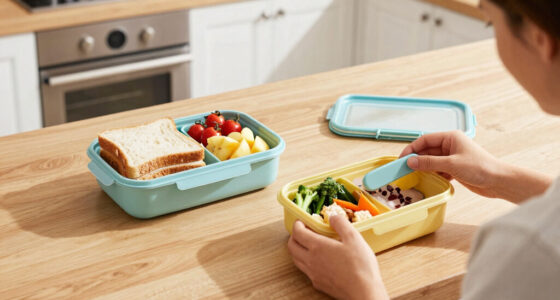
Once cooked, the pie can travel more easily than loose pasta. The guide gives broad serving options and advises prompt refrigeration for leftovers.
06 / What the guide specifies
Useful limits to know
The source outlines a practical method but leaves some recipe details open, so cooks will need to use texture cues and suitable food-safety guidance.
Is there an exact ratio?
No. Egg quantity depends on pasta volume and moisture; the guide offers an even-coating cue rather than a fixed formula.
Are timings or pan sizes given?
No exact cooking time, pan dimensions or internal temperature are specified. Cook until the base sets and the outside browns.
How long can it be stored?
The guide says to refrigerate promptly but does not name a storage limit. Follow local food-safety guidance for exact timings.
What is known about its history?
The material describes a Neapolitan tradition but does not cite historical records or research establishing its origins or prevalence.
A Practical Use for Pasta Leftovers
The dish offers a way to turn leftover pasta into a more portable meal without changing its central ingredients. Pressed into a firm pie, noodles that would otherwise be served loose can be cut into wedges and carried for lunch, a picnic or a day out. The guide describes this as a practical home-cooking tradition in Naples, though it does not provide historical documentation or evidence about how widely the dish is made today.
For readers cooking from leftovers, the method also shows why a simple ingredient list still requires attention to texture. Excess moisture can prevent the center from setting, while flipping too soon can break the pie apart. Choosing the style according to the sauce already on the pasta and cooking slowly are central to the guidance, rather than treating the dish as a fixed formula.
Products Worth Considering

Breville Bambino Espresso Machine, Brushed Stainless Steel

Vitamix 64 oz Low-Profile Blender Container with SELF-DETECT, BPA-Free

Vitamix 5200 Blender with 64 oz. Container, Black
As an affiliate, we earn on qualifying purchases.
Bianca, Rossa and the Pasta Base
Frittata di pasta differs from a conventional egg-led frittata in its proportions and texture. In the version described by Mad Tasting, pasta supplies most of the bite; eggs act as a binder rather than forming the main body of the dish. A forkful should show strands or pieces of pasta held together, not a mostly egg-based interior.
The two labels offer a straightforward guide to using what is already in the refrigerator. Bianca means no tomato, leaving the pasta, egg and cheese to provide the flavor. Rossa includes tomato sauce, bringing color and acidity. Spaghetti is the familiar base, but the guide says short shapes such as penne or rigatoni can also be used; they produce a chunkier texture. The source does not set a single required pasta-to-egg ratio.
“The egg mixture works like mortar between bricks.”
— Mad Tasting guide
Recipe Ratios and Storage Details
The source does not give a single standardized recipe, exact cooking times, pan dimensions or a precise egg-to-pasta ratio. It says the amount of egg depends on how much pasta is available and how wet it is. It also does not specify an internal cooking temperature or a maximum storage period. The guide advises refrigerating leftovers promptly because the dish contains cooked pasta and eggs, but readers seeking exact food-storage timings should follow local food-safety guidance.
The material describes the dish as a Neapolitan tradition and outlines common serving and preparation approaches, but it does not cite historical records, named cooks or research establishing the dish’s origins or prevalence. No new announcement, restaurant launch or change in culinary practice is reported; the development here is the publication of a cooking guide.
From Guide to Skillet
Mad Tasting’s material sets out a method rather than announcing a future event. A cook following it would start with cooked pasta, choose bianca or rossa according to the sauce, and mix in enough beaten egg and grated cheese to coat the noodles without leaving liquid pooled underneath. The mixture is then cooked slowly in a skillet until the base has set; only then should it be flipped to brown the other side.
The source recommends serving the finished pie warm, at room temperature or cold, and says leftovers should be refrigerated promptly. It does not provide a publication date, a subsequent release or further scheduled developments. Any exact cooking time or storage limit remains dependent on details not included in the supplied material.
Key Questions
What is frittata di pasta?
It is a Neapolitan pasta pie made by combining cooked pasta with eggs and grated cheese, then cooking the mixture in a skillet until it holds together and browns.
What is the difference between bianca and rossa?
Bianca is made without tomato. Rossa includes tomato sauce; pasta already coated in tomato is a natural starting point for that version.
Can pasta other than spaghetti be used?
Yes. The guide says other cooked shapes can work if the egg mixture coats and binds them. Short pasta such as penne or rigatoni gives the pie a chunkier texture than long strands.
How can I keep the pie from falling apart?
Avoid excess wet sauce and cook the mixture slowly. Wait until the base has set before flipping; turning it too early can scatter or break up the pasta.
How should leftovers be stored and served?
The guide says to refrigerate leftovers promptly because the dish contains cooked pasta and eggs. It can be served warm, at room temperature or cold; the source does not give a specific storage-duration limit.
Source: Mad Tasting