
To unclog your kitchen sink with a garbage disposal, start by turning off the disposal and using a plunger with a wet cloth over the overflow if applicable. Try dislodging the clog with vigorous plunging, then pour a mixture of baking soda and vinegar down the drain followed by hot water. If the clog persists, use a drain snake carefully. Keep these tips in mind, and you’ll find more solutions if you continue exploring.
Key Takeaways
- Turn off the garbage disposal and check for visible obstructions or debris in the drain area.
- Use a plunger with a wet cloth over the overflow hole to create a seal and dislodge minor clogs.
- Pour baking soda followed by vinegar into the drain, wait 15 minutes, then flush with hot water.
- Use a drain snake or auger carefully to break apart or remove stubborn blockages.
- Regularly flush with boiling water or vinegar solution to prevent future clogs and maintain drainage.
Has your kitchen sink suddenly stopped draining? It’s frustrating when water backs up and leaves you standing there, unsure of what to do next. The good news is that most clogs are manageable with some basic plumbing maintenance and a few effective drain cleaning techniques. Before calling in a professional, try troubleshooting the issue yourself. Often, the problem stems from a buildup of grease, food particles, or debris lodged somewhere in the pipes. Regular plumbing maintenance can help prevent these clogs from forming in the first place, but when they do happen, a strategic approach is necessary.
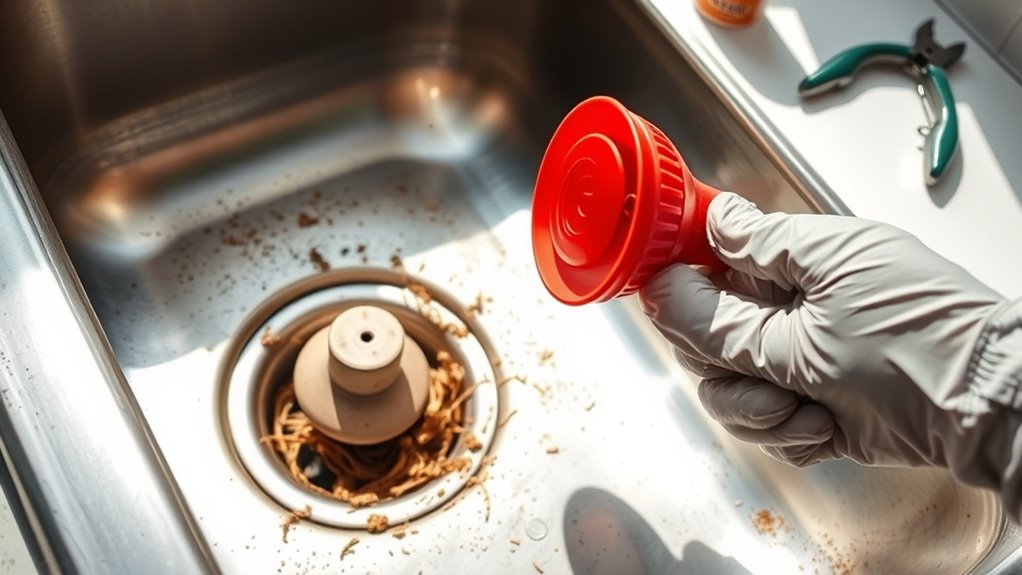
Start by inspecting the sink’s disposal and drain area. Sometimes, the clog is caused by something stuck in the garbage disposal or drain opening. Turn off the disposal and check for any visible obstructions. If nothing’s obvious, you can attempt to loosen debris with a plunger. Make sure to cover the overflow hole with a wet cloth to get a good seal, then plunge vigorously. This simple drain cleaning technique can dislodge minor clogs without the need for harsh chemicals or disassembly. If plunging doesn’t work, the next step is to try a homemade drain cleaning solution. Mix baking soda with vinegar and pour it down the drain, followed by hot water after about 15 minutes. This natural method often clears out grease and soap scum that cling to pipe walls.
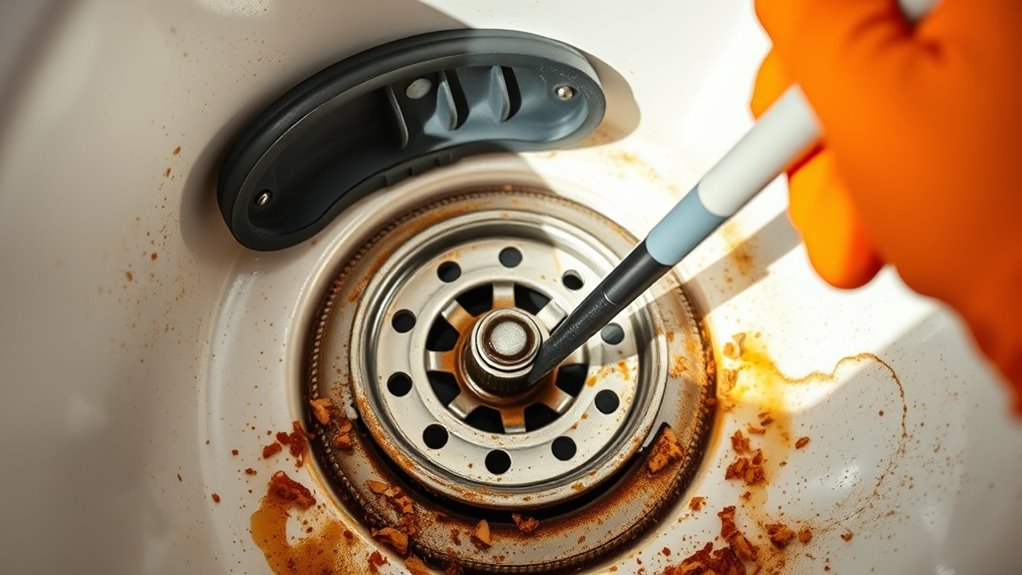
If the clog persists, it’s time to get more hands-on. Use a drain snake or auger to physically break up or pull out the blockage. Carefully insert the auger into the pipe and rotate it to catch or break apart the obstruction. Be gentle, as aggressive force can damage the pipes. Once you’ve removed the clog, flush the system with hot water to clear any remaining debris. Regular maintenance, like periodically pouring boiling water or a vinegar solution down the drain, can help keep buildup at bay. Also, avoid pouring grease or coffee grounds down your sink, as these substances are notorious for causing clogs. Recognizing the importance of regular plumbing maintenance can greatly reduce the frequency of clogs and extend your plumbing system’s lifespan.
In some cases, stubborn blockages require professional intervention. But often, with a little effort and proper drain cleaning techniques, you can restore your sink’s drainage and prevent future issues. Remember, routine plumbing maintenance not only keeps your sink flowing smoothly but also extends the lifespan of your plumbing system. By staying proactive and addressing clogs early, you’ll save time, money, and the hassle of dealing with more serious plumbing problems down the road.
Top picks for "unclog kitchen sink"
Open Amazon search results for this keyword.
As an affiliate, we earn on qualifying purchases.
Frequently Asked Questions
Can Chemical Drain Cleaners Damage My Pipes?
Chemical drain cleaners can pose chemical risks to your pipes, especially if used frequently or improperly. These harsh chemicals may cause pipe corrosion over time, weakening the material and leading to leaks or damage. If you want to avoid such risks, consider using safer, natural methods to clear clogs. Regular maintenance and cautious use of chemical cleaners help protect your pipes from long-term damage and preserve their integrity.
How Often Should I Clean My Garbage Disposal?
A stitch in time saves nine, so you should clean your garbage disposal weekly to prevent buildup. Regular disposal maintenance routines keep it running smoothly and avoid unpleasant odors or clogs. Simply grind ice and lemon peels or use baking soda and vinegar to freshen and clean. Staying consistent with disposal maintenance ensures long-term efficiency, saving you time and money while keeping your sink smelling fresh and functioning properly.
What Are Signs of a Seriously Clogged Sink?
You’ll notice a seriously clogged sink when water drains slowly or won’t drain at all, and you might hear gurgling sounds or see standing water. Persistent odors indicate buildup, affecting sink odor elimination and signaling plumbing maintenance is needed. If your sink smells bad despite cleaning, it’s a sign of a clog deep within the pipes. Address these issues promptly to prevent further damage and maintain a fresh, functional kitchen.
Is It Safe to Use a Plunger on a Garbage Disposal?
Using a plunger on your garbage disposal can be safe if you follow proper plunger safety tips to avoid disposal risks. I once watched a friend successfully clear a clog by gently plunging, like giving a gentle pump to a stubborn door lock. Be sure to cover the drain, use firm but controlled pressure, and avoid excessive force. If you’re unsure, check your disposal’s manual to prevent damage or leaks.
When Should I Call a Professional Plumber?
You should call a professional plumber when DIY maintenance and cost-effective solutions don’t work, and your sink remains clogged or draining slowly. If you notice persistent foul odors, leaks, or strange noises, it’s time to get expert help. Attempting further fixes might worsen the problem, leading to higher costs. A plumber can quickly diagnose and resolve issues, saving you time and preventing costly repairs down the line.
Conclusion
Just like Odysseus steering treacherous waters, you’ve now mastered the art of unclogging your kitchen sink. With these tips, you can face any stubborn blockage with confidence and skill, turning chaos into calm. Remember, every drain issue is a small chapter in your story of household mastery. Keep your tools ready and your mind sharp—soon, you’ll be the hero of your own plumbing myth, steering clear of future sink sagas.