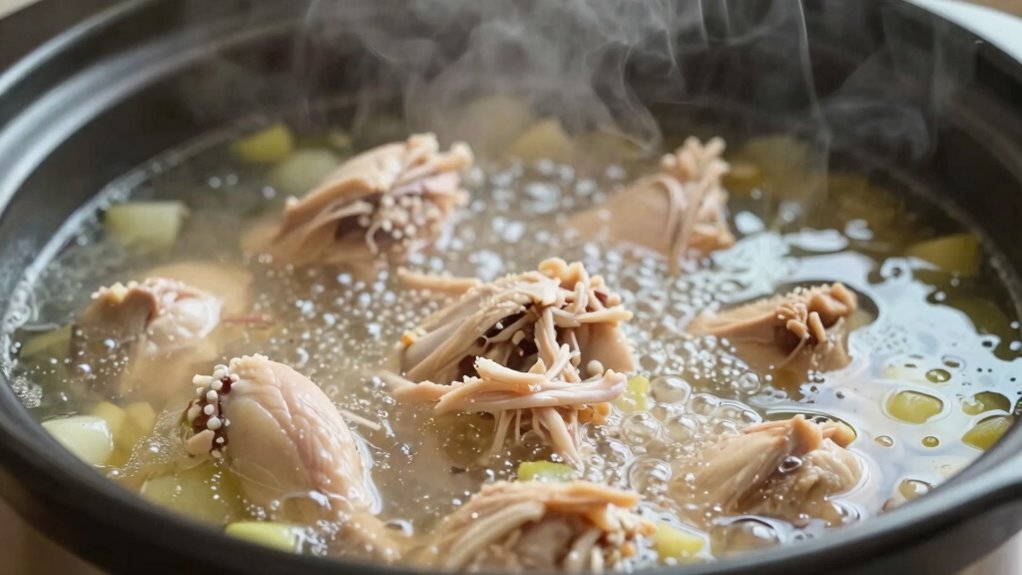

Your slow cooker meals can turn watery because ingredients like zucchini, tomatoes, and mushrooms release lots of moisture, especially if not cooked down first. Using a loose lid or adding too much liquid can also trap steam and cause excess liquid. To fix this, drain excess liquids, pat ingredients dry, and cook them beforehand. Adjusting cook time and lid fit helps too. For more tips on controlling moisture, keep exploring the best strategies to get that perfect consistency.

Get kitchen staples and gadgets delivered free — and shop member deals
- Fast, free delivery on millions of items
- Access to Prime Big Deal Days deals on October 6–7
- Prime Video, Amazon Music and more included
Key Takeaways
- High water content ingredients release excess moisture, making the dish watery if not properly cooked down.
- Using loose-fitting lids traps steam, increasing liquid retention and leading to a watery meal.
- Insufficient cooking time prevents natural evaporation, leaving too much liquid in the final dish.
- Not draining or patting dry ingredients releases unnecessary moisture during cooking.
- Adding too much initial liquid or not reducing it can cause the dish to become overly watery.
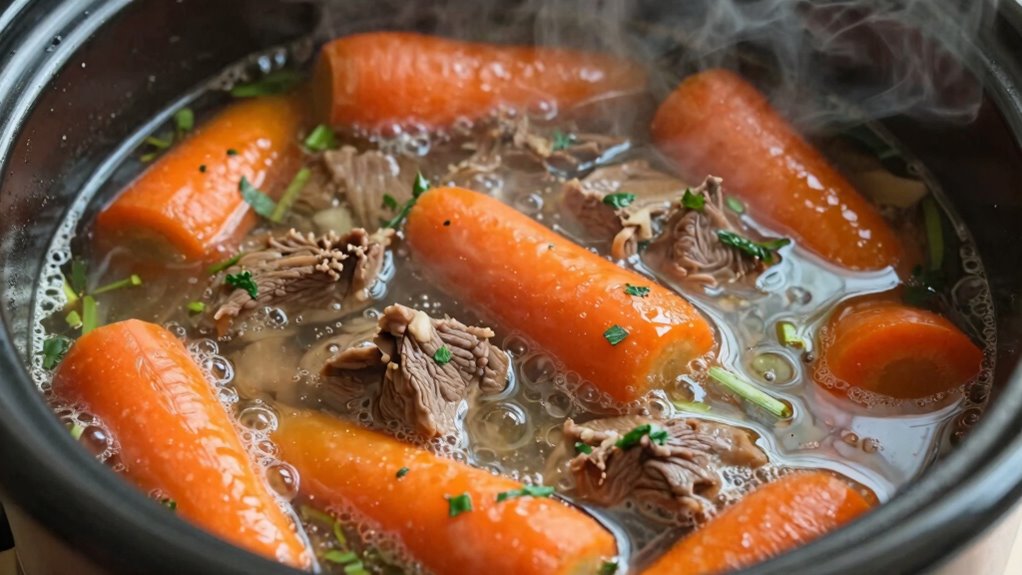
If your slow cooker meals are turning out watery, you’re not alone. It’s a common issue that often leaves home cooks frustrated, especially when they’ve followed a recipe carefully. The main culprits usually relate to ingredients consistency and cooking time. When ingredients aren’t properly prepared or the cooking process isn’t right, excess liquid can accumulate, making your dish overly soupy. Understanding how these factors influence your meal can help you troubleshoot and achieve a more desirable, thicker consistency.
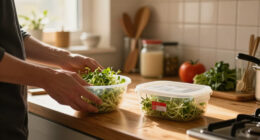
First, consider the ingredients you’re using. Some ingredients naturally release more liquid than others. For example, fresh vegetables like zucchini, tomatoes, or mushrooms contain high water content, which can add to the overall moisture in your dish. If these aren’t cooked down enough or added too early, they’ll release their moisture into the pot, resulting in a watery outcome. Similarly, meats with high water content or that haven’t been properly drained can contribute to excess liquids. To combat this, you might want to adjust your ingredients’ consistency before adding them to the slow cooker. Drain excess liquids, pat ingredients dry, or sear meats beforehand to reduce their moisture. Additionally, understanding the moisture content of ingredients can help you better predict how much liquid they might release during cooking. Proper preparation can prevent unnecessary excess moisture from accumulating. It’s also helpful to recognize how cooking time influences moisture release, as over- or undercooking can significantly affect the dish’s final texture.
Choose ingredients carefully; drain, pat dry, or sear meats to prevent excess watery dishes.
Cooking time also plays an essential role. Slow cookers are designed to cook food over several hours, but if you don’t give your dish enough time, it may not have the chance to thicken properly. Conversely, overcooking can also break down ingredients too much, releasing more water than desired. Finding the right balance is key. For recipes that tend to turn watery, try increasing the cooking time slightly to allow excess moisture to evaporate naturally, especially if you’re using ingredients that release a lot of water. On the other hand, if you notice a dish is too watery early on, reducing the initial liquid or removing the lid during the last part of cooking can help excess moisture escape.
Lastly, pay attention to the lid placement and whether your slow cooker’s lid fits tightly. A lid that’s slightly loose can cause moisture to escape prematurely, while a tight-fitting lid traps steam, leading to more liquid retention. Adjusting cooking time, preparing ingredients properly, and monitoring the lid fit can all make a significant difference. With some adjustments, you can turn your watery slow cooker meals into hearty, flavorful dishes with the perfect consistency every time.
slow cooker lid with adjustable vent
As an affiliate, we earn on qualifying purchases.
As an affiliate, we earn on qualifying purchases.
Frequently Asked Questions
Can Adding Salt Early Cause a Watery Slow Cooker Meal?
Yes, adding salt early can cause your slow cooker meal to turn watery. Salt influences seasoning timing and can draw out moisture from ingredients, especially vegetables. When added at the beginning, it gives ingredients more time to release their moisture, making the dish more watery. To avoid this, add salt later in the cooking process or adjust other ingredients’ moisture levels. This helps you control the consistency better.
Does Overfilling the Slow Cooker Lead to Excess Liquid?
Yes, overfilling your slow cooker can cause excess liquid. When you fill it beyond the recommended level, the cooking temperature can drop slightly, preventing proper evaporation. Additionally, improper ingredient ratios, like too much liquid or watery ingredients, contribute to this issue. To avoid a watery meal, stick to the fill line, balance ingredients correctly, and guarantee proper cooking temperature. This way, your dish stays flavorful and well-textured.
Should I Remove the Lid During Cooking to Reduce Wateriness?
Yes, removing the lid during cooking can help reduce wateriness. When you lift the lid, you allow moisture to evaporate through cooking evaporation, which can thicken your dish and prevent excess liquid from accumulating. Just be mindful to do it only during the last part of cooking so you don’t lose too much heat or extend cooking time. This simple step helps achieve a better consistency for your slow cooker meals.
How Does the Type of Meat Affect the Liquid Content?
Like a knight choosing armor, selecting the right meat impacts your dish. Different meats influence liquid content because of their cooking time and tenderness. For instance, tougher cuts like brisket need longer cooking, releasing more juices, which can make your meal watery if not managed. Conversely, chicken breasts cook quickly and retain less liquid. Adjust cooking times accordingly, and choose meat types based on desired tenderness to avoid excess liquid and guarantee perfect consistency.
Can Using Frozen Ingredients Increase the Likelihood of a Watery Dish?
Using frozen ingredients can increase the likelihood of a watery dish because they release excess moisture as they thaw, which can dilute flavors and create a watery consistency. To prevent this, you should thaw ingredients first and drain any excess liquid. Keep in mind that properly prepared frozen ingredients can still retain flavor, but managing moisture is key to maintaining a hearty, flavorful slow cooker meal.
As an affiliate, we earn on qualifying purchases.
Conclusion
Understanding why your slow cooker meals turn watery helps you improve your cooking. Remember, about 60% of home cooks report ending up with watery dishes at least once, often due to excess liquid or improper lid use. By adjusting ingredients and cooking times, you can achieve the perfect consistency. Next time, keep an eye on the liquid levels, and your meals will be hearty and flavorful instead of watery. Happy cooking!
slow cooker ingredient drain and dry tools
As an affiliate, we earn on qualifying purchases.
As an affiliate, we earn on qualifying purchases.
slow cooker moisture control accessories
As an affiliate, we earn on qualifying purchases.
As an affiliate, we earn on qualifying purchases.
NFL season / tailgating Picks
team gear
As an affiliate, we earn on qualifying purchases.