
TL;DR

Get kitchen staples and gadgets delivered free — and shop member deals
- Fast, free delivery on millions of items
- Access to Prime Big Deal Days deals on October 6–7
- Prime Video, Amazon Music and more included
A rising group of immigrant-led barbecue joints is transforming American barbecue by integrating global flavors. This third wave emphasizes authenticity and cultural innovation, gaining recognition and challenging traditional notions.
Immigrant pitmasters across the United States are leading a third wave of barbecue innovation, blending their cultural roots with traditional American techniques. This movement is gaining recognition, challenging longstanding notions of authenticity, and reshaping the nation’s barbecue landscape.
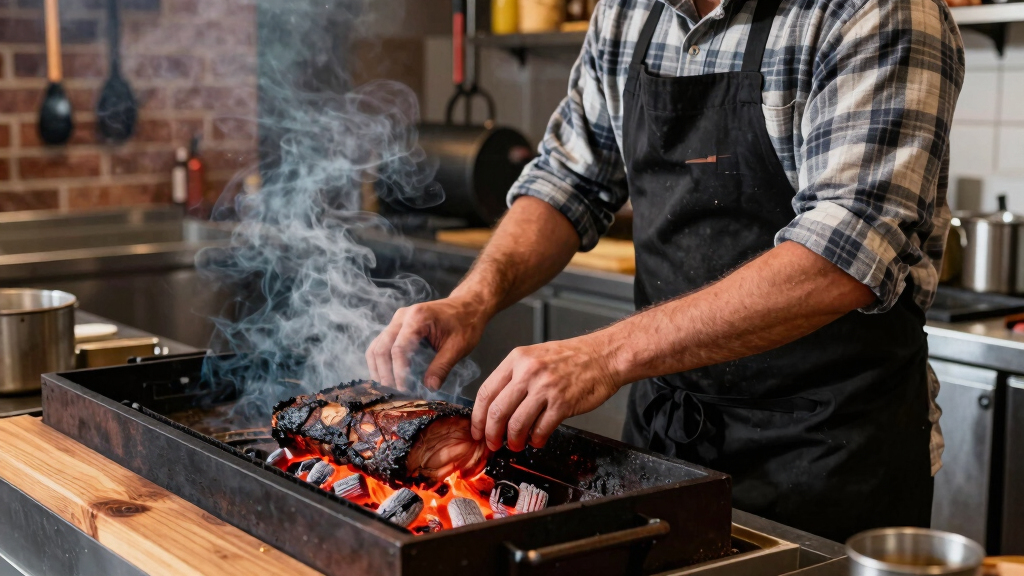
At Buck Tui BBQ in Overland Park, Kansas, pitmaster Ted Liberda combines Thai flavors with classic American barbecue, marinating brisket in fish sauce and smoking it for 16 hours. Liberda, whose background includes Thai and Kansas roots, describes his approach as Kansas City barbecue with Thai inspiration. His menu features dishes like pad Thai and brisket rangoons, reflecting his cultural fusion.
Similarly, in California, Winnie Yee’s Smoke Queen Barbecue emphasizes authentic Chinese influences in her barbecue offerings, defying critics who dismiss immigrant-led innovations as inauthentic. Yee and Liberda are part of a broader movement of third-wave pitmasters who are self-taught, scrappy, and redefining what it means to be American in the culinary realm.
Across the country, chefs like Don Nguyen in Houston and Kareem El-Ghayesh in Austin are creating Viet-Tex barbecue and Egyptian-inspired barbecue, blending regional flavors with traditional techniques. Their work has garnered national attention, with King BBQ in Charleston earning a spot on Bon Appétit’s BA’s Best New Restaurants 2024 list, and Liberda’s wife, Pam Liberda, being a James Beard semifinalist in 2023.
Cultural Innovation Reshaping American Barbecue
This emerging movement matters because it highlights how immigrant communities are influencing and expanding the definition of American barbecue. It also reflects broader trends of cultural expression and culinary diversity amid political and social challenges faced by immigrant groups. These pitmasters are not only elevating their own heritage but also pushing the entire industry toward more inclusive, authentic, and innovative practices.
As an affiliate, we earn on qualifying purchases.
Evolution of American Barbecue and the Third Wave
American barbecue has historically been shaped by regional styles—Memphis, Texas, Kansas City, and the Carolinas—each with distinct techniques and flavors. The second wave, driven by the craft barbecue renaissance of the 2010s, emphasized high-quality meat and refined techniques, often treating barbecue as fine dining. Now, the third wave, led by immigrant pitmasters, is challenging traditional boundaries by infusing barbecue with diverse cultural influences, emphasizing authenticity and personal heritage.
Figures like Aaron Franklin and establishments like Franklin’s Barbecue helped popularize barbecue nationally, but the current wave is distinct in its focus on cultural blending and innovation. These new pitmasters often operate outside traditional industry pathways, many self-taught, and are redefining what it means to be authentic in American barbecue.
“We are authentic to what we do. It’s Kansas City barbecue with Thai inspiration.”
— Ted Liberda
As an affiliate, we earn on qualifying purchases.
Unconfirmed Aspects of the Movement’s Future
While these pitmasters are gaining recognition and awards, it is still unclear how widespread their influence will become within the broader American barbecue industry. The long-term acceptance of their cultural fusion approaches and whether they will reshape industry standards remains to be seen. Additionally, some critics continue to question the authenticity of these innovations, and debates over cultural appropriation versus cultural expression persist.
As an affiliate, we earn on qualifying purchases.
Next Steps for the Third Wave of Barbecue
As recognition grows, more immigrant pitmasters are likely to open establishments and gain national attention. Industry organizations and culinary awards may increasingly acknowledge this movement, further legitimizing their approaches. Meanwhile, traditionalists may continue to debate the boundaries of authenticity, but the trend toward cultural blending in barbecue appears set to expand. Expect more diverse menus and increased media coverage highlighting these innovations in 2024 and beyond.
As an affiliate, we earn on qualifying purchases.
Key Questions
Who are the leading figures in the new wave of American barbecue?
Notable figures include Ted Liberda of Buck Tui BBQ, Winnie Yee of Smoke Queen Barbecue, Don Nguyen of Khói Barbecue, Kareem El-Ghayesh of KG BBQ, and Shuai Wang of King BBQ. They are known for blending cultural influences with traditional techniques.
What makes this movement different from previous barbecue trends?
This third wave emphasizes authentic cultural influences rather than mere fusion, with many pitmasters self-taught and driven by personal heritage. It challenges the notion that barbecue must adhere strictly to regional or traditional standards.
Are these immigrant-led barbecue joints considered authentic?
Many proponents argue that their approaches are authentic to their cultural roots and represent a legitimate evolution of American barbecue. Critics, however, sometimes question their authenticity, sparking ongoing debates within the industry.
How are these pitmasters influencing the industry?
They are expanding the definition of American barbecue, inspiring other chefs, and gaining awards and recognition. Their success is encouraging more diverse culinary expressions within the barbecue scene.
What challenges do these pitmasters face?
They often encounter skepticism from traditionalists and critics who question their authenticity. Additionally, operating outside established industry pathways can pose financial and logistical challenges, especially for self-taught entrepreneurs.
Source: Bon Appétit
NFL season / tailgating Picks
team gear
As an affiliate, we earn on qualifying purchases.