
Start by locating the strongest burnt smell, focusing on areas like the kitchen or laundry room. Check appliances such as the oven, microwave, dishwasher, or washing machine for scorch marks, burnt residue, or overheating sounds. Turn off and unplug devices before inspecting or cleaning them thoroughly. If the smell persists, it could indicate a deeper issue, so stay tuned to learn more about identifying and fixing the culprit quickly.
Key Takeaways
- Identify the area with the strongest burnt smell to pinpoint the likely appliance source.
- Inspect appliances like ovens, microwaves, dishwashers, and laundry machines for visible signs of burning or residue.
- Turn off and unplug appliances before examining internal components or cleaning to ensure safety.
- Check for burnt or scorched food, grease splatters, or damaged wiring that may cause the odor.
- Perform regular maintenance and cleaning to prevent future burnt smells and detect issues early.

A burnt smell in your home or appliance can be alarming, but it doesn’t always mean serious damage. Often, it’s a sign that something needs your attention, and with proper odor detection, you can identify the source quickly. Start by paying close attention to where the smell is strongest. Is it coming from your kitchen, laundry room, or another area? This initial step narrows down potential culprits. Once you have a general idea, consider the appliances in that space—your oven, microwave, dishwasher, or laundry machines. Each of these can produce burnt odors if they malfunction or require maintenance.
A burnt smell often signals a need for appliance maintenance or inspection.
If the smell seems to be emanating from your kitchen appliances, focus on your oven and stove first. Burnt smells often originate from food spills or overheating components. For example, grease splatters on heating elements or food residues in the oven can produce a burnt odor. Regular appliance maintenance, such as cleaning oven racks, heating elements, and drip pans, can prevent these smells from developing. If you notice smoke or scorch marks, turn off the appliance immediately and inspect for any visible damage or debris. Sometimes, a simple cleaning restores proper function and eliminates the odor.
In the case of microwaves, burnt smells might come from overheated food or a malfunctioning magnetron. Turn off the microwave and inspect the interior for burned or spilled food. Cleaning thoroughly and ensuring there’s no trapped debris can resolve the issue. If the smell persists despite cleaning, it might be a sign of a faulty component, requiring professional repair. Additionally, understanding appliance safety precautions can help prevent accidents and damage from occurring.
When it comes to appliances like dishwashers or washing machines, burnt odors can result from overheated motors or clogged filters. Regular appliance maintenance, including cleaning filters and checking hoses, helps prevent these issues. If you smell something burnt after running these appliances, turn them off and perform a visual inspection. Look for signs of wear or burnt wiring, which might need professional attention.

XANGNIER Heavy Duty Oven Cleaner Brush Sets,Oven Cleaning Kits Tools Accessories
Oven Cleaning Solution: Still looking for a cleaning tool to deep clean your oven? Come and try this…
As an affiliate, we earn on qualifying purchases.
As an affiliate, we earn on qualifying purchases.
Frequently Asked Questions
Can Burnt Smells Indicate a Fire Hazard?
Burnt smells can definitely indicate a fire hazard, so you should take them seriously. They often signal overheating or electrical issues in appliances, which can lead to fires if ignored. For fire safety, regularly check and maintain your appliances to prevent problems. If you smell burnt odors, turn off the appliance and inspect it immediately. Addressing these smells promptly helps keep your home safe and reduces fire risks.
How Often Should Appliances Be Cleaned to Prevent Smells?
You should clean your appliances regularly to prevent burnt smells. Follow a consistent cleaning schedule—at least once a month for appliances like your oven, microwave, and toaster. Regular appliance maintenance helps remove grease, food debris, and dust that can cause odors or even fire hazards. Staying on top of cleaning schedules guarantees your appliances run smoothly and smell fresh, reducing the risk of burnt odors and potential safety issues.
Are Burnt Smells Always Linked to Electrical Issues?
Burnt smells are not always linked to electrical issues; they can also stem from appliance maintenance problems or residual debris. Think of odor detection as a detective’s skill—pinpointing the source requires careful observation. While electrical faults can cause burning odors, routine cleaning and proper upkeep often eliminate them. Always check appliances for dust, spills, or worn parts, as these often produce smells before electrical malfunctions occur.
Can Burnt Smells Damage My Home’s Air Quality?
Burnt smells can negatively impact your home’s air quality, especially if the odor lingers or is absorbed by furniture and fabrics. Prolonged exposure may cause respiratory issues or discomfort. To minimize the air quality impact, ventilate your space well and clean or replace affected appliances. Using air purifiers can also help remove lingering odors and improve overall air quality, ensuring your home remains safe and comfortable.
Is It Safe to Use Appliances After a Burnt Smell Appears?
It’s not safe to use appliances after a burnt smell appears until you identify and address the issue. You should perform proper appliance maintenance, such as cleaning and inspecting for damage, to prevent further hazards. If the smell persists, unplug the appliance and seek professional odor removal or repairs. Ignoring the smell can worsen damage or cause fire risks, so always prioritize safety before resuming use.

12" Microwave Replacement Turntables, Microwave Glass Plate Compatible with Replacement Part of W11367904/ W10337247/ AP6892124/ W11335034/ WPW10337247 etc – Dishwasher Safe
CALPALMY EXACT REPLACEMENT 12" MICROWAVE GLASS PLATE – This glass turntable plate has an outer diameter of 12…
As an affiliate, we earn on qualifying purchases.
As an affiliate, we earn on qualifying purchases.
Conclusion
Now that you know how to identify the culprit behind that burnt smell, you’re almost there. But what if the source isn’t as obvious as a forgotten snack or a overheated cord? The mystery deepens, and the stakes get higher. Keep your senses sharp—sometimes, the real danger lurks where you least expect. Are you ready to uncover the hidden threat before it’s too late? The next clue could be just around the corner.
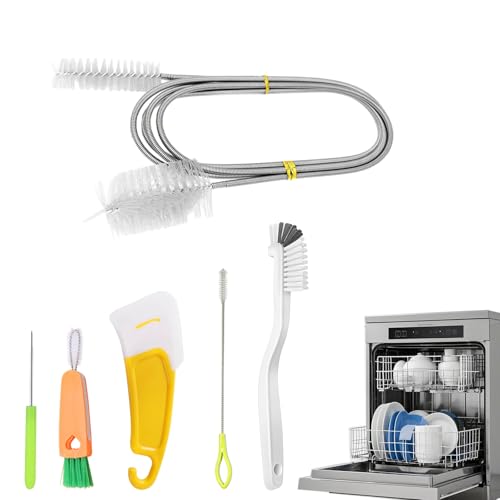
Dishwasher Cleaner Brush Kit – 6PCS Deep Cleaning Tools with Pick, Scraper, Straw Brush, Gap & Angle Brush, Flexible Tubes Brush for Spotless Dishwasher
Deep Clean Every Corner Tackle hidden grime with our 6-piece brush kit! Includes a pick, silicone scraper, straw…
As an affiliate, we earn on qualifying purchases.
As an affiliate, we earn on qualifying purchases.

Seentech Heavy Duty 285753A METAL Core Motor Coupling Kit for Whirlpool & Kenmore Washers – Replaces Part Numbers: AP3963893 PS1485646 1195967 285753AVP 21003 280152 285140 285743
MODEL NUMBER: 285753A Metal Motor Coupling Kit. Replaces part numbers: AP3963893, 1195967, 280152, 285140, 285743, 285753, 285753AVP, 3352470,…
As an affiliate, we earn on qualifying purchases.
As an affiliate, we earn on qualifying purchases.