
TL;DR
Reservation platforms are now fragmented, forcing diners to juggle multiple apps and websites. This shift complicates the process and affects user experience, driven by industry moves and platform competition.
Making restaurant reservations in New York City has become more complicated and frustrating, as diners now face multiple platforms and inconsistent booking systems. This shift is driven by industry moves and platform competition, affecting everyday diners and restaurant operations alike.

Get kitchen staples and gadgets delivered free with Prime
- Fast, free delivery on millions of items
- Prime Video, Amazon Music and more included
- Member-only deals all year
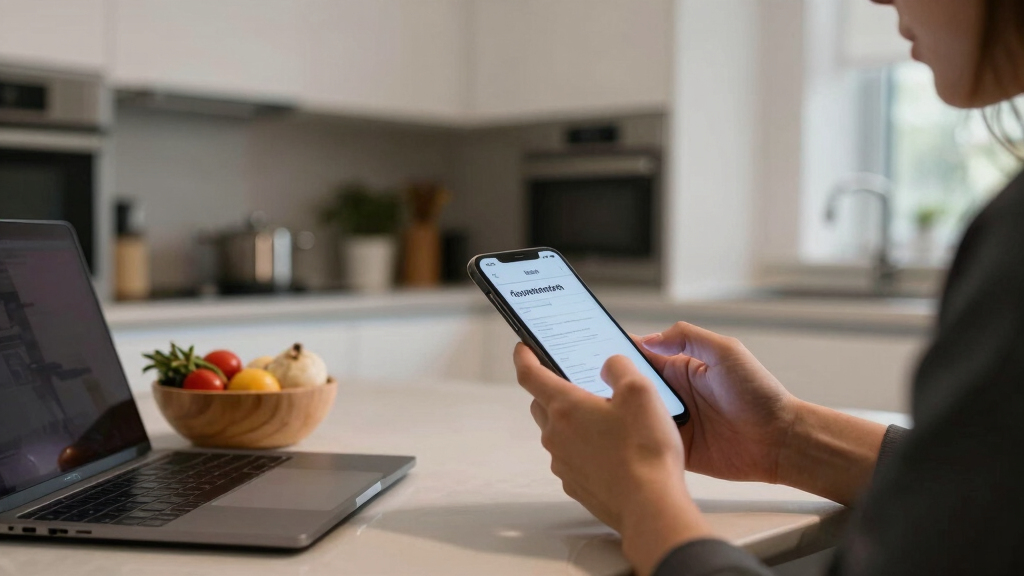
Over the past year, the reservation landscape has shifted significantly, with many restaurants moving from well-known platforms like Resy and OpenTable to newer or alternative services such as DoorDash Reservations and Google Reserve. These changes are often communicated via email, requiring diners to download new apps or navigate different websites, complicating the booking process.
For example, some restaurants like Adda have transitioned from Resy to DoorDash Reservations, powered by SevenRooms, while others like Swoony’s suggest booking via their website or Google Reserve, both of which are also operated by SevenRooms. This proliferation of platforms means diners must keep track of which app or site a restaurant uses, leading to increased frustration and confusion.
Industry insiders attribute these shifts to the so-called ‘reservation wars,’ where platforms compete for dominance through financial incentives and technological upgrades. Major players like Resy, OpenTable, and newer entrants like TheFork, now part of Amex, are vying for market share, resulting in a fragmented experience for users.
Implications of Reservation Platform Fragmentation
This fragmentation impacts diners by making it more difficult to find and book tables seamlessly, reducing convenience and increasing reliance on multiple apps or search methods. For restaurants, it offers more options but also complicates management and customer engagement. The overall trend risks diminishing the ease of dining out, especially for casual or less tech-savvy customers, and may influence restaurant patronage patterns.Products Worth Considering

Ninja SP101 8-in-1 Digital Air Fry Countertop Oven, Silver

KitchenAid Artisan 5-Quart Tilt-Head Stand Mixer, Almond Cream

Weber Searwood 600 Wood Pellet Smoker Grill, Black
As an affiliate, we earn on qualifying purchases.
Evolution of Reservation Systems and Industry Competition
In recent years, the reservation landscape has shifted from a few dominant platforms to a more crowded field, with companies like Resy, OpenTable, Tock, and TheFork vying for restaurant partnerships. The entry of DoorDash into reservations, following its acquisition of SevenRooms in 2025, exemplifies this trend. These moves have been driven by the desire to capture more market share and capitalize on the growing food delivery and reservation integration market. The result is a more complex environment for consumers, with some restaurants switching platforms frequently to maximize visibility and revenue.“Making reservations now feels like navigating a maze of apps and websites, with no clear, unified experience.”
— Eater source
What Future Changes Could Simplify Reservations?
It is not yet clear whether industry consolidation or technological standardization will occur to streamline reservations. The ongoing platform competition suggests that complexity may persist or even increase, but specific plans or regulations to address this are still emerging.Potential Industry Moves and Consumer Adaptation
Expect further platform integrations, possible industry consolidation, or new standards aimed at simplifying reservations. Restaurants and diners will need to adapt to these changes, which could either improve or further complicate the booking process depending on how the industry evolves. Monitoring platform mergers or new tech solutions will be key in the coming months.Key Questions
Why are so many reservation platforms competing now?
Platforms are competing to capture a larger share of the growing restaurant reservation and food delivery market, often driven by financial incentives and technological advancements.
Will reservations become easier again?
It is uncertain. Industry consolidation or standardization could simplify the process, but current trends suggest ongoing fragmentation may continue.
How does this affect restaurants?
Restaurants face more choices for booking platforms, which can increase visibility but also complicate management and customer communication.
Are there benefits to this platform proliferation?
Some benefits include access to exclusive offers and increased competition leading to better features, but these are often limited to certain credit card holders or loyalty programs.
What should diners do to navigate this system?
Diners should keep track of which platforms their favorite restaurants use and consider bookmarking or noting preferred booking methods to save time and frustration.
Source: Eater