
TL;DR
Listen free for 30 days with Audible
Thousands of audiobooks and originals — cancel anytime.
Start your free trialAs an affiliate, we earn on qualifying purchases.
Mount Etna is emerging as a major player in Italian wine, attracting growing international attention. While vineyard expansion and wine quality are confirmed, detailed industry impacts remain under study. Italian wine clubs are increasingly popular among enthusiasts. This trend could reshape regional wine dynamics, similar to how Italian wine subscription boxes are transforming wine appreciation.
Mount Etna is increasingly recognized as a significant force in Italian wine production, with reports of expanding vineyards and rising international interest. While official industry data is still being compiled, the trend suggests a potential reshaping of regional prominence in Italy’s wine landscape.
Over the past year, vineyards on Mount Etna have expanded significantly, with reports indicating a 15-20% increase in planted acreage, according to local wine associations. For more on Italian wines, see Ruby’s Wine House Review. This growth coincides with rising global demand for Etna wines, which are gaining recognition for their unique volcanic terroir and quality. Several wineries have invested in new facilities and technology, aiming to boost production and export capacity.
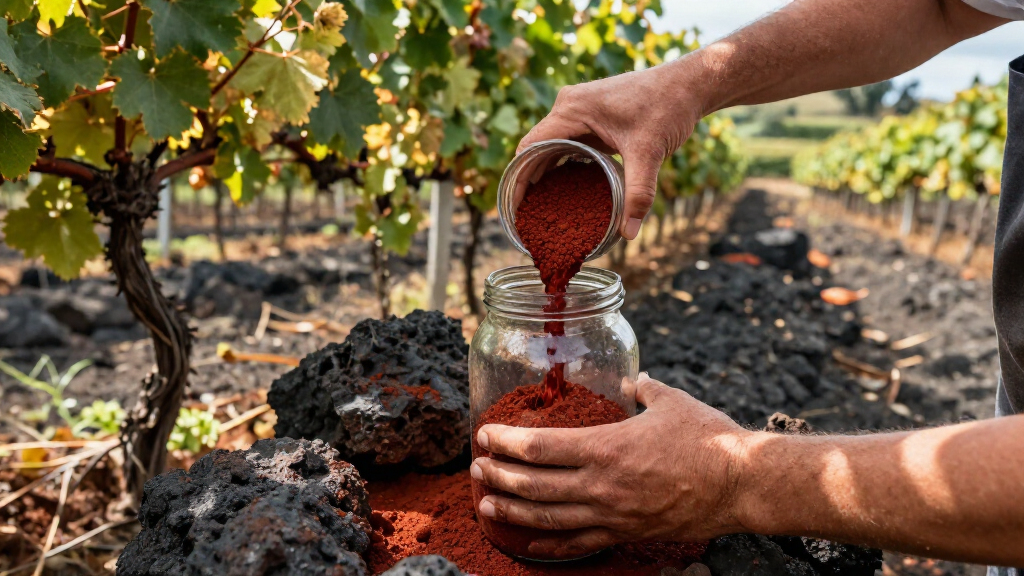
Industry experts note that the region’s wine quality continues to improve, with recent vintages receiving higher scores from international critics. The unique volcanic soil and microclimate of Mount Etna are increasingly being highlighted as key factors behind the wines’ distinctive character. However, official industry-wide statistics and export figures are still being compiled, and comprehensive data on the economic impact remains unavailable.
Impact of Mount Etna’s Growing Wine Industry
The expanding vineyards and rising global interest in Mount Etna wines could alter Italy’s regional wine hierarchy, potentially positioning Etna as a major wine destination alongside traditional regions like Tuscany and Piedmont. This shift may influence market dynamics, tourism, and regional branding. For local producers, increased recognition offers economic opportunities but also presents challenges related to sustainable growth and environmental preservation.
As an affiliate, we earn on qualifying purchases.
Historical and Current Trends in Mount Etna’s Viticulture
Mount Etna has a long history of viticulture, with archaeological evidence of wine production dating back centuries. In recent decades, the region has gained renewed attention for its volcanic soils and unique microclimate, which produce distinctive wines. The last ten years have seen a steady increase in vineyard plantings and international recognition, culminating in a notable surge over the past 12 months.
Industry observers suggest that this trend is driven by both the region’s natural terroir and a broader global shift toward wines with unique, terroir-driven profiles. While some experts caution that full industry data is still being collected, the current trajectory indicates a significant upward movement for Mount Etna’s wine sector.
As an affiliate, we earn on qualifying purchases.
Unconfirmed Industry Data and Future Projections
While vineyard expansion and rising global interest are confirmed, detailed industry-wide statistics, export figures, and economic impact assessments are still being collected. It remains unclear whether this growth is sustainable long-term or if it will be matched by infrastructure and environmental capacity. Additionally, official classifications and recognition from national wine authorities are still in progress, leaving some aspects of the region’s official status uncertain.
As an affiliate, we earn on qualifying purchases.
Next Steps for Mount Etna’s Wine Sector Development
Industry stakeholders anticipate that official data and export figures will be released in the coming months, providing clearer insight into the economic impact. Wineries are expected to continue expanding, with some planning new vineyards and facilities. Additionally, regional and national authorities may accelerate efforts to formalize Etna’s status within Italy’s wine classification system, further boosting its profile. Monitoring these developments will be key to understanding the full scope of Mount Etna’s rising influence.
As an affiliate, we earn on qualifying purchases.
Key Questions
What is driving the growth of Mount Etna’s vineyards?
The growth is driven by increasing global demand for unique volcanic wines, local investment in vineyard expansion, and rising recognition of Etna’s distinctive terroir and wine quality.
Are Mount Etna wines gaining recognition internationally?
Yes, recent vintages have received higher scores from critics, and international buyers are showing increased interest, although comprehensive export data is still being compiled.
What challenges does the region face with this growth?
Potential challenges include environmental sustainability, infrastructure capacity, and the need for official recognition within Italy’s wine classification system.
When will official industry statistics be available?
It is not yet clear, but industry reports and export figures are expected to be released in the next few months, providing more definitive data.
Could Mount Etna rival traditional Italian wine regions?
While growth is promising, whether Etna will rival established regions like Tuscany depends on sustained quality, recognition, and market expansion over the coming years.
Source: rss
Flea & tick season Picks
flea and tick prevention
As an affiliate, we earn on qualifying purchases.