
TL;DR

Get kitchen staples and gadgets delivered free with Prime
- Fast, free delivery on millions of items
- Prime Video, Amazon Music and more included
- Member-only deals all year
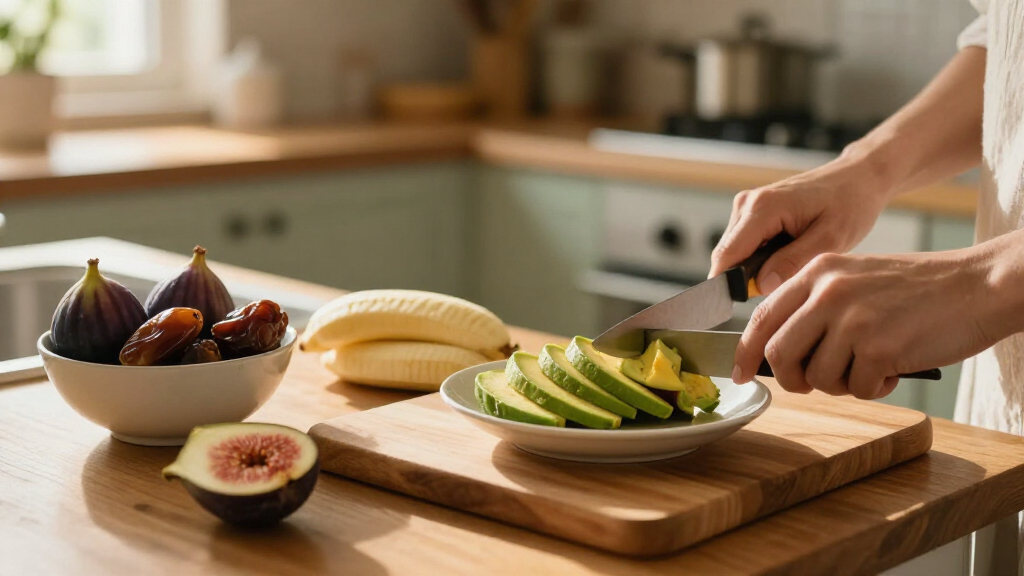
A Good Housekeeping report identifies figs, passion fruit, apricots, bananas, papaya, blackberries, kiwi, avocados and oranges as fruits that provide magnesium. It gives specific magnesium amounts for one medium banana and a one-cup serving of blackberries, but the supplied report does not state amounts for the other fruits or establish that eating them prevents disease.
Good Housekeeping has published a list of nine fruits that provide magnesium, naming figs, passion fruit, apricots, bananas, papaya, blackberries, kiwi, avocados and oranges. The report says a medium banana contains 32 milligrams of magnesium and a one-cup serving of blackberries has 28.8 milligrams; it does not give serving-based figures for the other fruits in the material provided.
The list covers fruits with different nutrient profiles, but the source does not rank them by magnesium content or specify a comparable serving size for all nine. That limits what readers can conclude about which fruit provides the most magnesium. The two figures supplied are tied to their stated portions: one medium banana and one cup of blackberries.
Good Housekeeping also describes blackberries as a source of fiber, antioxidants, calcium, potassium and vitamins A, B, C, E and K. It points to anthocyanins, plant pigments that give the berries their deep color. For bananas, the report mentions potassium and refers to research on potential health effects of compounds in the fruit and peel. Those broader health statements are not supported with study details in the supplied material.
The report identifies Laura Iu, a registered dietitian nutritionist, as a source and describes her nutrition practice and professional background. The supplied text does not include a direct quotation from Iu or a detailed explanation of how much magnesium people need, how the fruits were selected, or what data source was used for the nutrient amounts.
How the Fruit List Can Help
For readers looking to add magnesium-containing foods to meals, the list offers several familiar choices rather than a single recommended food. Bananas and blackberries are the only entries with amounts stated in the provided report, allowing readers to see their magnesium content in specified portions. Those figures are useful as reference points, but they do not by themselves show how much of a person’s daily needs the fruit supplies.
Magnesium is a nutrient obtained from food, but this source does not say that these fruits treat or prevent a health condition. The report’s wider claims about possible health benefits should be read as general statements, not as proof that eating a particular fruit will prevent heart disease, diabetes or cancer. Individual nutritional needs can vary, and the article material provided does not offer personalized dietary advice.
Products Worth Considering

Traeger Pro 22 Wood Pellet Grill and Smoker, 572 sq. in.

Cuisinart Deep Fryer, 4 Quart, CDF-200P1

Vitamix Propel Series 510 Professional-Grade Blender, 3 Programs, Black
As an affiliate, we earn on qualifying purchases.
What the Report Actually Lists
The Good Housekeeping article is framed as a consumer guide to nine magnesium-containing fruits. Its list includes figs, passion fruit, apricots, bananas, papaya, blackberries, kiwi, avocados and oranges. The supplied material contains no publication date, full methodology, complete nutrient table or links to the underlying evidence, so those details cannot be independently assessed here.
The figures cited in the report are 32 milligrams for a medium banana and 28.8 milligrams per cup of blackberries. Nutrient amounts depend on the serving described, and these two values should not be treated as a direct comparison unless portion sizes and measurement methods are aligned. No values are provided in the supplied text for the other seven fruits.
Missing Serving Sizes and Evidence
The source material does not state how much magnesium is in a serving of figs, passion fruit, apricots, papaya, kiwi, avocado or oranges. It also does not explain whether the amounts were taken from a nutrition database, product testing or another reference. Without consistent portions and a stated data source, readers cannot use this list to rank all nine fruits reliably.
The report refers to possible health effects, including claims about blackberries and heart disease and compounds in banana peel, but the supplied material does not identify the studies, their methods or the strength of the evidence. It is therefore unclear what evidence supports those statements or how they apply to people’s health. No direct comments from the dietitian are included in the source excerpt.
Check Portions and Nutrition Data
Readers comparing foods for magnesium can look up nutrition information tied to a clearly defined serving and use a consistent reference source. The supplied report does not indicate whether it will publish additional serving figures or supporting research for the remaining fruits. Until those details are available, the banana and blackberry values are the only quantified examples in the source material, and the other entries should be treated as a list rather than a ranked guide.
Anyone considering dietary changes to address a health concern can seek advice from a registered dietitian or health professional. The article itself does not provide individualized recommendations or establish that these fruits can replace medical care.
Key Questions
Which nine fruits does the report name?
Good Housekeeping lists figs, passion fruit, apricots, bananas, papaya, blackberries, kiwi, avocados and oranges.
How much magnesium is in a banana, according to the report?
The report says one medium banana provides 32 milligrams of magnesium.
How much magnesium is in blackberries?
The report gives 28.8 milligrams per one-cup serving of blackberries. The supplied material does not list amounts for the other fruits.
Does the list show that these fruits prevent disease?
No. The source makes some broad health-benefit statements, but the supplied material does not include study details establishing that eating these fruits prevents or treats disease.
Source: rss