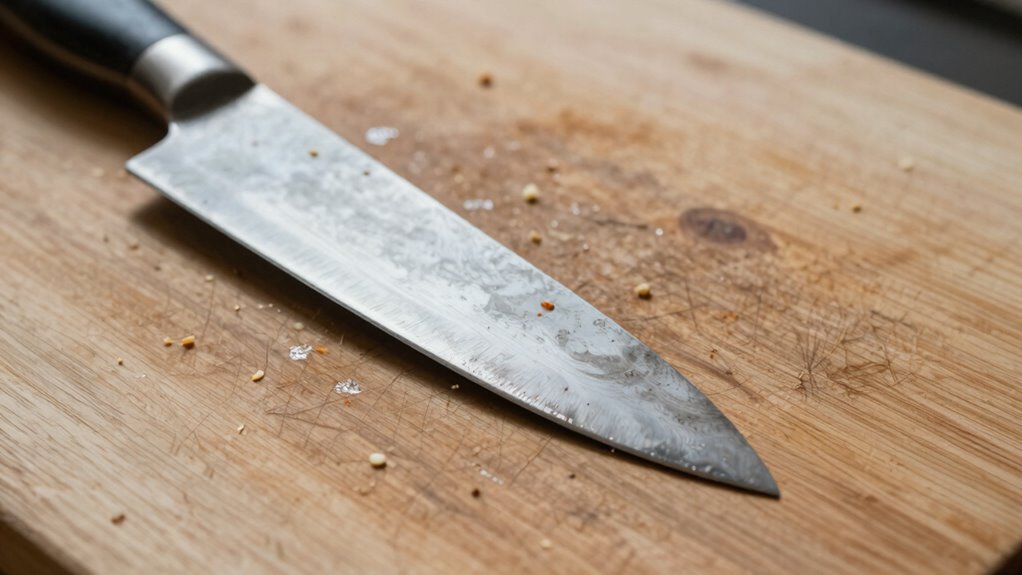

Dull kitchen tools might seem harmless, but they can hide serious dangers. You’ll need to apply more force, increasing the risk of slips, cuts, or even long-lasting injuries. They also make food handling more unsafe, spreading bacteria and causing uneven cuts that ruin your meal’s presentation. Plus, they slow down your prep work and compromise food quality. Want to discover how proper tool maintenance protects you and improves your cooking? Keep exploring to learn more.

Get kitchen staples and gadgets delivered free with Prime
- Fast, free delivery on millions of items
- Prime Video, Amazon Music and more included
- Member-only deals all year
Key Takeaways
- Dull knives increase slip risk, leading to deep cuts and potential injuries.
- Using dull tools can cause cross-contamination, raising food safety concerns.
- Dull blades require more force, resulting in uneven cuts and compromised food quality.
- Poorly maintained tools heighten safety hazards and reduce cooking efficiency.
- Relying on dull tools may prompt unsafe improvisations, increasing accident risks.
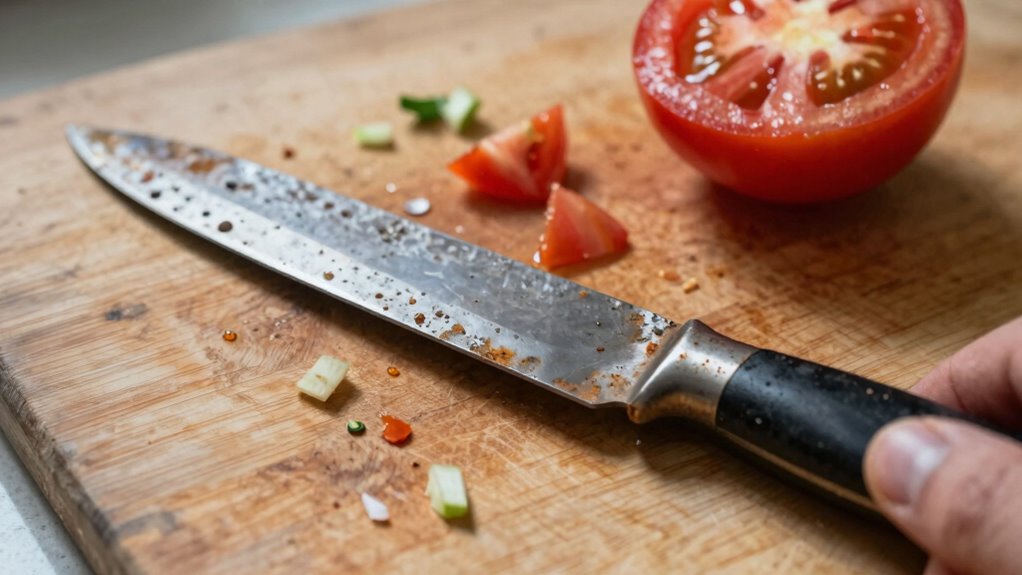
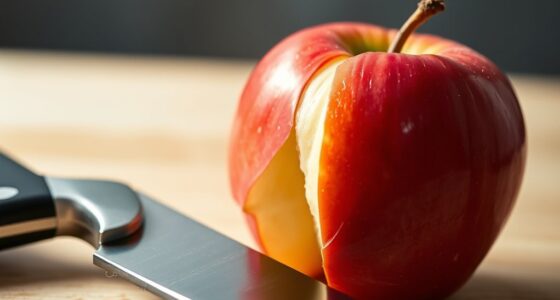
Using dull kitchen tools might seem harmless, but they can pose serious safety risks and lead to subpar food preparation. One of the most common dangers is knife accidents. When your knives aren’t sharp, you tend to apply more force to cut through ingredients, increasing the likelihood of slips and deep cuts. A dull blade doesn’t cut cleanly; instead, it slides off the food, forcing you to push harder, which can cause the knife to slip unexpectedly. This not only results in painful injuries but may also lead to long-term scarring or infections if wounds aren’t properly treated. Additionally, these accidents often happen suddenly and without warning, catching you off guard and increasing the severity of injuries.
Dull knives increase injury risk, requiring more force and causing slips, deep cuts, and potential infections.
Beyond the immediate physical dangers, dull tools also compromise food safety. When knives or other cutting instruments are blunt, you might be tempted to use excessive force to slice or chop, which can cause the food to be crushed or torn rather than cut cleanly. This rough handling can introduce bacteria from the surface of the knife onto your food, increasing the risk of food contamination. For instance, when preparing raw meat or produce, a dull knife may not effectively cut through the surface, leaving you with uneven cuts and potential bacteria transfer. Additionally, if you’re struggling to cut through sticky or tough ingredients, you may resort to using makeshift tools or unsafe techniques, further elevating contamination risks. Cross-contamination can occur if bacteria from raw foods are spread to other ingredients or surfaces through improper handling, heightening the chance of foodborne illnesses.
Using dull kitchen tools also affects your overall cooking efficiency. You’ll spend more time trying to slice or dice ingredients, which can lead to rushed or careless prep work. When you’re pressed for time, you might neglect proper hygiene practices or skip steps that ensure food safety, inadvertently increasing contamination risks. What’s more, dull tools diminish the quality of your dishes. Ingredients may get mashed or torn rather than sliced neatly, leading to uneven cooking and presentation, which can ruin the final product. This inefficiency and compromised quality can make cooking more frustrating and less enjoyable, discouraging you from maintaining good kitchen habits. Proper kitchen tool maintenance is essential for a safe and efficient cooking environment, especially since sharpening your knives regularly can prevent many of these hazards.
As an affiliate, we earn on qualifying purchases.
Frequently Asked Questions
How Often Should I Sharpen My Kitchen Knives?
You should sharpen your kitchen knives every 1-2 weeks if you use them frequently, or when you notice a decline in cutting precision. Regular sharpening helps maintain a sharp edge, improving safety and efficiency. It also extends your blade’s longevity by preventing damage from dullness. For ideal results, consider honing your knives weekly and sharpening them more thoroughly monthly, depending on your usage.
Are There Safe Methods to Sharpen Dull Kitchen Tools at Home?
Sharpening dull kitchen tools at home is like giving them a fresh breath of life. Use safe sharpening techniques like a whetstone or a manual sharpener, and always follow safety precautions—wear cut-resistant gloves and stabilize your tools. Keep your blades at the correct angle and work slowly to avoid slips. With patience and proper technique, you can safely restore your tools’ edge without risking injury or damaging them.
Can Dull Tools Cause Food Contamination?
Dull tools can indeed cause food contamination because they make it harder to cut food cleanly, leaving behind uneven surfaces. This can trap bacteria and promote bacteria growth, risking food safety. When your knives or other tools are dull, you might inadvertently cause cross-contamination or leave bacteria on your food. To prevent this, regularly sharpen your tools and maintain good hygiene to keep your kitchen safe and bacteria-free.
What Are the Signs My Kitchen Tools Need Sharpening?
You’ll notice your kitchen tools need sharpening when your knives become difficult to cut, requiring more force, or if they slip easily, risking injury. Dull tools compromise knife safety, making food prep dangerous. Regular tool maintenance keeps blades sharp and effective, preventing accidents. If your tools feel dull or uneven, it’s time to hone them. Proper maintenance not only improves performance but also ensures you work safely in your kitchen.
Does Using Dull Tools Affect Cooking Time and Efficiency?
Imagine a knife slipping slightly, making you pause—dull tools slow your cooking, affecting efficiency and precision. Using tools with poor maintenance forces you to exert more effort, increasing cooking time and risking accidents. Sharp, well-maintained tools cut with ease, ensuring better cutting precision and faster meal prep. Regular tool maintenance isn’t just about safety; it’s about streamlining your cooking process, saving time, and achieving perfect results every time.
professional chef knife sharpener
As an affiliate, we earn on qualifying purchases.
As an affiliate, we earn on qualifying purchases.
Conclusion
Using dull kitchen tools might seem harmless, but they actually pose serious safety risks. You’re more likely to slip, cut yourself, or damage food, leading to accidents or waste. Did you know that dull knives cause over 100,000 injuries each year? Keeping your tools sharp isn’t just about efficiency—it’s a vital safety step. Take the time to maintain your kitchen gear; it’s the best way to protect yourself and make cooking safer and more enjoyable.
As an affiliate, we earn on qualifying purchases.
As an affiliate, we earn on qualifying purchases.
Fall Picks
fall essentials
As an affiliate, we earn on qualifying purchases.