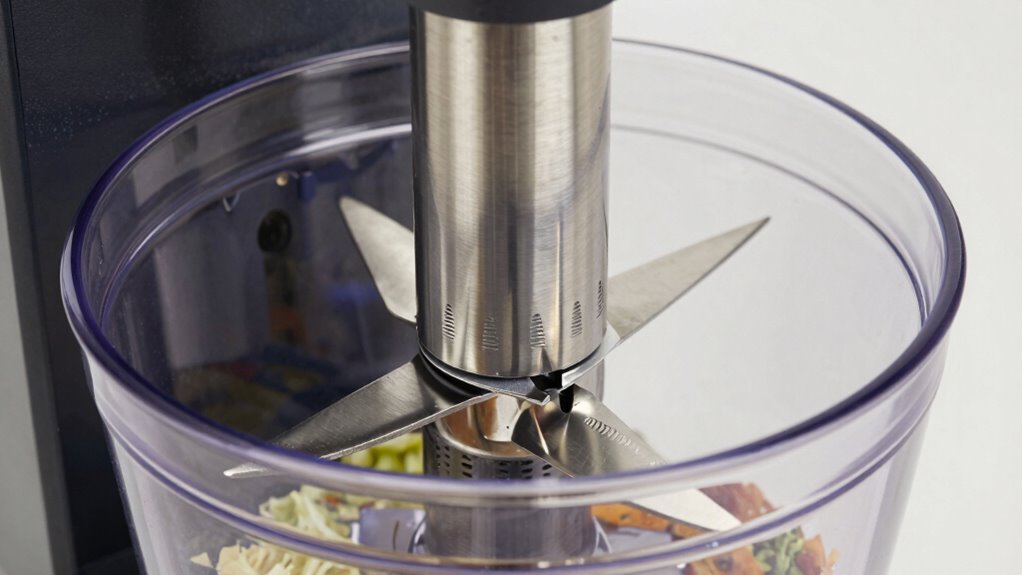

Food processor blades are sharp tools made from materials like stainless steel or ceramic-coated metal that cut, chop, or blend your ingredients. Their design affects how well they handle different foods, from tough nuts to soft veggies. Proper maintenance—cleaning, sharpening, and safe storage—keeps them sharp and safe to use while making sure they last longer. If you continue exploring, you’ll discover more tips to keep your blades performing at their best.
Open a free Amazon Business account
Business pricing, bulk buying and tax-exempt orders.
As an affiliate, we earn on qualifying purchases.
Key Takeaways
- Food processor blades are typically made from stainless steel for durability and resistance to rust and corrosion.
- Blade designs vary to optimize chopping, slicing, or blending depending on the task.
- Proper cleaning and storage maintain blade sharpness and prevent accidents.
- Safety includes cautious handling and using protective sheaths or compartments for storage.
- Regular maintenance, like sharpening and inspection, extends blade lifespan and ensures effective performance.
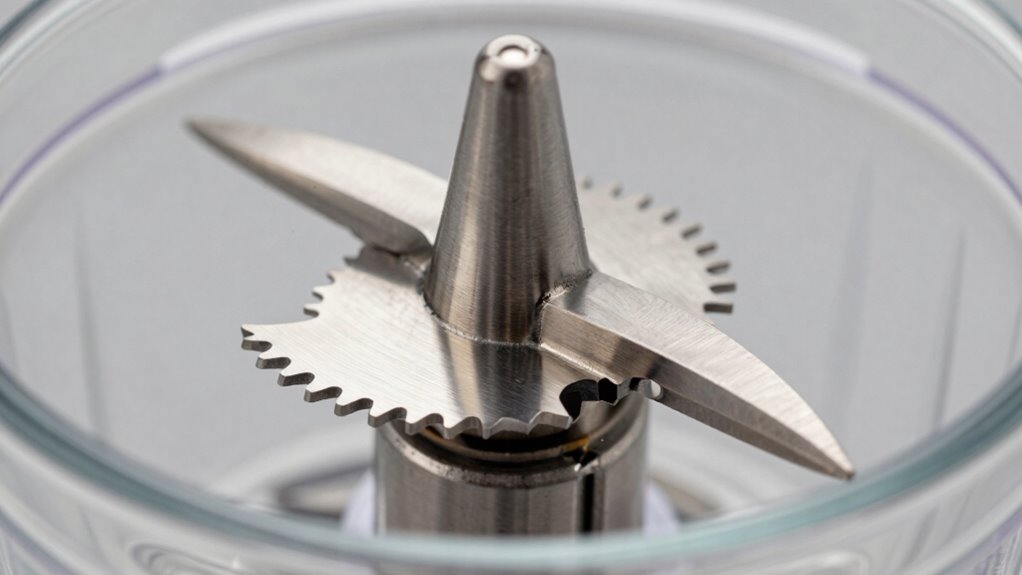
The material of the blades plays an essential role in their durability and efficiency. Most blades are made from stainless steel because it resists rust, corrosion, and staining, guaranteeing they stay sharp longer. High-quality stainless steel blades are sturdy enough to handle tough ingredients like nuts or raw vegetables without bending or dulling quickly. Some blades may feature ceramic tips or coatings, which can stay sharp longer but are more brittle and prone to chipping if mishandled. When selecting blades, you’ll want to think about the types of foods you’ll process most often. For regular use, stainless steel blades offer a reliable balance of strength and affordability, while ceramic-coated blades might suit lighter, occasional tasks. Additionally, the blade design can influence how effectively ingredients are processed, with some designs providing more precise chopping or blending. Proper blade material selection can also impact the overall lifespan of your blades, making maintenance easier and more cost-effective over time. Regularly inspecting your blades for signs of wear can help prevent unexpected dulling or damage, ensuring optimal performance.
Choosing the right blade material ensures durability and optimal performance for your food prep needs.
Taking care of your blades through proper maintenance is just as important as choosing the right material. Blade maintenance involves regular cleaning, sharpening, and safe handling. After each use, you should rinse the blades immediately to prevent food from drying and sticking, making cleaning easier. Use a brush or sponge with warm, soapy water to remove any residue, paying close attention to the sharp edges. Avoid putting blades in the dishwasher unless the manufacturer states it’s safe, as harsh detergents and high heat can damage the blade material over time. Proper storage is also vital, as blade safety helps prevent accidents and maintains their sharpness longer. Sharpening your blades periodically helps maintain their cutting efficiency. Some blades can be sharpened at home using a sharpening stone or a specialized tool, but many users prefer to have professional sharpening done to avoid damaging the blade. When handling blades, always be cautious—wear cut-resistant gloves if necessary—and store them safely, preferably in a protective sheath or a dedicated compartment, to prevent accidents and preserve sharpness.
In essence, understanding the blade material helps you choose the right tool for your needs, while proper blade maintenance ensures they stay sharp and safe to use for years. By investing a little time in cleaning and caring for your blades, you’ll keep your food processor performing at its best, making your meal prep quicker, easier, and more enjoyable.
stainless steel food processor blades
As an affiliate, we earn on qualifying purchases.
As an affiliate, we earn on qualifying purchases.
Frequently Asked Questions
Can Food Processor Blades Cut Through Frozen Foods?
Yes, food processor blades can cut through frozen foods, but it depends on the blade durability. You might find it challenging to process very hard frozen items with standard blades, which could dull or damage them. For best results, use a high-quality, sturdy blade designed for tougher tasks. Keep in mind that repeatedly processing frozen foods may wear out your blades faster, so choose your equipment wisely.
How Often Should I Replace My Food Processor Blades?
Think of your food processor blades as the sharpest knife in your drawer—they need regular care to stay effective. You should replace them when they become dull or chipped, usually after a year of frequent use. Keep your blades sharp through blade sharpening and store them properly to prevent damage. Regularly inspecting and maintaining your blades guarantees they cut through ingredients smoothly, making your food prep safer and more efficient.
Are There Blades Specifically for Dough Preparation?
Yes, there are blades specifically for dough preparation. These blades are designed for dough kneading, ensuring your mixture becomes smooth and elastic. When choosing a blade, check the compatibility with your food processor model, as not all blades fit every machine. Using the right dough blade makes kneading easier and results in better-textured bread, pizza, or pastry dough, saving you time and effort in your baking process.
Can Blades Be Used in Blenders or Only Food Processors?
Your question is like asking if a superhero’s cape can double as a parachute! Blades are generally designed specifically for either food processors or blenders, not both, due to differences in blade compatibility and safety handling. Using blender blades in a food processor or vice versa can be dangerous and damage the appliance. Always check manufacturer instructions to guarantee you’re using the right blades for your device to keep yourself safe.
What Safety Precautions Should I Take When Handling Blades?
When handling blades, always unplug your appliance first to prevent accidents. Use a brush or sponge for blade cleaning—never your bare hands—and handle blades carefully to avoid cuts. Store blades safely in a designated container or sheath, out of reach of children, to guarantee storage safety. Check for sharp edges before cleaning or inserting, and dry blades thoroughly before reassembling or storing to prevent rust.
ceramic coated food processor blades
As an affiliate, we earn on qualifying purchases.
As an affiliate, we earn on qualifying purchases.
Conclusion
Now that you know how different blades work, you’re ready to turn your food processor into a culinary wizard’s wand. Think of each blade as a tool in your kitchen toolbox, ready to slice, dice, or blend your ingredients with ease. With this knowledge, you’ll whip up delicious meals faster than ever, making cooking feel like a breeze. So go ahead—grab those blades and let your kitchen adventures begin!
food processor blade sharpening kit
As an affiliate, we earn on qualifying purchases.
As an affiliate, we earn on qualifying purchases.
food processor blade safety sheath
As an affiliate, we earn on qualifying purchases.
As an affiliate, we earn on qualifying purchases.
NFL season / tailgating Picks
team gear
As an affiliate, we earn on qualifying purchases.