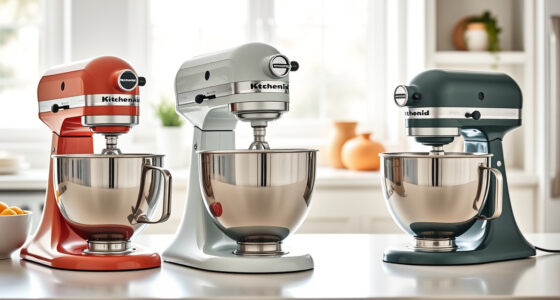

KitchenAid stand mixers are reliable kitchen companions, but like all appliances, they require regular maintenance and occasional troubleshooting to keep them performing at their best. Whether you’re experiencing issues with mixing, noise, or other performance concerns, this guide provides practical, step-by-step instructions to diagnose and resolve common problems safely. Regular care can extend the lifespan of your mixer and ensure consistent results in your cooking and baking adventures.

Get kitchen staples and gadgets delivered free — and shop member deals
- Fast, free delivery on millions of items
- Access to Prime Big Deal Days deals on October 6–7
- Prime Video, Amazon Music and more included
In this comprehensive 2026 maintenance guide, we focus on essential troubleshooting techniques and routine care tips tailored specifically for KitchenAid tilt-head stand mixers, especially when using popular attachments like the Stainless Steel Flat Beater.
Key Takeaways
| Routine Cleaning | Regular cleaning prevents buildup and ensures smooth operation. |
| Attachment Compatibility | Use genuine attachments for optimal performance and safety. |
| Troubleshooting Noise | Identify common causes for unusual sounds and fix them safely. |
| Motor Care | Properly load ingredients and avoid overworking the motor. |
| Maintenance Schedule | Perform regular inspections to prolong your mixer’s lifespan. |
Preparing Your Mixer for Troubleshooting
- Unplug the mixer to ensure safety before inspecting or cleaning.
- Remove any attachments, including the Stainless Steel Flat Beater, by loosening the attachment hub knob.
- Check for obvious debris, dried batter, or buildup around the attachment hub and in the mixing bowl.
Ensure your workspace is clean and dry. If your mixer has been stored for a period, consider wiping down the exterior and any accessible parts to remove dust or residual ingredients.
Cleaning and Maintaining Attachments
- Detach the Stainless Steel Flat Beater by turning the attachment counterclockwise and pulling it off the hub.
- Wash the beater with warm, soapy water, and dry thoroughly to prevent rust.
- Inspect the beater for any signs of bending, chipping, or damage. Replace if needed.
- Reattach the beater by aligning it with the hub and turning clockwise until it clicks into place.
Regular cleaning of attachments like the flat beater prevents food buildup, ensures better mixing, and extends the attachment’s lifespan.
Troubleshooting Common Mixer Issues
- Mixer Not Turning On: Check the power cord and outlet. Reset any GFCI outlets and ensure the mixer is properly plugged in.
- Uneven or Poor Mixing: Ensure the attachment is properly attached and seated correctly. Avoid overloading the bowl or ingredients.
- Unusual Noises: Inspect the attachment for misalignment or debris. If the noise persists, check the motor housing for overheating or dirt buildup.
- Motor Struggling or Overheating: Avoid mixing overly thick dough or large quantities at once. Allow the mixer to rest after extended use.
Routine Care for Longevity
- Lubricate the attachment hub periodically with a small amount of food-grade lubricant if recommended by the manufacturer.
- Ensure the mixer is stored in a dry, dust-free environment.
- Perform periodic inspections of the power cord and switch for signs of damage.
- Keep the mixer covered when not in use to prevent dust accumulation.
Following these maintenance practices helps keep your KitchenAid mixer in top condition, reducing the need for repairs and ensuring consistent performance.
When to Seek Professional Repair
If troubleshooting steps do not resolve the issue, or if you notice persistent electrical problems, strange noises, or motor failure, contact an authorized KitchenAid service center. Attempting repairs beyond cleaning and simple adjustments can void your warranty and pose safety risks.
The Products in This Guide
Stainless Steel Flat Beater

This Stainless Steel Flat Beater is engineered for durability and seamless fit on KitchenAid 4.5-5 Qt tilt-head mixers. It handles heavy-duty mixing tasks like cookie dough and cake batter with ease, resisting bending or breaking. Its no-coating design prevents chipping and flaking, ensuring safe, clean food prep.
Pros:
- Durable stainless steel construction
- Perfect fit for popular KitchenAid models
- Dishwasher safe for easy cleaning
- Heavy-duty performance
Cons:
- May be overkill for light mixing tasks
- Requires proper attachment to avoid slipping
Best for: Heavy-duty baking and mixing tasks requiring a reliable paddle.
Not ideal for: Light whisking or very delicate ingredients.
Bottom line: A robust replacement beater that ensures reliable, heavy-duty mixing performance.
KitchenAid Stand Mixer Attachment

Pair your KitchenAid mixer with the Metal Food Grinder to expand your culinary possibilities. It’s perfect for grinding meats, vegetables, and making fresh sausages, ensuring quality and control over ingredients.
Pros:
- Multiple grinding plates
- Large food tray
- Easy to clean and store
- Compatible with all KitchenAid stand mixers
Cons:
- Requires pre-chilling for optimal results
- Additional purchase necessary
Best for: Making fresh, ground ingredients and sausages at home.
Not ideal for: Heavy-duty commercial grinding or large-scale processing.
Bottom line: A versatile attachment for fresh grinding needs, expanding your recipe options.
Frequently Asked Questions
How do I properly attach the flat beater to my KitchenAid mixer?
Align the beater with the attachment hub, then turn it clockwise until it clicks securely into place.
Can I put the stainless steel flat beater in the dishwasher?
Yes, the beater is dishwasher safe, but hand washing can help preserve its finish over time.
Why is my mixer making unusual noises during operation?
Check for debris, misaligned attachments, or overloading. If noise persists, inspect the motor and internal parts for damage.
What should I do if my mixer stops working suddenly?
Unplug the unit, check the power outlet, and inspect the cord for damage. If issues continue, seek professional repair.
How often should I clean my mixer and attachments?
Clean after each use to prevent buildup. Regularly inspect and clean the attachment hub and motor housing.
Keep Your KitchenAid Running Smoothly with Regular Care
Maintaining your KitchenAid stand mixer doesn’t have to be complicated. Regular cleaning, proper attachment use, and timely troubleshooting can prevent most issues and extend the lifespan of your appliance. Remember to perform routine inspections and handle repairs with care or seek professional help when needed. With these simple practices, your mixer will continue to be a reliable partner in your culinary adventures for years to come.
Affiliate disclosure: As an Amazon Associate we earn from qualifying purchases. Prices and availability are accurate as of the time of publishing.
NFL season / tailgating Picks
team gear
As an affiliate, we earn on qualifying purchases.