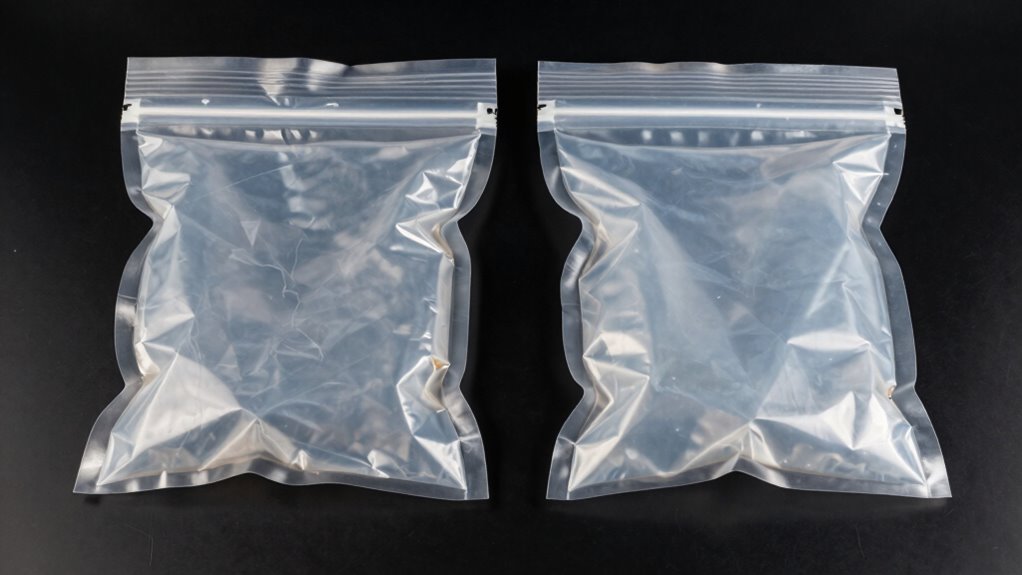

Reusable sous vide bags are made from durable, food-grade materials like silicone or thick plastic, allowing you to cook repeatedly and reduce waste, making them eco-friendly and cost-effective long term. They require proper cleaning to maintain hygiene but control leaks and withstand high temperatures. Disposable bags, on the other hand, are convenient for quick use, but they add to environmental waste and may pose safety risks if damaged. If you’re interested in the full details, you’ll find more insights ahead.

Get kitchen staples and gadgets delivered free — and shop member deals
- Fast, free delivery on millions of items
- Access to Prime Big Deal Days deals on October 6–7
- Prime Video, Amazon Music and more included
Key Takeaways
- Reusable sous vide bags are made from durable, food-grade materials like silicone or thick plastic, designed for multiple uses.
- Disposable bags are thin, flexible plastics intended for single use, offering convenience but contributing to environmental waste.
- Reusable bags are easier to clean and sanitize, reducing cross-contamination risks, while disposable bags eliminate cleaning concerns.
- Reusable bags are more eco-friendly, supporting sustainability by reducing plastic waste; disposable bags add to landfill issues.
- Disposable bags provide quick, hassle-free use, whereas reusable bags require proper cleaning and maintenance for safety and longevity.
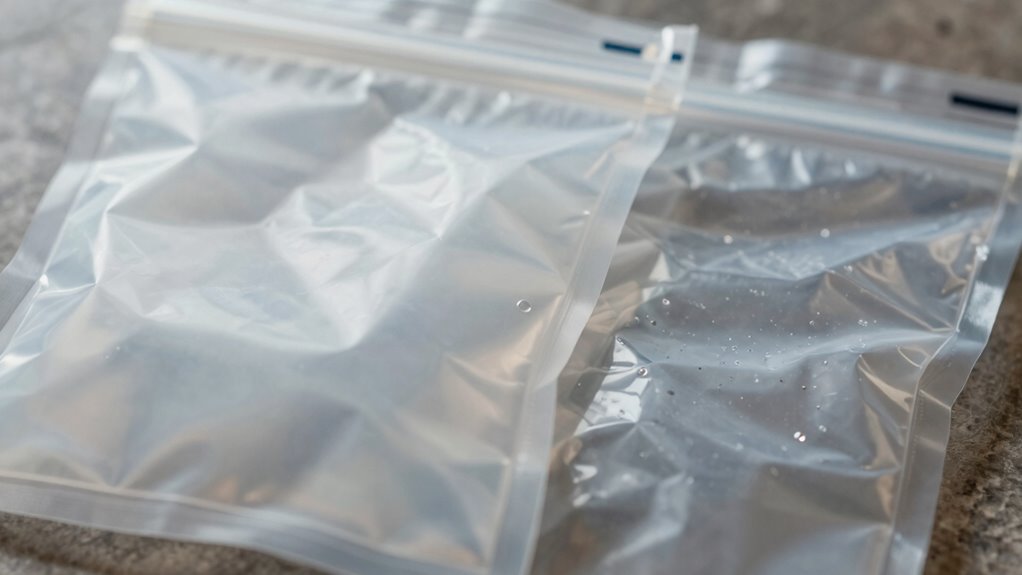
When choosing sous vide bags, you’ll notice a clear difference between reusable and disposable options, each offering distinct advantages. Reusable bags are designed to withstand multiple uses, making them an economical choice over time. They’re typically made from durable, food-grade silicone or thick plastic, which helps maintain food safety standards. These materials are resistant to punctures and tears, reducing the risk of leaks that could compromise your cooking or contaminate the water bath. In terms of food safety, reusable bags often come with features like airtight seals or zip-lock closures, ensuring that your food remains sealed and uncontaminated throughout the cooking process. Their durability also makes them easier to clean thoroughly, which is essential for preventing cross-contamination and maintaining hygiene standards. Proper cleaning and sanitizing after each use help guarantee that reusable bags do not harbor bacteria or odors, keeping your food safe. Additionally, some reusable bags are designed with temperature resistance, allowing them to withstand the high temperatures involved in sous vide cooking without degrading. This feature is crucial for ensuring the bags maintain their integrity during long cooking times. Besides safety and durability, using reusable bags can contribute to environmental sustainability by reducing plastic waste over time. Choosing bags made from environmentally friendly materials can further enhance their eco-friendly benefits. The cost efficiency of reusable bags can also be a significant factor for frequent cooks, as the initial investment often pays off over time. Disposable sous vide bags, on the other hand, are designed for single use. They are usually made from thin, flexible plastics that are convenient and easy to use. While their primary advantage lies in convenience, they can be less reliable in terms of food safety if not properly handled. If a disposable bag is damaged or leaks during cooking, it could expose your food to water or contaminants, which poses a food safety risk. However, because they’re used only once, they eliminate concerns about thorough cleaning and sanitization, reducing the chance of bacteria buildup or lingering odors. When it comes to environmental impact, disposable bags generally have a larger footprint. They contribute to plastic waste, which can take hundreds of years to decompose, especially if they’re not recycled properly. While some disposable bags are made from recyclable plastics, the reality is that many end up in landfills, adding to the global waste problem. Choosing between reusable and disposable sous vide bags depends on your priorities. If you’re focused on food safety, reusable bags offer a more sustainable option, provided you clean them properly. They reduce waste and minimize environmental impact over time, making them a more eco-friendly choice. Conversely, if convenience is your main concern and you’re willing to accept the environmental trade-off, disposable bags might suit your needs better. Ultimately, considering both food safety and environmental impact can help you make an informed decision that aligns with your cooking habits and values.
reusable silicone sous vide bags
As an affiliate, we earn on qualifying purchases.
As an affiliate, we earn on qualifying purchases.
Frequently Asked Questions
Are Reusable Bags Dishwasher Safe?
Yes, reusable bags are dishwasher safe, but it depends on their material durability. Most high-quality silicone or thick plastic reusable sous vide bags can withstand dishwasher cleaning, making them easy to sanitize. Using dishwasher-safe bags reduces environmental impact compared to disposables, which often end up in landfills. Always check manufacturer instructions to guarantee your specific bag is dishwasher safe, keeping it clean and prolonging its lifespan.
How Long Do Reusable Sous Vide Bags Last?
Imagine your reusable sous vide bag as a sturdy shield that can last for years if cared for properly. Typically, it endures around 6 months to 2 years, depending on material durability and storage considerations. Keep it clean, dry, and away from sharp objects, and it’ll serve you well through countless cooks. Proper storage in a cool, dry place helps extend its lifespan, ensuring reliable performance every time you cook.
Can Disposable Bags Be Composted?
Disposable sous vide bags typically can’t be composted because they often contain plastic that isn’t biodegradable, raising biodegradability concerns. Their environmental impact is significant, as they contribute to plastic waste that persists in landfills. To reduce your footprint, consider using reusable bags instead, which are eco-friendlier and help cut down on single-use plastics. Always check packaging labels for compostability claims before disposal.
Do Reusable Bags Affect Flavor Transfer?
Reusable bags can affect flavor transfer depending on their material and how well they seal. If the material isn’t compatible with certain ingredients, you might experience lingering flavors that impact taste. To guarantee maximum flavor retention, choose reusable bags made from high-quality, food-safe materials designed for sous vide cooking. Proper sealing and cleaning also help prevent residual flavors, keeping your dishes fresh and free from unwanted taste transfer.
Are There Any Health Risks With Reusable Bags?
Reusable sous vide bags generally don’t pose health risks if you prioritize food safety and choose high-quality, durable materials. Look for bags made from FDA-approved, BPA-free plastics, which resist punctures and leaks. Proper cleaning and maintenance are essential to prevent bacterial growth. Avoid using damaged or worn-out bags, as material durability can decline over time, increasing the risk of contamination. With good practices, reusable bags are a safe and eco-friendly option.
As an affiliate, we earn on qualifying purchases.
Conclusion
Ultimately, choosing between reusable and disposable sous vide bags depends on your priorities. If you value sustainability and long-term savings, reusable bags might be the way to go. However, if convenience and ease are more important, disposable bags could suit you better. Notably, some experts believe reusable bags can actually be safer, as you can thoroughly clean and inspect them for damage. So, weighing your needs carefully can help you make the best choice for your cooking adventures.
As an affiliate, we earn on qualifying purchases.
As an affiliate, we earn on qualifying purchases.
Halloween Picks
halloween
As an affiliate, we earn on qualifying purchases.