
The cost to run your oven, stove, and other appliances depends on how often and efficiently you use them. On average, running a stove or oven can add a few dollars to your monthly energy bill, especially if they’re older or less efficient. Upgrading to energy-efficient models and maintaining your appliances can save you money over time. To understand how to lower your bills and make smarter choices, keep exploring these tips.
Key Takeaways
- Appliance energy costs depend on wattage, usage duration, and local electricity rates.
- Upgrading to energy-efficient models reduces monthly operating expenses.
- Regular maintenance ensures appliances operate efficiently, lowering energy consumption.
- Using appliances strategically—like preheating ovens minimally—saves energy and costs.
- Monitoring and adjusting usage habits can significantly decrease overall appliance-related energy bills.

Have you ever wondered how much it costs to keep your appliances running each month? If you’re trying to cut down on energy bills, understanding the expenses involved with your oven, stove, refrigerator, and other devices is vital. The good news is, small changes can make a big difference, especially when you consider energy efficient upgrades. These upgrades, like switching to a smart thermostat or energy-star-rated appliances, help reduce the amount of energy your home consumes. They often come with higher upfront costs but pay off over time through lower utility bills. To maximize savings, it’s also essential to follow appliance maintenance tips. Regularly cleaning filters, coils, and vents ensures your appliances operate efficiently, preventing unnecessary energy waste. For example, a dirty refrigerator coil can make the compressor work harder, increasing electricity use. Similarly, keeping your oven and stove burners clean helps them heat more effectively, saving energy during cooking.
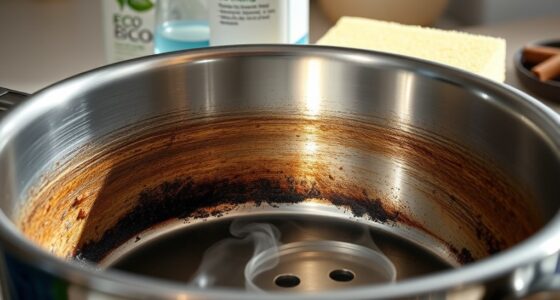
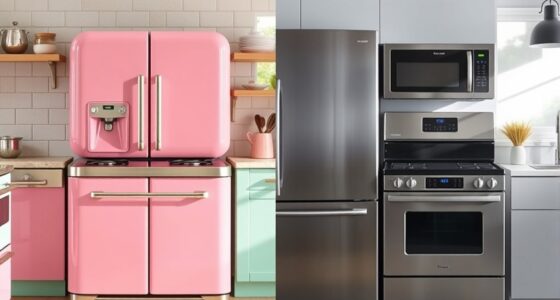
When it comes to your oven and stove, their energy consumption can vary considerably depending on usage and maintenance. An energy-efficient upgrade, like replacing an old stove with a modern, energy-star-rated model, can reduce energy use by 10-30%. But even if you stick with your current appliances, adopting simple appliance maintenance tips can help. Always preheat your oven only for as long as necessary, and avoid opening the door frequently during baking, so heat doesn’t escape. Using the right-sized burners for your pots and pans ensures you don’t waste energy heating a burner larger than your cookware. For your stove, keeping burners and elements clean prevents inefficient heat transfer, which can cause longer cooking times and higher energy costs. Additionally, proper air purifier maintenance practices can help ensure your indoor air quality remains high and your appliances operate efficiently, saving energy in the process.
Your refrigerator is another important contributor to your monthly energy bill. Upgrading to an energy-efficient model can save you a substantial amount over time. Meanwhile, routine appliance maintenance tips like cleaning door seals, defrosting when necessary, and setting the right temperature (around 37-40°F for the fridge and 0°F for the freezer) help keep it running efficiently. The same applies to other appliances like dishwashers and laundry machines. Regular maintenance not only prolongs their lifespan but also keeps energy consumption at a minimum.
As an affiliate, we earn on qualifying purchases.
Frequently Asked Questions
How Can I Reduce My Oven’s Energy Consumption Effectively?
You can reduce your oven’s energy consumption by adopting energy saving techniques like baking multiple dishes at once and avoiding preheating unnecessarily. Regular appliance maintenance, such as cleaning heating elements and sealing door gaskets, guarantees efficient operation. Additionally, using the oven only when needed and opting for microwave or stovetop alternatives when possible helps cut energy use. These steps make your oven more efficient and save you money.
Are Newer Appliances More Energy-Efficient Than Older Models?
You’ll find that newer appliances are up to 25% more energy-efficient than older models, saving you money over time. Regular appliance maintenance and following energy-saving tips can boost this efficiency further. Modern appliances often include smart features that optimize power use, helping you cut costs and reduce your carbon footprint. So, upgrading can be a smart move, especially if you want better performance and lower energy bills.
What Is the Environmental Impact of Running Household Appliances?
Running household appliances impacts the environment by increasing your carbon footprint and contributing to resource depletion. Every time you use your oven, stove, or other devices, they consume energy, often derived from fossil fuels, which releases greenhouse gases. To reduce this impact, you can choose energy-efficient appliances, unplug unused devices, and limit usage. These steps help lower your environmental footprint and conserve essential resources for future generations.
How Does the Cost Vary Between Gas and Electric Stoves?
They say “you get what you pay for,” and when comparing gas vs electric stoves, the cost difference hinges on stove efficiency. Gas stoves often have lower operating costs due to cheaper fuel, but electric stoves can be more efficient and easier to maintain. Your choice depends on energy prices and how much you use your stove. Consider both upfront costs and ongoing expenses to find the best fit.
Can Smart Appliances Help Lower My Energy Bills?
Yes, smart appliances can help lower your energy bills. They often feature smart device integration, allowing you to control and schedule usage remotely. Plus, energy monitoring tools give you real-time insights into how much energy each appliance consumes, so you can adjust your habits accordingly. By optimizing usage and preventing waste, smart appliances help you save money while making your home more efficient.
smart thermostat for energy savings
As an affiliate, we earn on qualifying purchases.
As an affiliate, we earn on qualifying purchases.
Conclusion
Now that you know the costs of running your appliances, you can make smarter choices and save a fortune—your electric bill doesn’t have to be as overwhelming as a hurricane. By being mindful of your usage, you could cut expenses considerably and avoid draining your wallet like a black hole. Small changes add up, turning what once seemed like an endless money drain into manageable, cost-effective habits that keep your home running smoothly without breaking the bank.
As an affiliate, we earn on qualifying purchases.
As an affiliate, we earn on qualifying purchases.