
TL;DR

Get kitchen staples and gadgets delivered free with Prime
- Fast, free delivery on millions of items
- Prime Video, Amazon Music and more included
- Member-only deals all year
Rome’s school canteens are implementing a new policy to serve fresh, local food and eliminate single-use plastics. The initiative aims to improve student nutrition and reduce environmental impact, with official plans confirmed by local authorities.
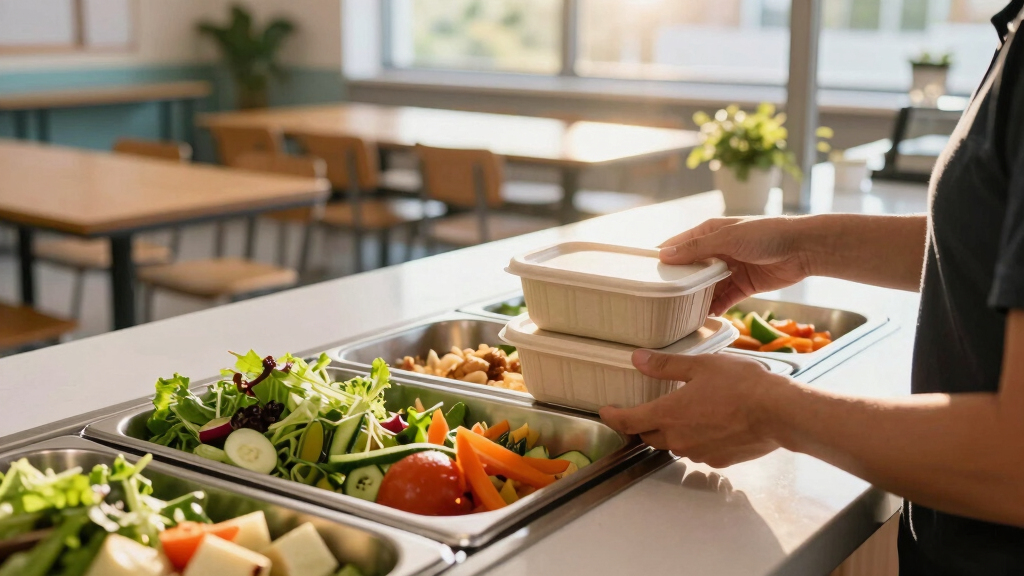
Rome’s school canteens are now serving only fresh, local food and have committed to eliminating single-use plastics from their operations, according to official statements from the city’s education department. This initiative aims to promote healthier diets among students and reduce environmental waste, marking a significant shift in municipal school policies.
The new policy was announced by Rome’s municipal government in early March 2024, with plans to fully implement the changes by the start of the next school year. The initiative includes sourcing fresh produce from local farms, avoiding processed foods, and replacing plastic utensils, bottles, and packaging with sustainable alternatives. School officials confirmed that the move is part of a broader effort to improve student health and contribute to environmental sustainability.
According to the city’s education department, the transition to fresh food involves collaborations with local farmers to ensure quality and freshness, while also supporting regional agriculture. The ban on plastics covers all disposable items used in the canteens, with new reusable or biodegradable options introduced. The policy applies to all public schools in Rome, affecting thousands of students and staff.
Officials emphasized that the change is also intended to raise awareness among students about healthy eating and environmental responsibility. The initiative has received support from local environmental groups and parent associations, though some logistical challenges, such as sourcing sufficient fresh produce and managing increased costs, remain under discussion.
Environmental and Health Benefits of the New Policy
This shift in Rome’s school canteens is significant because it addresses both public health and environmental concerns. Serving fresh, local food can improve nutrition and promote healthier eating habits among students, potentially reducing childhood obesity and diet-related illnesses. Eliminating plastics aligns with broader efforts to combat plastic pollution, which is a major environmental issue in Italy and globally. The initiative demonstrates a local government commitment to sustainability and could serve as a model for other cities.
reusable lunch containers for kids
As an affiliate, we earn on qualifying purchases.
As an affiliate, we earn on qualifying purchases.
Previous Initiatives and the Push for Sustainable School Meals
Rome has previously taken steps to improve school nutrition, including campaigns promoting balanced diets and reducing processed foods. However, the current move to serve only fresh, local produce and eliminate plastics marks a more comprehensive overhaul of school meal policies. Similar initiatives have been implemented in other European cities, but Rome’s approach is notable for its scale and integration with environmental goals. The decision aligns with Italy’s national commitments to sustainability and reducing plastic waste, reinforced by recent EU directives.
“We are committed to providing healthier meals for our students while respecting our environment. This initiative reflects our dedication to both public health and sustainability.”
— Rome’s Education Department
As an affiliate, we earn on qualifying purchases.
Implementation Challenges and Long-term Impact
It is not yet clear how smoothly the transition will be managed across all schools, especially regarding sourcing sufficient fresh produce and funding. Details about the specific biodegradable or reusable alternatives to plastics are still emerging. Additionally, the long-term impact on costs, logistics, and student acceptance remains to be seen as the policy is rolled out.
stainless steel water bottles for children
As an affiliate, we earn on qualifying purchases.
As an affiliate, we earn on qualifying purchases.
Next Steps and Monitoring of Policy Effectiveness
The city plans to monitor the implementation closely, with phased evaluations scheduled over the next academic year. Officials will assess the impact on student health, environmental waste reduction, and operational logistics. Feedback from schools, parents, and environmental groups will influence potential adjustments. Further announcements about specific suppliers and biodegradable products are expected in the coming months.
eco-friendly lunch box accessories
As an affiliate, we earn on qualifying purchases.
As an affiliate, we earn on qualifying purchases.
Key Questions
Will the new food policy increase costs for schools?
It is possible that sourcing fresh, local produce and sustainable alternatives may increase expenses initially. The city is exploring funding options and partnerships to manage costs effectively.
How will plastic waste be replaced in the canteens?
Schools will transition to reusable containers, biodegradable packaging, and compostable utensils, with detailed guidelines to be provided soon.
Are all schools in Rome participating in the new policy?
Yes, the initiative is mandatory for all public schools in Rome, with plans to evaluate and expand based on initial results.
What feedback has been received from parents and students?
Initial reactions are generally positive, with support for healthier food and environmental efforts, though some concerns about logistics and costs have been raised.
When will the new canteen menus be fully implemented?
The city aims for a full rollout by the start of the next school year, with phased updates and evaluations beforehand.
Source: local
NFL season / tailgating Picks
team gear
As an affiliate, we earn on qualifying purchases.