
TL;DR

Get kitchen staples and gadgets delivered free with Prime
- Fast, free delivery on millions of items
- Prime Video, Amazon Music and more included
- Member-only deals all year
Choosing the right lunch box for kids means prioritizing safety, durability, and appeal. Modern options include eco-friendly materials, leak-proof designs, and fun themes, making lunch both easy and exciting for children and parents alike.
Imagine opening your kid’s lunch box and seeing a colorful, well-packed meal that stays fresh and intact. That’s the power of the right container. The days of flimsy, unsafe plastic are fading. Today’s parents want lunch boxes that are safe, easy to clean, eco-friendly, and fun for kids to carry.
In this guide, you’ll learn what makes a great lunch box for kids. From materials to designs, I’ll share practical tips and recent trends that help you pick a container your child will love—and that you’ll feel good about.
Prioritize BPA-free, non-toxic materials like stainless steel or silicone for safety.
Choose lightweight, colorful designs with child-friendly lids to encourage kids to carry and open their lunch boxes.
Regularly clean and inspect your lunch box to prevent mold, odors, and damage.
Consider the age and appetite of your child when selecting size, compartments, and insulation.
Stay updated on new features like leak-proof seals and smart sensors for a better lunchtime experience.
What safety features should you look for in kids’ lunch boxes?
Safety is the top priority when choosing a lunch box. Look for BPA-free plastics, stainless steel, or silicone. These materials won’t leach harmful chemicals, even when exposed to hot or cold foods. For example, stainless steel lunch boxes are durable and non-toxic, but make sure they have secure lids to prevent spills. Also, check if the container is free of phthalates and lead.
Remember, children often carry their lunch in backpacks that get tossed around. A sturdy, well-made container can survive drops and rough handling. For instance, a popular brand uses a double-wall insulation to withstand daily wear and tear.
As an affiliate, we earn on qualifying purchases.
How to choose a lunch box that your kid will actually want to carry
- Pick a size that fits your child’s age and appetite. Preschoolers need smaller, lighter containers; older kids may prefer larger, more compartmentalized options.
- Choose fun, colorful designs or themes featuring favorite characters. Bright colors and playful patterns make kids excited to use their lunch box.
- Ensure the lid is easy for small hands to open and close. Child-friendly mechanisms prevent frustration and spills.
- Opt for lightweight materials like silicone or thin plastic to reduce bulk.
- Test the container’s weight and fit in your child’s backpack to avoid extra strain or awkwardness.
leak-proof silicone lunch container for kids
As an affiliate, we earn on qualifying purchases.
As an affiliate, we earn on qualifying purchases.
Compare popular materials: Plastic vs. Stainless Steel vs. Silicone
| Feature | Plastic | Stainless Steel | Silicone |
|---|---|---|---|
| Safety | BPA-free options available, but some plastics leach chemicals when heated | Non-toxic, durable, no leaching | Food-grade, non-toxic, flexible |
| Durability | Good, but can crack or stain over time | Excellent, withstands drops and knocks | Very durable, flexible, less prone to breaking |
| Weight | Lightweight | Heavier | Very lightweight and flexible |
| Ease of cleaning | Dishwasher safe, but some designs have crevices | Dishwasher safe, easy to disinfect | Dishwasher safe, easy to wipe clean |
| Eco-friendliness | Reusable, but plastic waste is an issue | Reusable, eco-friendly | Reusable, eco-friendly |
Choosing the right material depends on your priorities—safety, weight, or eco-friendliness. For example, stainless steel wins on durability and safety, but plastic is lighter and more colorful.
eco-friendly BPA-free kids lunch box
As an affiliate, we earn on qualifying purchases.
As an affiliate, we earn on qualifying purchases.
Latest trends making lunch boxes safer and more fun
Today’s lunch boxes are evolving fast. Leak-proof technology now prevents spills even with liquids like yogurt or juice. Modular designs let you customize compartments, making it easier to pack a balanced meal. Smart lunch boxes with temperature sensors alert parents if the food isn’t at the right temperature.
Bright, themed designs with characters from popular cartoons or movies boost kids’ excitement. Some brands even collaborate with artists to create unique, colorful containers. Plus, stackable options save space in backpacks and lockers.
fun character themed kids lunch box
As an affiliate, we earn on qualifying purchases.
As an affiliate, we earn on qualifying purchases.
Quick tips to keep lunch boxes safe and clean
- Wash with warm, soapy water daily. Remove all parts for thorough cleaning.
- Inspect seals and lids regularly—replace if worn or damaged.
- Use dishwasher-safe containers to save time.
- Keep food at proper temperatures—use insulated containers for perishable items.
- Store clean lunch boxes in a dry, ventilated place to prevent mold.
What to consider based on your child’s age and needs
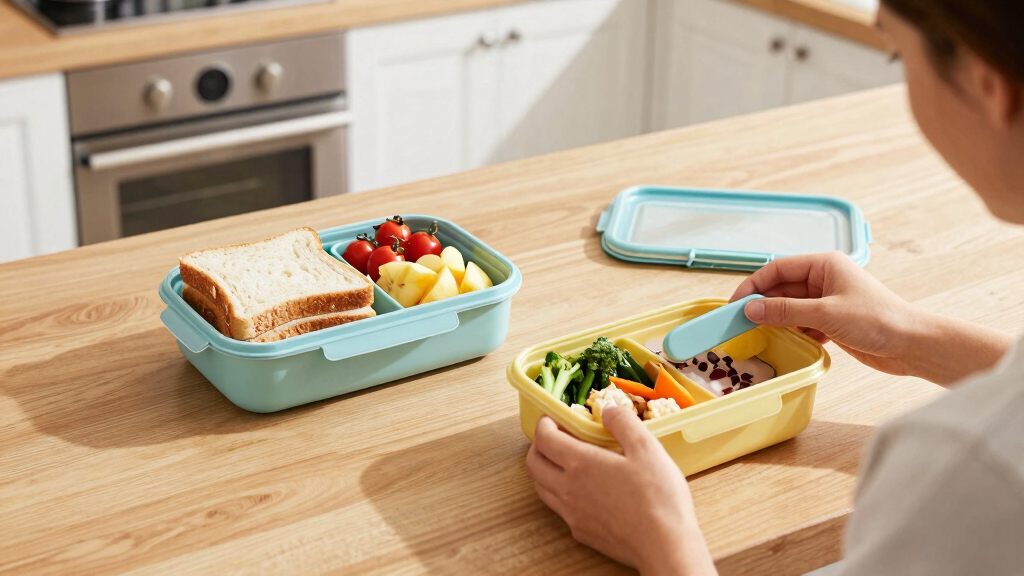
Size, compartments, and insulation depend on your child’s age. Preschoolers need small, simple containers that are easy to open. Older children often want bigger boxes with multiple compartments for different foods. If your kid loves hot meals or leftovers, consider insulated or thermal containers.
For example, a parent with a picky eater found that a compartmentalized lunch box with a fun theme encouraged her daughter to try new foods and eat more vegetables.
Frequently Asked Questions
Are stainless steel lunch boxes safe for kids?
Yes, stainless steel lunch boxes are non-toxic, durable, and don’t leach harmful chemicals. They’re a great choice for safety and longevity, especially if your child is rough with their gear.
How can I prevent my child’s lunch from spilling?
Look for containers with leak-proof seals and secure lids. Avoid overly large openings that can leak. Testing different brands can help find one that truly keeps liquids in place during busy school days.
What materials are best for eco-friendly lunch boxes?
Reusables like stainless steel, silicone, and biodegradable plastics are the most eco-friendly options. They reduce waste and are safe for your child’s health when chosen carefully.
How often should I replace my child’s lunch box?
Inspect regularly for cracks, worn seals, or odors. Replace if damaged or if it no longer seals properly. Typically, a sturdy lunch box lasts about 1-2 years with proper care.
Are insulated lunch boxes worth it?
Absolutely, especially for perishable foods or hot meals. Insulation keeps food fresh and at the right temperature longer, making lunchtime more enjoyable and safe.
Conclusion
Picking the right lunch box for your kid isn’t just about looks. It’s about safety, durability, and making lunchtime exciting. A well-chosen container can turn a mundane meal into a moment of joy and health.
So next time you shop, think about materials, design, and your child’s preferences. After all, a lunch box is more than just a box — it’s a bridge to better eating habits and happier school days.
Fall Picks
fall essentials
As an affiliate, we earn on qualifying purchases.