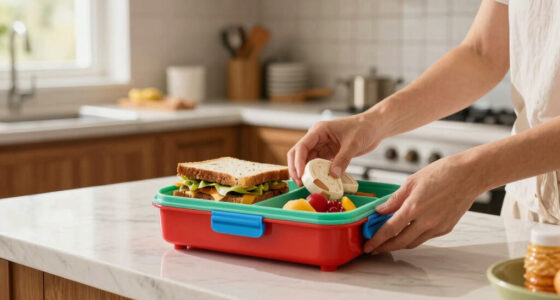
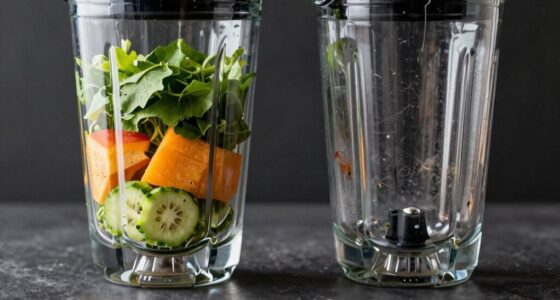
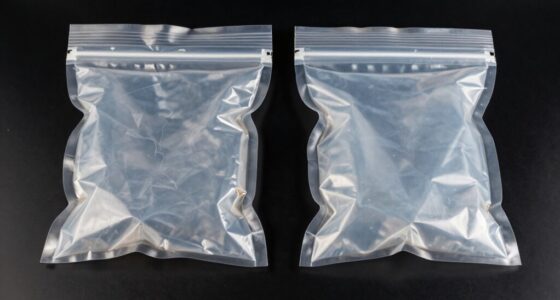
Using reusable food storage in your kitchen helps cut down on trash and reduces plastic waste that pollutes the environment. It’s a smart way to keep your food fresh, organize your space, and save money in the long run. Reusable containers are durable, easy to clean, and often stackable, making your kitchen more efficient. If you want to discover more ways to make your kitchen eco-friendly and organized, keep exploring what reusable storage can do for you.

Get kitchen staples and gadgets delivered free — and shop member deals
- Fast, free delivery on millions of items
- Access to Prime Big Deal Days deals on October 6–7
- Prime Video, Amazon Music and more included
Key Takeaways
- Reduces landfill waste and environmental pollution caused by disposable containers.
- Keeps food fresher longer and minimizes food waste through secure, visible storage.
- Enhances kitchen organization and space efficiency with stackable, designated containers.
- Promotes cost savings by decreasing the need for frequent disposable product purchases.
- Supports sustainability goals and eco-conscious living by lowering overall kitchen waste.

Have you ever considered how much waste disposable food storage containers generate each year? Every time you toss a plastic container or foil wrap, you’re contributing to a mountain of landfill waste. Switching to reusable food storage options isn’t just an eco-friendly move; it’s a practical way to declutter your kitchen and reduce your environmental impact. Reusable containers, from glass jars to silicone bags, serve as sustainable alternatives that help you cut down on single-use plastics. By making this change, you’re not only helping the planet but also creating a more organized space where everything has its place. Incorporating eco friendly alternatives into your kitchen can be simple, especially when you adopt some effective kitchen organization tips. For example, dedicate a specific drawer or shelf to reusable containers, so you always know where they are. Labeling these containers or stacking them neatly can make accessing them faster and more intuitive. When you choose versatile, stackable options, you maximize space and minimize clutter. Plus, opting for containers with secure lids ensures your food stays fresh and prevents leaks, keeping your fridge and pantry tidy. Using glass or BPA-free plastic containers also means you can see what’s inside at a glance, saving you time and reducing food waste. It’s a small change that leads to big benefits. Over time, you’ll notice how much less waste you produce, which contributes to a cleaner environment. You’ll also find that your kitchen becomes more streamlined, with fewer disposable items cluttering counters or filling your trash. Reusable food storage encourages better habits, like planning meals ahead and packing leftovers in eco-friendly containers instead of wrapping them in foil or plastic wrap. This not only minimizes waste but also promotes healthier eating habits since you’re more likely to keep leftovers fresh and accessible. Additionally, investing in high-quality reusable containers might cost more upfront, but it pays off in the long run. You’ll save money and reduce the need for frequent replacements. Many eco friendly alternatives are durable and dishwasher safe, making cleanup easier. Moreover, tracking gear such as GPS or Bluetooth trackers can help you locate misplaced containers or other kitchen essentials, enhancing your organization. Using reusable food storage options also supports sustainable living by reducing demand for single-use products and lowering your carbon footprint. Keeping in mind the importance of indoor air quality, choosing durable and safe storage containers can also help prevent the release of harmful chemicals into your food. Incorporating sustainable storage solutions can also motivate you to reduce overall kitchen waste and make more environmentally conscious choices. Ultimately, switching to reusable food storage isn’t just about being environmentally conscious; it’s about creating a kitchen that’s organized, efficient, and less wasteful. Every small step you take—like swapping disposable containers for reusable ones—adds up toward a more sustainable lifestyle. By integrating these practices into your routine, you’re making a positive difference for the planet while enjoying the convenience and order that come with a well-organized kitchen.
reusable food storage containers
As an affiliate, we earn on qualifying purchases.
As an affiliate, we earn on qualifying purchases.
Frequently Asked Questions
Are Reusable Food Storage Containers Microwave-Safe?
Yes, many reusable food storage containers are microwave-safe, but you should always check the label or manufacturer’s instructions first. Microwave heating can cause some containers to warp or degrade if they’re not designed for it, so choose durable containers made from microwave-safe materials. Using the right container guarantees safe microwave heating and maintains container durability, helping you avoid spills or damage during reheating.
How Long Do Reusable Containers Typically Last?
Reusable containers typically last between 3 to 5 years, depending on their material and daily use. Imagine Sarah, who uses glass containers daily; her sturdy Pyrex lasts nearly five years without cracks or stains. Container durability and material longevity influence how long your containers remain functional. By choosing high-quality materials like glass or BPA-free plastics, you guarantee your containers stand up to frequent use, saving money and reducing waste over time.
Can Reusable Containers Be Dishwasher Sanitized?
Yes, reusable containers can be dishwasher sanitized, making cleanup easy and hygienic. Using these containers supports eco-friendly packaging by reducing reliance on single-use plastics. Regular dishwasher cleaning guarantees they stay in good condition and safe for food storage. By choosing reusable options and sanitizing them properly, you help cut down plastic pollution, contributing to a healthier environment and promoting sustainable habits in your kitchen.
Are Reusable Food Storage Options Bpa-Free?
Are reusable food storage options BPA-free? Absolutely! Many are designed with your health and the environment in mind, using materials like BPA-free plastics, glass, or stainless steel. This choice reduces the environmental impact and guarantees material safety. Don’t you want to store your food safely without leaching harmful chemicals? Opting for BPA-free containers helps protect your well-being and minimizes ecological footprints, making your kitchen more sustainable and healthier.
How Do I Prevent Mold in Reusable Containers?
To prevent mold in reusable containers, you should focus on proper container cleaning and mold prevention techniques. Always wash containers thoroughly with hot, soapy water after each use, paying attention to corners and seals. Make sure they’re completely dry before storing, as moisture promotes mold growth. Regularly inspect for mold and replace any containers showing signs. Proper cleaning and moisture control are key to keeping your reusable food storage mold-free and safe.
As an affiliate, we earn on qualifying purchases.
Conclusion
Switching to reusable food storage isn’t just good for your kitchen—it’s good for the planet. Did you know that if every household used just one reusable container, it could save over 22,000 plastic bags annually? That’s a powerful impact you can make with simple changes. By choosing reusable options, you’re reducing waste and helping protect the environment for future generations. Every small step counts, so start today and make a difference in your kitchen and beyond.
As an affiliate, we earn on qualifying purchases.
As an affiliate, we earn on qualifying purchases.
NFL season / tailgating Picks
team gear
As an affiliate, we earn on qualifying purchases.