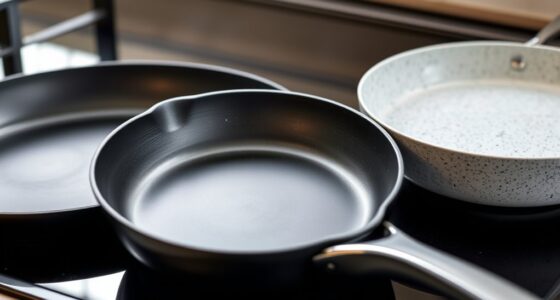

Many myths say using soap on cast iron can ruin your skillet, but that’s false. Modern guidelines show that mild soap won’t damage your seasoned surface, especially if you reapply a thin oil layer afterward. Proper cleaning, rust removal, and seasoning make cast iron highly durable and long-lasting. Don’t worry about soap—understanding how to care for your skillet can keep it cooking perfectly for years. Keep going to learn how to maintain its best condition.

Get kitchen staples and gadgets delivered free — and shop member deals
- Fast, free delivery on millions of items
- Access to Prime Big Deal Days deals on October 6–7
- Prime Video, Amazon Music and more included
Key Takeaways
- Using mild soap on cast iron does not remove seasoning or cause damage if properly rinsed and dried.
- Modern guidelines confirm that soap won’t harm the seasoned surface when used occasionally.
- Cleaning with soap can help remove residue that interferes with seasoning, benefiting skillet maintenance.
- Reapplying a thin layer of oil after washing restores seasoning and protects against rust.
- Proper care involves regular cleaning, seasoning, and rust removal, making soap use safe and effective.
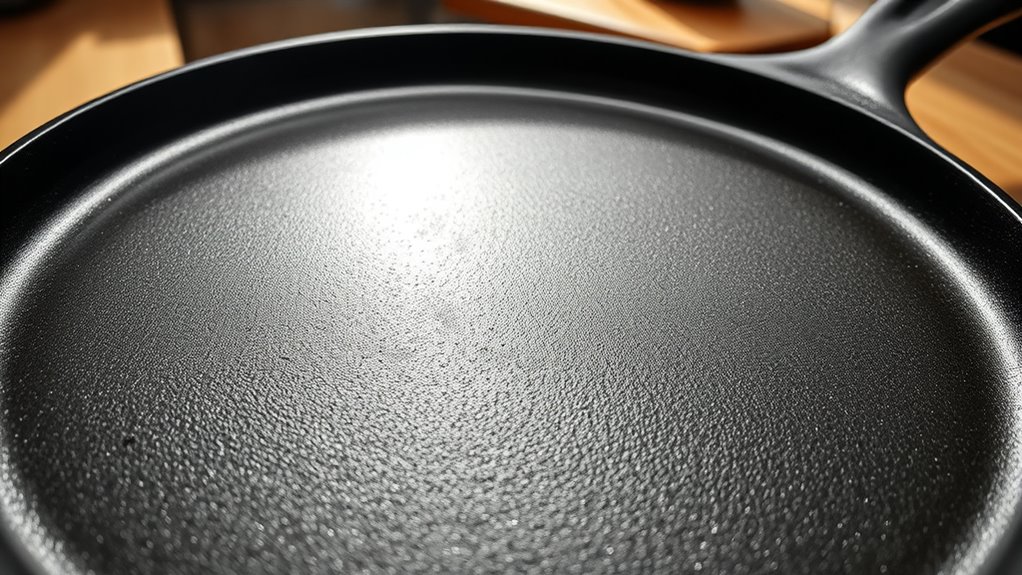
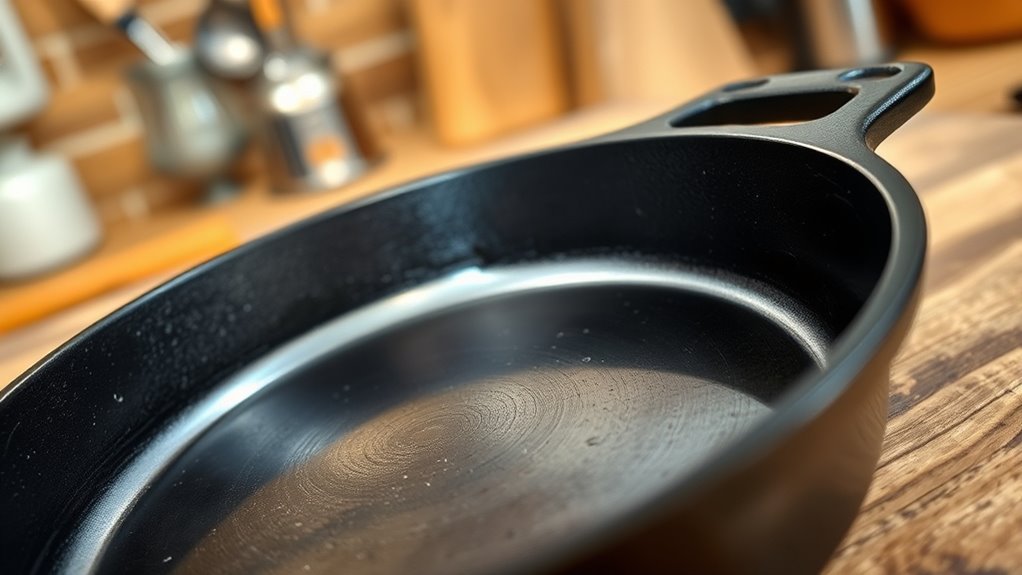
Have you ever heard that cast iron cookware is difficult to care for or easily cracks? It’s a common misconception that cast iron is fragile or high-maintenance, but in reality, it’s one of the most durable and versatile kitchen tools you can own. The truth is, with proper care, your skillet can last a lifetime—and it’s easier than you think to keep it in top shape. One of the best ways to ensure longevity is by maintaining seasoned finishes. These seasoned layers develop over time as you cook with oil, creating a natural non-stick surface and protecting the metal from rust. Many believe that seasoning is complicated, but it’s simply a matter of applying a thin layer of oil and baking the skillet to bond the oil to the surface. This process not only enhances the skillet’s performance but also helps prevent rust, which is a common concern for new cast iron owners. Additionally, understanding the importance of proper seasoning techniques can greatly extend the life of your cookware.
Rust removal is a straightforward process that further dispels the myth of cast iron being delicate. If your skillet does develop rust, don’t panic. You can remove it easily with some steel wool or a gentle abrasive scrub, then re-season the pan to restore its protective finish. This doesn’t mean your skillet is ruined; it just means you need to invest a little time to bring it back to prime condition. Some folks worry that cleaning cast iron with soap will strip away the seasoned finishes, but that’s a myth. Modern guidelines confirm that a small amount of mild soap won’t harm the seasoning, especially if you reapply a thin layer of oil afterward and heat the skillet. Regular cleaning with soap can actually be beneficial, as it removes residue that might interfere with the seasoning process or cause rust.
Contrary to the myth that cast iron is fragile, it’s incredibly resilient when properly cared for. Its ability to develop seasoned finishes through repeated use means it gets better over time. Plus, maintaining seasoning and removing rust when needed ensures your skillet stays in excellent condition. So, don’t shy away from cast iron just because of misconceptions. With a little understanding and basic care—like proper seasoning, rust removal, and occasional cleaning—you’ll find that your cast iron cookware is among the most reliable and long-lasting tools in your kitchen. It’s not only easy to care for once you get the hang of it but also a true investment that can be passed down through generations.
As an affiliate, we earn on qualifying purchases.
Frequently Asked Questions
Can I Cook Acidic Foods in Cast Iron Without Damaging It?
You can cook acidic foods in cast iron, but be mindful of the acidic impact on your skillet’s seasoning. Acidic ingredients like tomatoes might erode the seasoning over time if cooked frequently. To protect your skillet, avoid long cooking times with acids or re-season it regularly. Proper seasoning considerations help maintain a non-stick surface and prevent damage, ensuring your cast iron stays in great shape even when working with acidic dishes.
How Often Should I Reseason My Cast Iron Skillet?
You should reseason your cast iron skillet whenever it starts to look dull or lose its non-stick magic—usually every 6 months or after heavy use. Think of seasoning frequency as your secret weapon for perfect cooking. For maintenance tips, clean with minimal soap, dry thoroughly, and apply a thin coat of oil. This keeps your skillet in tip-top shape, ensuring it’s always ready for culinary greatness!
Is It Safe to Cook With a Rusty Cast Iron Pan?
Cooking with a rusty cast iron pan isn’t safe because rust can introduce bacteria and degrade the cookware. You should perform rust removal by scrubbing the rust away with steel wool or a rust remover, then thoroughly dry and reseason your skillet. This process helps maintain proper seasoning, prevents further rust, and keeps your cast iron in good condition for safe, effective cooking. Always prioritize rust removal and seasoning maintenance.
Does Cast Iron Need Special Cleaning Methods?
You don’t need special cleaning methods for your cast iron, just simple techniques to preserve seasoning. After cooking, rinse with hot water and use a brush or scraper if needed. Avoid soap, which can strip seasoning. Dry thoroughly to prevent rust, then lightly oil the surface to keep it seasoned. Regular maintenance and proper cleaning techniques ensure your skillet stays non-stick and in great shape for years.
Can Cast Iron Pans Be Used on Induction Cooktops?
Yes, you can use cast iron pans on induction cooktops, but don’t expect them to work like magic without some cookware adaptation. Induction compatibility means the pan must be magnetic, so your trusty skillet needs to be cast iron or magnetic steel. It’s a perfect match—just keep in mind, your cast iron might heat unevenly, so you’ll want to master temperature control instead of relying on a fancy induction menu.
As an affiliate, we earn on qualifying purchases.
Conclusion
Now that you’ve cleared up the myths, your cast iron skillet is ready to be your trusty sidekick in the kitchen’s adventure. Think of it as a seasoned warrior, not fragile but resilient, guarding your delicious creations. Don’t let old tales scare you away—embrace the seasoned magic, and watch your cooking flourish. With a little care and understanding, your skillet will stand the test of time, turning every meal into a masterpiece.
As an affiliate, we earn on qualifying purchases.
As an affiliate, we earn on qualifying purchases.
NFL season / tailgating Picks
team gear
As an affiliate, we earn on qualifying purchases.